
Hormones don’t work in isolation, so when one hormone is out of balance, others are almost always involved. That’s why hormonal imbalance symptoms for women can feel widespread, confusing, and sometimes contradictory.
For example, estrogen and progesterone are often labeled as “female hormones,” but they’re only part of a much bigger hormonal conversation. Women also rely on testosterone, cortisol, insulin, thyroid hormones, and gut-derived signals to feel energized, stable, and well.
If you’ve ever wondered what the symptoms of hormonal imbalances are, the answer is rarely just one issue.
As you’ll learn below, hormonal imbalance reflects how your brain, ovaries, adrenals, thyroid, gut, liver, and lifestyle are all interacting as a system—and because so many different parts are involved, symptoms can vary from person to person and also change over time.
You're in ✦
Check your inbox. Day one is on its way.
Your ADHD Hormone & Brain Sync Guide is heading to your inbox now — look for it from Dr. Brighten in the next few minutes.
New Book · Out October 6, 2026
The full system behind the guide
These five days are the doorway. ADHD and Women is the whole map — the ADHD-Hormone Profile and what to do across every hormonal transition.
Pre-Order ADHD and WomenIn this article:
- What Is a Hormonal Imbalance?
- Signs and Symptoms of Hormonal Imbalance in Women
- What Causes Hormonal Imbalance in Women?
- How Do You Know If You Have a Hormonal Imbalance?
- Hormonal Imbalance Symptoms at a Glance
- How Hormone Imbalances Affect Mood, Energy, and Metabolism
- Symptoms of High and Low Estrogen and Progesterone
- Can a Hormonal Imbalance Cause Weight Gain?
- Hormonal Imbalance After Pregnancy: Common Symptoms and Causes
- What Hormones Should Be Tested for Imbalance?
- How to Fix a Hormonal Imbalance Naturally
- Supplements & Natural Remedies I Use for Hormonal Imbalance
- When to See a Doctor for Hormonal Imbalance Symptoms
- Frequently Asked Questions About Hormonal Imbalance
- The Bottom Line
What Is a Hormonal Imbalance?
A hormonal imbalance happens when one or more hormones are too high, too low, or fluctuating in a way that throws off how your body is supposed to function.
Hormones are chemical messengers. They travel through your bloodstream telling your brain, ovaries, thyroid, adrenals, pancreas, gut, and even your immune system what to do and when to do it. When they’re in sync, you feel steady, energized, emotionally resilient, and metabolically flexible.
When they’re not? Things feel off, sometimes in subtle ways, sometimes in loud, disruptive ways.
Here’s the part most people don’t explain clearly: hormones don’t operate alone. There is no such thing as “just a progesterone problem” or “just a cortisol issue.” Your endocrine system works like an interconnected network. If one hormone shifts, others compensate.
For example:
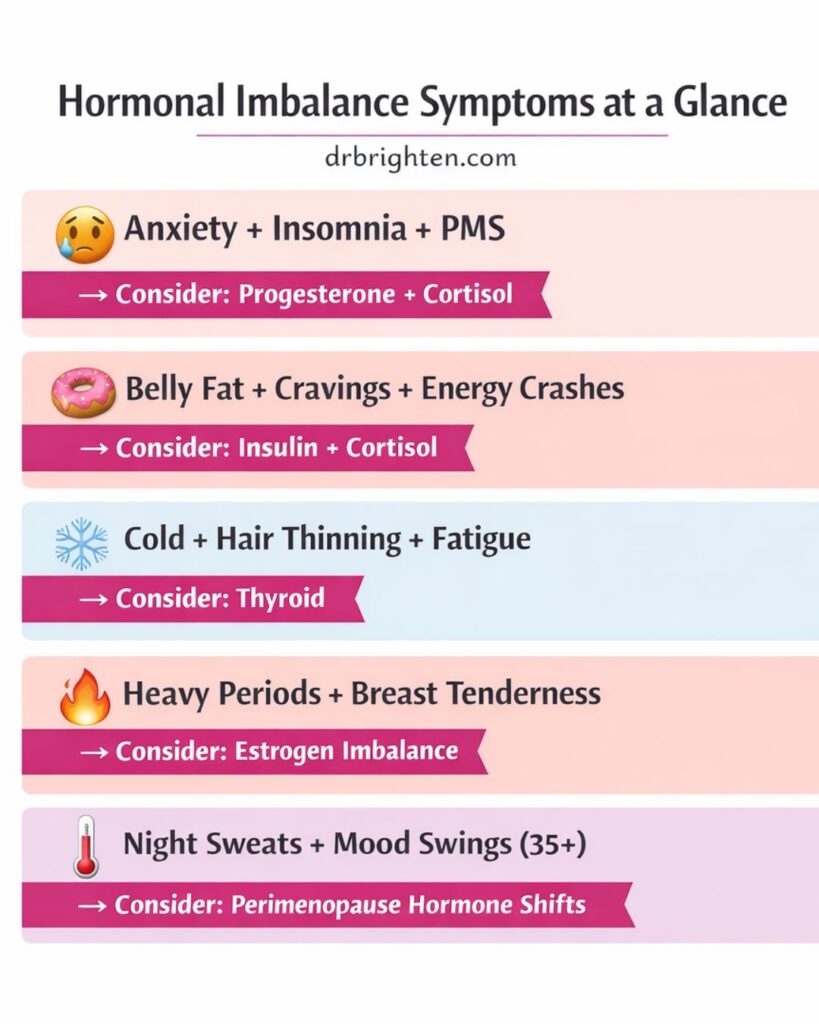
- Chronic stress can elevate cortisol, which can suppress ovulation and lower progesterone.
- Insulin resistance can increase ovarian testosterone production, as we see in PCOS.
- Thyroid dysfunction can alter menstrual cycles and mood.
- Estrogen fluctuations influence serotonin and dopamine signaling in the brain.
That’s why hormonal imbalance symptoms often seem unrelated — weight gain, anxiety, hair thinning, heavy periods, sleep problems — yet they show up together. They’re not random. They’re connected through shared regulatory pathways.
It’s also important to understand that “imbalance” doesn’t always mean a disease state. Sometimes labs fall technically within “normal” ranges, but your hormones are out of rhythm relative to your life stage, stress load, or metabolic health.
Hormonal imbalance can happen:
- During perimenopause and menopause
- After pregnancy
- With chronic stress
- With thyroid or metabolic dysfunction
- With conditions like PCOS or hypothalamic dysfunction
- During periods of under-eating or overtraining
Your body is constantly adapting. Hormones rise and fall naturally throughout the day and across the menstrual cycle. The problem isn’t fluctuation — it’s dysregulation. When the system can’t recalibrate effectively, symptoms start to surface.
Your body is not betraying you. Symptoms are communication. They’re signals that the system needs support — not punishment, restriction, or dismissal.
Signs and Symptoms of Hormonal Imbalance in Women
The most common signs of hormonal imbalances often affect women’s weight, mood, sleep, menstrual cycles, and energy.
These symptoms can come and go or worsen during certain life stages, such as postpartum, perimenopause, or periods of chronic stress.
Among the most common hormonal imbalance symptoms for women are:
- Weight gain or difficulty losing weight (especially belly fat around the abdomen)
- Hair thinning or hair loss
- Irregular, heavy periods, or painful periods
- PMS symptoms or PMDD
- Anxiety or feeling easily overwhelmed
- Depression or low mood
- Insomnia or trouble sleeping
- Low libido
- Cold intolerance (feeling cold when others in your environment don’t)
- Blood sugar swings or sugar cravings
- Brain fog and fatigue
- Joint pain or muscle aches
- Feeling “wired but tired”
What Causes Hormonal Imbalance in Women?
Hormones don’t “randomly” go haywire. They respond to inputs — stress, nutrition, sleep, inflammation, life stage, and environment. When those inputs shift, your hormones adapt. If the stress is short-term, your body recalibrates. If it’s chronic, layered, or intense, dysregulation can set in.
So when we ask what causes hormonal imbalance in women, the real answer is: what is overwhelming the system?
Let’s break down the most common drivers.
1. Chronic Stress (Cortisol Overload)
Your stress response system — the hypothalamic-pituitary-adrenal (HPA) axis — is tightly connected to your reproductive hormones.
When stress becomes chronic:
- Cortisol stays elevated
- Progesterone production can decline
- Ovulation may become inconsistent
- Sleep quality worsens
- Insulin resistance becomes more likely
Biologically, your body prioritizes survival over reproduction. If it perceives stress, it shifts resources away from optimal cycle function.
This is why anxiety, PMS, insomnia, belly fat, and irregular cycles often cluster together.
2. Blood Sugar Dysregulation and Insulin Resistance
Insulin isn’t just about diabetes. It’s a powerful hormone that influences ovarian function, testosterone production, fat storage, and inflammation.
When blood sugar swings frequently — from skipping meals, high refined carb intake, chronic stress, or metabolic dysfunction — insulin levels rise.
Over time, this can:
- Increase ovarian testosterone (common in PCOS)
- Promote abdominal fat storage
- Disrupt ovulation
- Increase inflammatory signaling
Insulin resistance is one of the most underrecognized causes of hormonal imbalance in women — especially in perimenopause.
3. Perimenopause and Natural Hormone Transitions
Not all imbalance is pathology. Some of it is transition.
During perimenopause, ovulation becomes less predictable. Progesterone declines first, while estrogen fluctuates — sometimes high, sometimes low.
This can lead to:
- Heavy or irregular periods
- Anxiety or mood swings
- Sleep disruption
- Breast tenderness
- Weight changes
Postpartum hormone shifts are similar. Estrogen and progesterone drop sharply after birth, while prolactin and cortisol shift upward. Add sleep deprivation, and symptoms can feel intense.
Life stage matters.
4. Thyroid Dysfunction
Your thyroid is the metabolic regulator of the body. Even subtle shifts in thyroid hormone levels can influence:
- Energy
- Hair growth
- Body temperature
- Menstrual cycles
- Mood
- Metabolic rate
Autoimmune thyroid conditions, iodine imbalance, chronic stress, and inflammation can all disrupt thyroid signaling — and in turn, reproductive hormones.
Women are significantly more likely than men to develop thyroid disorders, which makes this a key contributor to hormone symptoms.
5. Gut Dysfunction and Impaired Estrogen Metabolism
Your gut microbiome plays a role in regulating estrogen through what’s called the estrobolome — the collection of bacteria involved in estrogen metabolism.
When gut health is compromised by:
- Antibiotic overuse
- Low fiber intake
- Chronic stress
- Dysbiosis
- Alcohol overconsumption
Estrogen clearance can become inefficient. That can contribute to symptoms associated with relative estrogen excess, such as:
- PMS
- Heavy periods
- Breast tenderness
- Bloating
- Mood swings
The liver and gut work together to metabolize and eliminate hormones. If elimination pathways are sluggish, hormones recirculate.
6. Undereating, Overtraining, or Energy Deficit
Your brain constantly assesses energy availability.
If calorie intake is too low, protein intake is insufficient, or exercise volume is excessive without recovery, the body can suppress reproductive hormones.
This can result in:
- Missed periods
- Low progesterone
- Fatigue
- Hair thinning
- Increased stress hormone output
The female body is especially sensitive to energy deficiency. Hormones interpret scarcity as threat.
7. Inflammation and Autoimmune Conditions
Chronic low-grade inflammation alters hormone receptor sensitivity and signaling pathways.
Autoimmune conditions — which disproportionately affect women — can disrupt thyroid function, ovarian signaling, and cortisol regulation.
Inflammation also affects:
- Insulin sensitivity
- Estrogen metabolism
- Brain neurotransmitter balance
This is why hormonal symptoms often overlap with fatigue, joint pain, or brain fog.
8. Sleep Deprivation
Sleep is when hormone recalibration happens.
Poor or fragmented sleep can:
- Increase cortisol
- Reduce insulin sensitivity
- Alter appetite-regulating hormones (ghrelin and leptin)
- Disrupt ovulation patterns
Even a few nights of restricted sleep can measurably impact metabolic hormones. Chronic sleep loss compounds that effect.
Hormonal imbalance in women rarely has a single cause.
It’s usually layered:
- Stress and poor sleep
- Blood sugar swings and perimenopause
- Thyroid dysfunction and gut issues
- Energy deficit and overtraining
Your hormones are adaptive. When multiple stressors stack up, the system loses flexibility — and symptoms emerge.
How Do You Know If You Have a Hormonal Imbalance?
Let’s make this simple. Instead of spiraling through Google at 11 PM wondering if you “just need more willpower,” let’s walk through this together.
Think of this as a quick self-check quiz. This isn’t for diagnosing yourself — it’s for recognizing patterns your body may be trying to show you.
Grab a pen if you want. Or just keep count in your head.
Section 1: Your Energy & Mood
In the past 3–6 months, have you experienced:
- ☐ Feeling “wired but tired” at night
- ☐ Afternoon crashes or needing caffeine to function
- ☐ Anxiety that feels hormonal, not situational
- ☐ Mood swings around your period
- ☐ Low motivation or loss of your usual spark
- ☐ Feeling overwhelmed more easily than before
If you checked 2 or more, stress hormones, progesterone, thyroid, or estrogen fluctuations may be involved.
Section 2: Your Metabolism & Weight
Have you noticed:
- ☐ Weight gain despite no major diet changes
- ☐ Increased belly fat
- ☐ Strong sugar or carb cravings
- ☐ Feeling shaky or irritable when you skip meals
- ☐ Difficulty losing weight compared to the past
If you checked 2 or more, insulin regulation, cortisol, thyroid function, or perimenopausal shifts may be contributing.
Weight changes are rarely about laziness. They’re often about signaling.
Section 3: Your Sleep
- ☐ Trouble falling asleep
- ☐ Waking at 2–4 AM consistently
- ☐ Night sweats
- ☐ Light, fragmented sleep
- ☐ Feeling exhausted even after 7–8 hours
If this is you, cortisol rhythm, progesterone levels, and estrogen fluctuations are common culprits.
Sleep disruption is one of the earliest hormone signals.
Section 4: Your Cycle
If you menstruate, consider:
- ☐ Heavy periods
- ☐ Short cycles (<24 days)
- ☐ Long cycles (>35 days)
- ☐ PMS that feels worse than it used to
- ☐ Mid-cycle spotting
- ☐ Severe mood changes before your period
- ☐ Increasing cramps
Two or more changes — especially if new — suggest hormone dysregulation.
Your cycle is a monthly report card for your endocrine system.
Section 5: Hair, Skin & Temperature
- ☐ Hair thinning
- ☐ New acne in adulthood
- ☐ Feeling cold when others aren’t
- ☐ Dry skin or brittle nails
- ☐ Increased facial hair growth
These can reflect thyroid imbalance, androgen shifts, or estrogen changes.
If you checked:
- 0–2 boxes → Occasional fluctuation is normal.
- 3–5 boxes → Your hormones may be under stress.
- 6+ boxes → It’s worth investigating further with proper testing.
Hormonal imbalance isn’t defined by one bad week. It’s defined by persistent patterns — especially if symptoms are worsening or clustering.
And remember: labs can fall within “normal” ranges while your body still feels off. Context matters. Timing matters. Life stage matters.
The goal isn’t to self-diagnose. It’s to notice patterns early so you can address root drivers — stress load, blood sugar instability, sleep disruption, nutrient depletion, thyroid dysfunction, or natural hormone transitions like perimenopause.
Hormonal Imbalance Symptoms at a Glance
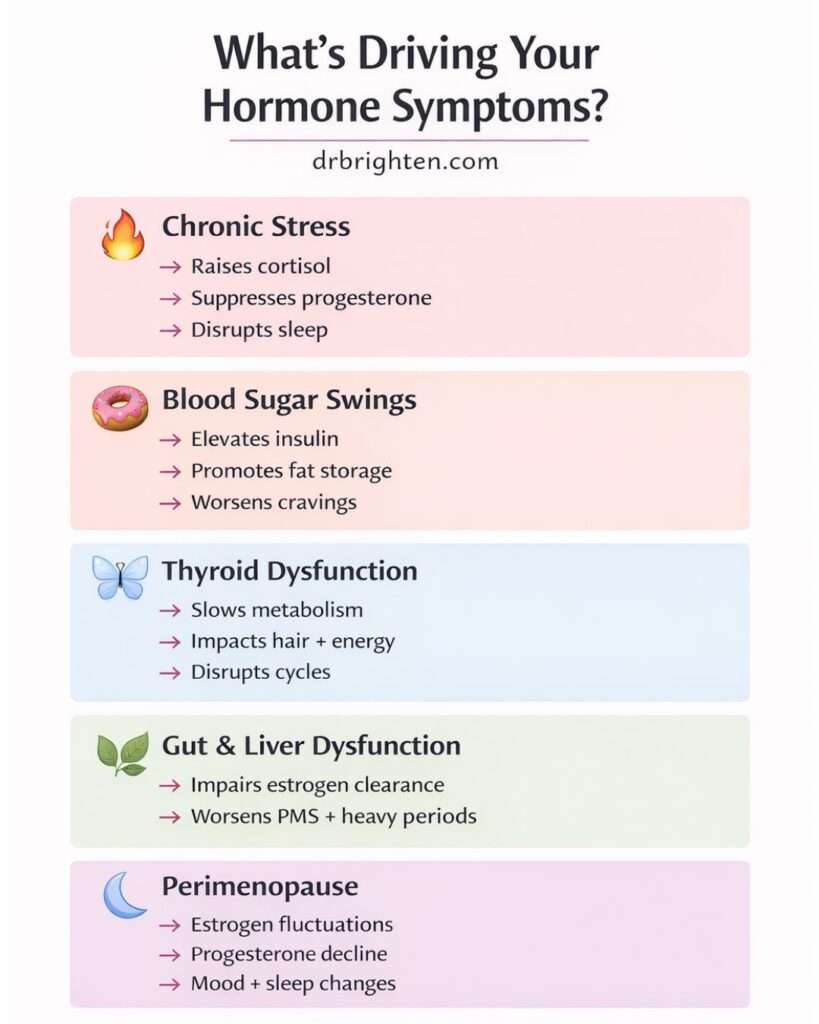
Hormones don’t create random symptoms. They create clusters. When you zoom out and look at what’s showing up together, you can often see which systems need support.
Below is a simplified at-a-glance guide to common symptom patterns. This is not a diagnosis, it’s a starting point for deeper evaluation and appropriate testing.
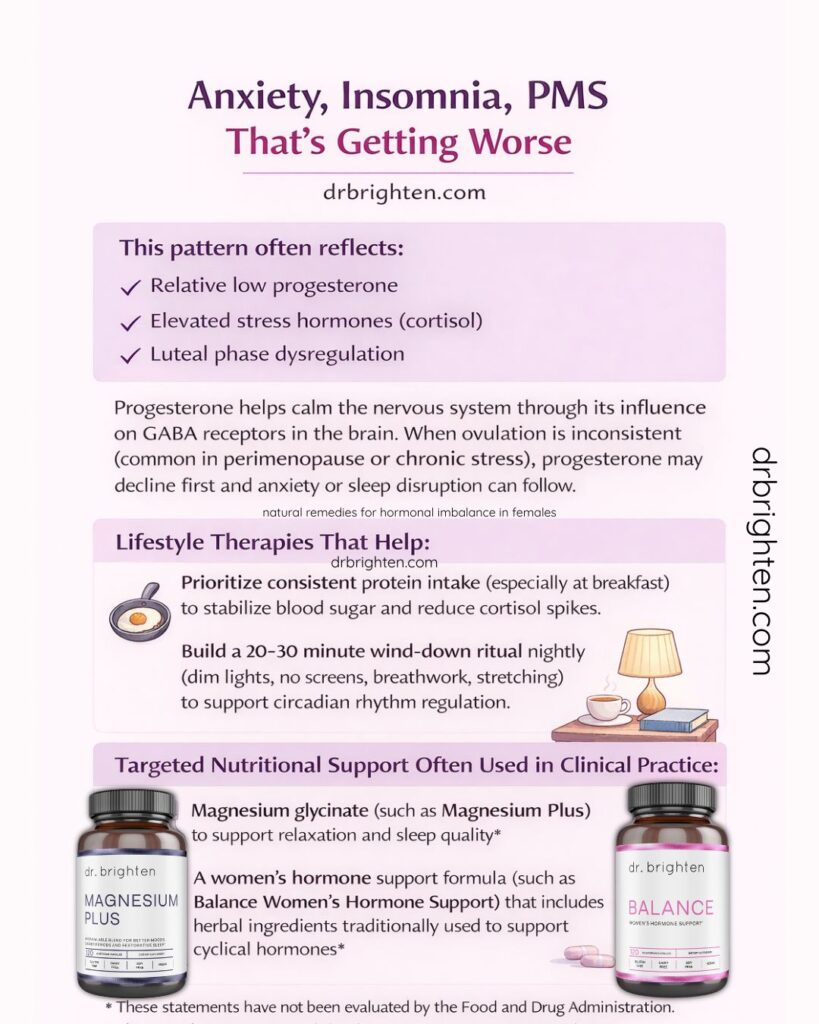
Anxiety, Insomnia, PMS That’s Getting Worse
This pattern often reflects:
- Relative low progesterone
- Elevated stress hormones (cortisol)
- Luteal phase dysregulation
Progesterone helps calm the nervous system through its influence on GABA receptors in the brain. When ovulation is inconsistent (common in perimenopause or chronic stress), progesterone may decline first and anxiety or sleep disruption can follow.
Lifestyle therapies that help:
- Prioritize consistent protein intake (especially at breakfast) to stabilize blood sugar and reduce cortisol spikes.
- Build a 20–30 minute wind-down ritual nightly (dim lights, no screens, breathwork, stretching) to support circadian rhythm regulation.
Targeted nutritional support often used in clinical practice:
- Magnesium glycinate (such as Magnesium Plus) to support relaxation and sleep quality*
A women’s hormone support formula (such as Balance Women’s Hormone Support) that includes herbal ingredients traditionally used to support cyclical hormones*
Belly Fat (visceral fat), Cravings, Afternoon Energy Crashes
This pattern often reflects:
- Blood sugar dysregulation
- Insulin resistance
- Elevated cortisol
When insulin remains elevated, the body is more likely to store energy as fat rather than use it efficiently. Cortisol compounds this by encouraging abdominal fat storage and increasing cravings for quick carbohydrates.
Lifestyle therapies that help:
- Eat 30+ grams of protein within the first hour of waking to blunt cortisol and stabilize glucose.
- Add 10–15 minutes of walking after meals to improve insulin sensitivity.
Targeted nutritional support sometimes considered:
- Omega-3 fatty acids (such as Omega Plus) to support healthy inflammatory balance and metabolic signaling*
- Myo-inositol is a powerful blood sugar support supplement (such as Myo-Inositol Plus), especially when coupled with nutrients like chromium*
Cold Intolerance, Hair Thinning, Fatigue
This pattern may reflect:
- Thyroid dysfunction
- Nutrient depletion
- Chronic stress impact on thyroid signaling
Thyroid hormones regulate metabolic rate, hair growth cycles, and body temperature. Even subtle dysfunction can create noticeable symptoms.
Lifestyle therapies that help:
- Ensure adequate dietary protein and iodine-containing foods (when appropriate and medically supervised).
- Reduce high-intensity training during periods of fatigue to prevent additional stress load.
Targeted nutritional support often used for thyroid support:
- A thyroid-supportive formula (such as Thyroid Support) designed to provide key micronutrients involved in thyroid hormone production and conversion*
- Adaptogenic support (such as Adrenal Support) to help the body adapt to stress and support endocrine balance*
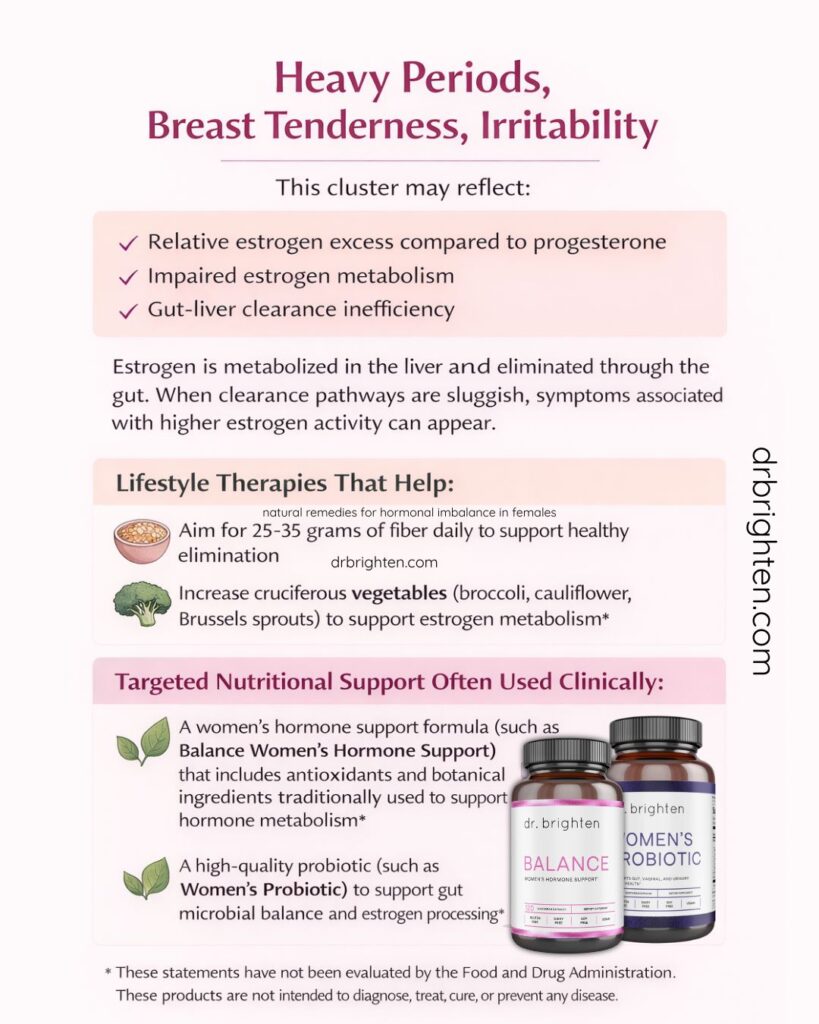
Heavy Periods, Breast Tenderness, Irritability
This cluster may reflect:
- Relative estrogen excess compared to progesterone
- Impaired estrogen metabolism
- Gut-liver clearance inefficiency
Estrogen is metabolized in the liver and eliminated through the gut. When clearance pathways are sluggish, symptoms associated with higher estrogen activity can appear.
Lifestyle therapies that help:
- Aim for 25–35 grams of fiber daily to support healthy elimination.
- Increase cruciferous vegetables (broccoli, cauliflower, Brussels sprouts) to support estrogen metabolism.
Targeted nutritional support often used clinically:
- A women’s hormone support formula (such as Balance Women’s Hormone Support) that includes antioxidants and botanical ingredients traditionally used to support hormone metabolism*
- A high-quality probiotic (such as Women’s Probiotic) to support gut microbial balance and estrogen processing*
Night Sweats, Sleep Disruption, Mood Changes (Especially 35+)
This pattern often reflects:
- Perimenopausal estrogen fluctuation
- Declining progesterone
- Increased stress sensitivity
During perimenopause, hormone variability increases before hormones decline. That fluctuation itself can drive symptoms.
Lifestyle therapies that help:
- Maintain consistent sleep and wake times to support circadian stability.
- Strength train 2–4 times weekly to improve insulin sensitivity and hormone resilience.
Targeted nutritional support sometimes used:
- Adaptogenic herbs that target nervous system relaxation (such as Adrenal Support) for sleep and stress system support*
- Saffron for mood, hot flash, and sleep support (such as Radiant Mind)*
How Hormone Imbalances Affect Mood, Energy, and Metabolism
How you feel is often a reflection of which hormones are supporting you, and which ones are struggling. While hormones are complex and have many different roles and effects, here are the main ways that each affects you:
Progesterone is calming and protective. So when stress is high, progesterone is often the first hormone to decline, which explains why anxiety, poor sleep, and PMS symptoms are so common with hormonal imbalance.
Estrogen supports mood, energy, and healthy cycles, but too much or too little can cause problems. Excess estrogen (estrogen dominance) may contribute to heavy periods, breast tenderness, headaches, and weight gain, while low estrogen can lead to low mood, hot flashes, and vaginal dryness.
Testosterone supports motivation, muscle strength, confidence, and libido in women. When testosterone levels are too low, fatigue, low sex drive, and reduced resilience are common, while high testosterone can contribute to acne, hair growth, and cycle irregularities.
Cortisol, your primary stress hormone, helps regulate blood sugar and energy throughout the day. Stress can cause a hormone imbalance because chronically elevated cortisol disrupts your sleep, worsens anxiety, promotes cravings and abdominal weight gain, and suppresses progesterone.
Thyroid hormones act as the body’s metabolic “thermostat.” When thyroid function is low (hypothyroidism), women can experience fatigue, cold intolerance, weight gain, hair thinning, and constipation, even if their diet and exercise are unchanged.
Insulin controls how your body uses glucose (from carbohydrates) for energy. When insulin is dysregulated, blood sugar swings, cravings, fatigue, and weight gain can become more likely.
Symptoms of High and Low Estrogen and Progesterone
Because hormones work as a system, restoring balance usually requires a whole-body approach. Still, patterns in sex hormones can point to where support is most needed. Below are symptoms that tend to occur due to specific imbalances:
High Estrogen Symptoms:
- Fibrocystic or tender breasts
- Heavy or irregular periods
- Headaches or migraines
- Mood swings and irritability
- Weight gain, especially in the hips and thighs
Low Estrogen Symptoms:
- Night sweats or hot flashes
- Vaginal dryness
- Lower libido
- Depression or low motivation
- Insomnia
- Hair thinning or loss
Low Progesterone Symptoms:
- Anxiety
- PMS symptoms and a higher chance of PMDD (premenstrual dysphoric disorder, a severe form of PMS marked by mood and anxiety symptoms)
- Insomnia
- Menstrual cramps
- Mid-cycle spotting
- Heavy or irregular periods
Can a Hormonal Imbalance Cause Weight Gain?
We’re often told that weight gain is simply about calories or willpower, but hormonal imbalances causing weight gain are far more complex (and common) than most women are led to believe. For example, about 50% of women gain weight[1] during perimenopause, with an average gain of 1.5 pounds (0.7 kg) per year.
For example:
- Elevated cortisol encourages fat storage, especially around the abdomen, and it can also mess with your appetite and food preferences
- Insulin resistance makes it easier for the body to store glucose as fat instead of using it for energy
- Estrogen dominance can increase fat storage in the hips and thighs and contribute to fluid retention
- Thyroid dysfunction slows one’s metabolism and reduces calorie burn, sometimes while also increasing fatigue and motivation
- Low progesterone further compounds the issue by increasing stress sensitivity, sleep disruption, and sometimes cravings
This layered hormone disruption explains why hormonal imbalance can cause weight gain even when your diet and exercise have not changed, and why, in many cases, sustainable weight loss requires hormone support rather than simply restriction.
Related: Why Hormonal Imbalance Can Make Weight Loss Difficult
Hormonal Imbalance After Pregnancy: Common Symptoms and Causes
After birth, estrogen and progesterone drop rapidly, while cortisol and prolactin rise. Add sleep deprivation, nutrient depletion, and stress, and it’s no surprise that many women experience hormonal imbalances after pregnancy.
If you’re postpartum and not feeling like yourself, it may be because your hormones are still adjusting.
Lingering symptoms in this phase can include:
- Anxiety
- Hair loss
- Fatigue
- Weight retention
- Mood changes
If this sounds familiar, talk to your healthcare provider about what you can do to help manage the issues you’re dealing with—such as replenishing depleted nutrients, supporting stress hormones and thyroid function, stabilizing blood sugar, and improving sleep and recovery as much as possible.
What Hormones Should Be Tested for Imbalance?
If you suspect an imbalance, proper testing is step number one because your results can help to guide how you manage your symptoms and get the best results.
Hormones checked for imbalances can include:
- Estrogen (estradiol, estrone)
- Progesterone
- Testosterone
- Cortisol
- Thyroid hormones (TSH, free T3, free T4)
- Insulin and blood sugar markers
An imbalance hormones test, such as blood, saliva, or urine (like DUTCH testing), helps identify patterns rather than guessing. This allows for personalized hormonal imbalance treatment for women, rather than one-size-fits-all solutions.
How to Fix a Hormonal Imbalance Naturally
Hormone imbalances, such as too much of one and too little of another, are not “cured” so much as supported and rebalanced.
When I work with patients on balancing hormones, I don’t start with quick fixes. I start with the foundations, because hormones respond best when the body feels safe, nourished, and supported. Before targeting any single hormone, focus on stabilizing blood sugar, calming the stress response, and supporting detoxification pathways.
1. Nutrition (for Blood Sugar Balance)
Nutrition is one of the most powerful tools for hormone health. The best foods for hormonal imbalance are those that support blood sugar stability, liver detoxification, and gut health, all of which directly influence estrogen, progesterone, cortisol, and insulin.
What to prioritize:
- Quality protein at every meal, because protein stabilizes blood sugar and cortisol and provides the building blocks for hormone production. Start the day with at least 30 grams of protein and aim for around 100 grams per day, adjusted for body size and activity.
- Healthy fats, including olive oil, avocado, nuts, seeds, and omega-3–rich fish, which are essential for hormone signaling and inflammation control.
- Fiber-rich vegetables and fruits, which help escort excess hormones out of the body. A diet high in polyphenols has been shown to have a protective role against weight gain[2] (such as during perimenopause) and chronic diseases.
- Cruciferous vegetables like broccoli, cauliflower, cabbage, and Brussels sprouts, which support estrogen metabolism and reduce estrogen dominance.
Be careful about under-eating, skipping meals, or cycling between restriction and overeating, because these patterns stress the nervous system and can worsen hormonal issues. In fact, the cyclic pattern of weight loss and regain (termed “yoyo dieting”) predisposes people to obesity and metabolic comorbidities[3] in the long run.
Related:
How to Fix a Hormone Imbalance – 5 Hormones & Foods to Support Them
How to Balance Hormones with a Holistic Detox
2. Stress and Adrenal Support (to Calm the Nervous System)
Chronic stress is one of the most common drivers of hormone imbalances, as elevated cortisol pulls resources away from progesterone, disrupts thyroid signaling, and worsens insulin resistance.
This is why anxiety, poor sleep, PMS, and fatigue so often show up together. And until the stress response is addressed, hormone symptoms tend to persist.
Supporting the adrenals can include:
- Prioritizing sleep and consistent bedtimes
- Eating regularly to prevent blood sugar crashes
- Reducing high-intensity exercise during times of stress
- Using gentle nervous system regulation, like walking, breathwork, time outdoors, or restorative movement
- Considering taking magnesium for anxiety (it also has benefits for general hormonal health[4], too)
3. Gut and Liver Health (So Hormones Can Exit the Body)
The gut and liver are central to hormone balance. The gut helps regulate estrogen activity through the microbiome, while the liver breaks down and clears excess hormones.
When digestion is sluggish or the liver is overburdened, hormones recirculate instead of leaving the body, which worsens symptoms like PMS, heavy periods, bloating, and mood swings.
Focus on:
- Adequate fiber (25+ grams/day) for daily elimination
- Supporting stomach acid and bile flow for proper digestion using bitter foods and herbs
- Nourishing the microbiome with probiotics or probiotic-supportive foods
- Reducing alcohol and ultra-processed foods that strain liver detoxification
4. Cycle-Specific Support (to Help Regulate the Menstrual Cycle)
Hormonal needs change throughout the cycle. When the goal is to help balance hormones before your period, I recommend working on calming inflammation, stabilizing blood sugar, and supporting progesterone during the luteal phase. Supporting the luteal phase properly often leads to fewer PMS symptoms and improved cycle resilience.
That often means:
- Increasing magnesium (such as magnesium glycinate, found in Magnesium Plus) for relaxation, sleep, and cramp relief
- Ensuring adequate B vitamins (such as with a B complex, like B-Active Plus) for neurotransmitter and hormone metabolism
- Managing stress and avoiding overtraining
- Eating consistent, nourishing meals to prevent blood sugar dips
- Prioritizing anti-inflammatory foods, such as leafy greens, berries, turmeric, and ginger
Supplements & Natural Remedies I Use for Hormonal Imbalance
Once the foundations are in place, I layer in targeted support. Evidence-based natural remedies for hormonal imbalance in females that I often recommend trying include:
- Magnesium (like Magnesium Plus) to support the nervous system, sleep quality[5], and PMS
- Omega-3 fatty acids (such as Omega Plus) to help reduce inflammation and support sex hormone signaling[6]
- B vitamins for stress resilience and hormone metabolism, which are found in Balance Women’s Hormone Support, along with other supportive antioxidants and botanicals, as well as B-Active Plus
- Adaptogenic herbs, such as ashwagandha (found in Adrenal Calm), to support the stress response, support the endocrine system[7] (including the thyroid), and help with restful sleep
- Probiotics, such as my Women’s Probiotic, to aid in estrogen metabolism[8] and gut health
These tools work best when they support a body that is already being nourished, rested, and regulated, not when they are used as standalone fixes.
When to See a Doctor for Hormonal Imbalance Symptoms
Let’s be clear: not every hormone fluctuation requires a full medical workup. Hormones shift with stress, travel, illness, and life transitions. That’s normal biology.
But there is a difference between normal fluctuation and persistent disruption.
If your symptoms are ongoing, worsening, or interfering with your ability to function, that’s your cue to bring in medical support.
Here’s when I want you to stop powering through and schedule an appointment.
Seek Medical Care Promptly If You Have:
- Soaking through a pad or tampon every hour
- Bleeding longer than 8–10 days
- Severe pelvic pain that disrupts daily life
- Missing three or more periods in a row (not pregnant)
- Sudden, rapid hair loss
- Unexplained weight gain or weight loss
- Debilitating fatigue that doesn’t improve with rest
- New-onset severe depression or intrusive thoughts
- Chest pain, shortness of breath, or significant heart palpitations
These symptoms may reflect thyroid disease, anemia, PCOS, perimenopause complications, autoimmune conditions, or other medical issues that require proper evaluation.
Hormones are powerful. When they shift dramatically, they deserve attention.
Also Consider Testing If:
- PMS is worsening year over year
- Anxiety or insomnia feels cyclical or hormonally triggered
- You feel like a different person in the luteal phase
- Weight gain is resistant to appropriate nutrition and exercise
- You suspect perimenopause but have been told “you’re too young”
- Postpartum symptoms persist beyond the expected adjustment window
Too many women are told their labs are “normal” without context or deeper investigation. A single TSH test is not a complete thyroid evaluation. A random progesterone test outside the luteal phase is not informative.
Timing and interpretation matter.
Who Should You See?
Depending on your symptoms, appropriate providers may include:
- A primary care physician
- An OB-GYN
- An endocrinologist
- A menopause specialist
- A clinician trained in hormone and metabolic health
The goal is not to chase diagnoses. It’s to rule out underlying conditions and identify root contributors.
Frequently Asked Questions About Hormonal Imbalance
Hormonal imbalance symptoms for women can include weight gain, irregular periods, PMS or PMDD, anxiety, depression, fatigue, hair loss, low libido, sleep problems, and blood sugar swings. Because hormones affect nearly every part of the body, symptoms are often widespread rather than isolated.
Common hormones tested for imbalances include estrogen, progesterone, testosterone, cortisol, insulin, and thyroid hormones (TSH, free T3, free T4). In some cases, additional markers like DHEA or prolactin might also be assessed. The right tests for you will depend on your symptoms and health history.
Yes. Hormonal imbalance causing weight gain is common. Elevated cortisol, insulin resistance, estrogen dominance, low progesterone, and thyroid dysfunction can all slow metabolism and promote fat storage, even when you’re eating a mostly healthy diet.
If you’re hoping to treat a hormonal imbalance without immediately turning to medication, start with foundational steps: stabilizing blood sugar, managing stress, improving sleep, supporting gut and liver health, and eating the best food for hormonal imbalance, such as protein-rich meals, healthy fats, and fiber-rich vegetables.
Focus on supporting progesterone and calming the nervous system. This often includes reducing stress, prioritizing sleep, increasing your intake of magnesium and B vitamins, eating regularly to support blood sugar, and avoiding excessive caffeine and sugar during the luteal phase.
Yes. Hormonal imbalance and depression are closely linked. Fluctuations in estrogen and progesterone affect serotonin, GABA, and cortisol, all of which influence your mood. Anxiety, irritability, low motivation, and emotional sensitivity are common signs that hormones and the nervous system need extra support.
Absolutely. Hormonal imbalance after pregnancy is very common due to the sudden drop in estrogen and progesterone, combined with sleep deprivation, stress, and nutrient depletion. Postpartum hormone shifts can contribute to anxiety, mood changes, fatigue, hair loss, and difficulty losing weight.
There is no single timeline. Some women feel improvements within weeks, while others need several months of consistent support. Sustainable hormonal imbalance treatment for women focuses on restoring balance gradually rather than forcing quick fixes.
Many wonder how to cure hormonal imbalance in females, but hormones are best thought of as something to rebalance, not cure. When the underlying causes are addressed, such as stress, inflammation, nutrient deficiencies, or gut issues, hormone balance often improves on its own.
The Bottom Line
- Because hormones communicate with nearly every system in the body, hormonal imbalances can cause weight gain, mood changes, digestive symptoms, and cycle disruptions that often appear together.
- If you recognize yourself in these signs, your body is communicating, not failing.
- True healing comes from addressing the whole system, not just one hormone. With the right testing, nourishment, and support, balance is possible, often without needing to take drastic measures.
Get Your FREE Hormone Starter Kit with 7 Day Meal Plan & Recipe Guide, designed to help you reset your metabolism and feel like you again. You’ll get:
✔️ Anti-inflammatory meal plan
✔️ Daily hormone-balancing habits and tips
*These statements have not been evaluated by the Food and Drug Administration. These products are not intended to diagnose, treat, cure, or prevent any disease.
References
- https://pmc.ncbi.nlm.nih.gov/articles/PMC6947726/ ↩︎
- https://pmc.ncbi.nlm.nih.gov/articles/PMC9774775/ ↩︎
- https://pubmed.ncbi.nlm.nih.gov/39339770/ ↩︎
- https://pmc.ncbi.nlm.nih.gov/articles/PMC11013220/ ↩︎
- https://pubmed.ncbi.nlm.nih.gov/35184264/ ↩︎
- https://pubmed.ncbi.nlm.nih.gov/31416488/ ↩︎
- https://pubmed.ncbi.nlm.nih.gov/38003702/ ↩︎
- https://pubmed.ncbi.nlm.nih.gov/38742994/ ↩︎
About The Author