

Early research suggests saffron may help support some ADHD-related symptoms, including focus, emotional regulation, sleep, and irritability. It may be especially relevant for women whose ADHD symptoms worsen before their period because PMDD and PMS can also affect mood, stress resilience, and neurotransmitter balance.
Most studies use about 28–30 mg daily of a standardized saffron extract, often taken in the morning or split into two doses. Results are usually evaluated after 6–8 weeks, or about two menstrual cycles.
If your ADHD gets noticeably worse before your period, saffron may offer support for both focus and mood. This article looks specifically at the overlap between ADHD and PMDD, what the research says about saffron, and how to use it for dose, timing, and supplement quality.
In this article, we’ll explore:
- The connection between ADHD and PMDD
- Whether saffron for ADHD is supported by research
- How saffron supports mood and neurotransmitters
- The role of saffron for PMS and PMDD symptoms
- How much saffron for ADHD may be helpful
- The best time to take saffron for ADHD
- What to look for in a high-quality saffron supplement
You're in ✦
Check your inbox. Day one is on its way.
Your ADHD Hormone & Brain Sync Guide is heading to your inbox now — look for it from Dr. Brighten in the next few minutes.
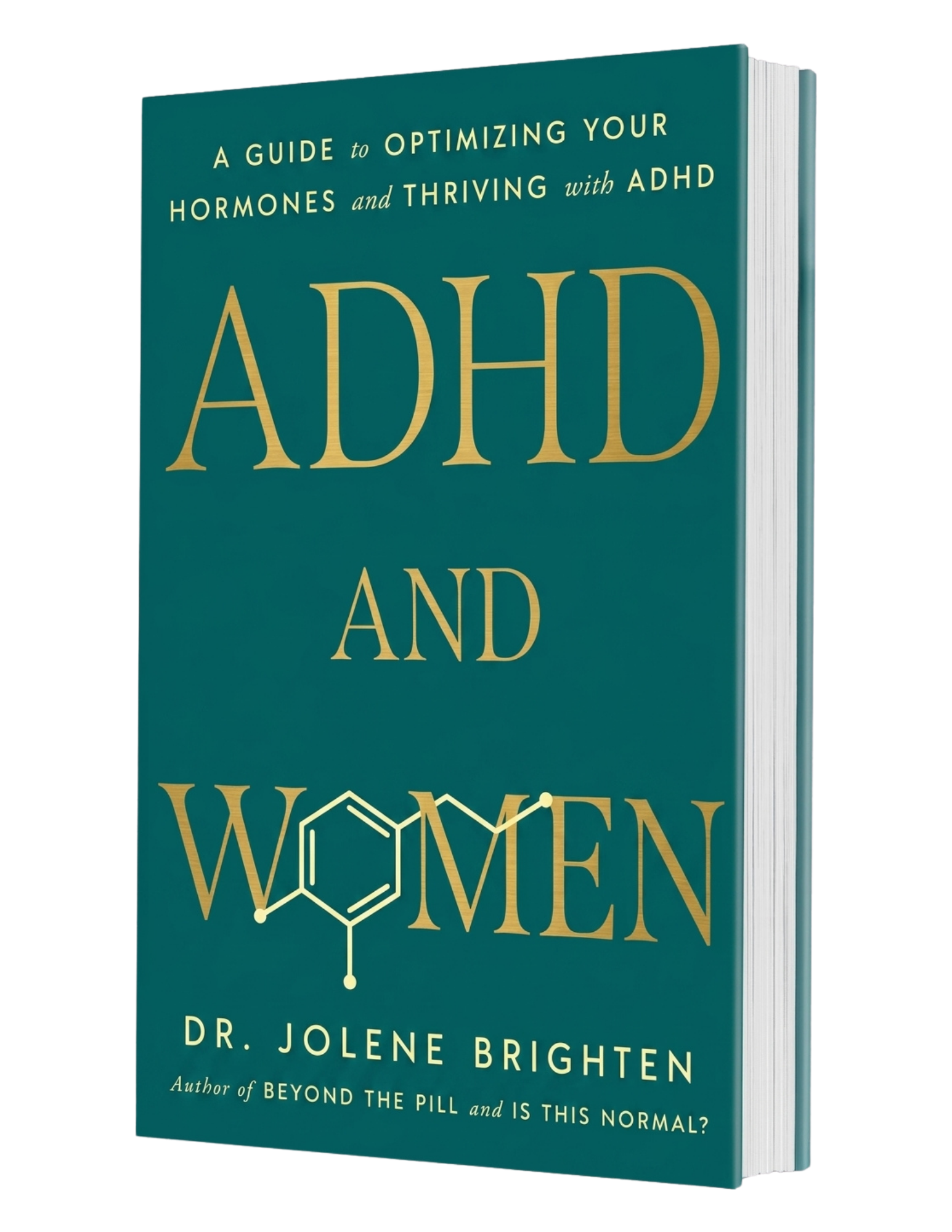
New Book · Out October 6, 2026
The full system behind the guide
These five days are the doorway. ADHD and Women is the whole map — the ADHD-Hormone Profile and what to do across every hormonal transition.
Pre-Order ADHD and WomenThe ADHD and PMDD Connection
Research shows that PMDD is much more common[1] among people with ADHD.
In one study, PMDD affected more than 30% of women with a clinical ADHD diagnosis and 41% of those with high ADHD symptoms, compared with just 9.8% of people without ADHD. The risk was even higher (4.5 times greater) among those with ADHD who also had anxiety or depression.
Compared to men and boys, it’s common for women to be diagnosed with ADHD later[2] in life because symptoms can change across the menstrual cycle. For example, estrogen has the job of helping to regulate dopamine, the neurotransmitter most closely linked to ADHD symptoms.
When estrogen levels drop during the luteal phase (the 2nd half of the cycle), dopamine signaling also drops. This can lead to:
- Worsened focus
- Increased impulsivity
- Emotional sensitivity
- Mood instability
- Increased anxiety
Among women with PMDD, serotonin balance is also disrupted by hormonal shifts. And that combination, changes in both serotonin and dopamine, can amplify both mood symptoms and ADHD-related cognitive difficulties[3].
When serotonin levels fluctuate, women may experience symptoms such as irritability, anxiety, low mood, and emotional sensitivity. At the same time, reduced dopamine signaling can make it harder to concentrate, stay motivated, or regulate impulses.
This overlap helps explain why many women with ADHD notice that their symptoms worsen dramatically during the luteal phase, when hormone levels begin to drop.
But once you know about the underlying causes of ADHD and PMDDM and how they overlap, it can open new doors for support.
Related:
ADHD and PMDD Hormone Connection
Why ADHD Symptoms Get Worse Before Your Period
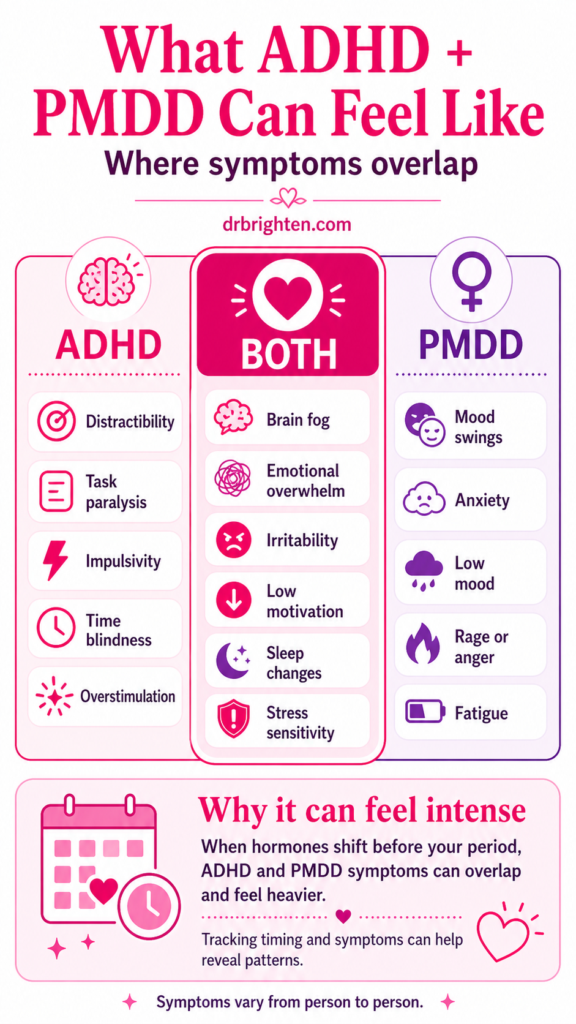
Does this pattern sound familiar? Your ADHD symptoms intensify in the days leading up to your period, such as tasks that normally feel manageable suddenly requiring far more effort, focus becoming harder to maintain, and emotional regulation feeling nearly impossible.
This pattern isn’t imagined. It’s driven by hormone shifts that directly influence the brain.
During the first half of the menstrual cycle, estrogen levels gradually rise. Estrogen helps support dopamine activity in the brain, which is critical for attention, motivation, and executive function. For women with ADHD, this hormonal support can temporarily improve focus and mental clarity.
However, things change during the luteal phase, the two weeks before menstruation.
During this phase:
- Estrogen begins to decline
- Progesterone rises and then drops
- Serotonin activity may decrease
- Dopamine signaling becomes less efficient
For women with ADHD, this combination can significantly worsen symptoms such as:
- Brain fog
- Distractibility
- Emotional sensitivity
- Low motivation
- Increased impulsivity
For women with PMDD, the brain also appears to have an increased sensitivity to normal hormonal fluctuations. This means the same hormone shifts that cause mild PMS in some women can trigger severe mood symptoms, anxiety, and irritability in others.
To make matters worse, when ADHD and PMDD overlap, these neurological and hormonal changes can amplify each other. The drop in dopamine can worsen attention problems, while serotonin disruptions can intensify mood swings and emotional overwhelm.
Is Saffron Good for ADHD?
You might already know that saffron is helpful for anxiety and depression, but is saffron good for ADHD, too? Based on early research, it may be a helpful option for some people.
Saffron contains dozens of bioactive compounds[4], including some of the most noteworthy ones called crocin and safranal, that influence key brain pathways involved in mood, attention, and stress regulation.
Studies that have focused on the benefits of saffron for ADHD[5] have found that saffron extract can support:
- Focus and concentration
- Emotional regulation, meaning fewer mood swings and fewer highs and lows
- Reduced hyperactivity
- Improved sleep
- Reduced impulsivity
- Reduced anxiety symptoms
- Support for mood stability, specifically during hormonal shifts
In a small clinical study[6], saffron was associated with ADHD symptom improvements comparable to methylphenidate over the study period, though the evidence is still early and saffron should not replace prescribed treatment without clinician guidance.
Related:
Best Saffron Supplement for Mood, Anxiety, ADHD & PMS
ADHD and Anxiety: How to Tell the Difference and What to Do About It
How Does Saffron Help With ADHD Symptoms?
Saffron appears to work through several mechanisms that directly influence ADHD symptoms[7].
Saffron may support dopamine signaling
Dopamine is the brain chemical most strongly associated with motivation, focus, and reward processing. Saffron compounds are thought to help regulate dopamine activity, which helps explain some of the benefits of saffron for ADHD.
Saffron may support serotonin balance
Serotonin is involved in mood regulation, emotional stability, and impulse control.
Because many women with ADHD also experience anxiety or depression, saffron’s serotonin-supporting effects are useful for helping to stabilize moods and improve resilience and coping skills.
Saffron may help calm oxidative stress and inflammation
Inflammation in the brain can interfere with neurotransmitter production and cognitive performance. Crocin, one of saffron’s key compounds, acts as a powerful antioxidant that helps calm neuroinflammation, thereby supporting overall cognitive function and mental health.
Saffron may support sleep quality
Sleep issues are extremely common among people with ADHD.
Some studies suggest saffron can improve sleep onset (the time it takes to fall asleep) and overall sleep quality, which can, in turn, lead to improved attention and mood regulation (such as less irritability and distractability).
Related:
Saffron and Depression: How This Natural Mood Booster Compares to Antidepressants
Benefits of Saffron for PMS and PMDD
As mentioned above, hormonal shifts during the menstrual cycle impact both serotonin and dopamine activity .Some clinicians consider saffron as a complementary option for PMS and PMDD symptom support, depending on the individual case. As a naturopathic physician, who also struggles with PMDD, this is something that I have found to be helpful.
Research suggests saffron may help support some PMDD-related symptoms, such as:
- Mood swings
- Irritability
- Anxiety and depression[8]
- Food cravings
- Emotional overwhelm
- Trouble sleeping
Beyond mood changes, PMDD often includes symptoms such as severe fatigue, brain fog, irritability, and heightened stress sensitivity during the luteal phase. These symptoms are believed to stem from the brain’s sensitivity to normal hormonal fluctuations, particularly the drop in estrogen and progesterone before menstruation.
Saffron may help buffer this shift because its compounds support serotonin balance and help regulate the stress response.
Saffron’s compounds appear to influence neurotransmitter and inflammatory pathways involved in mood and cognition, which may help explain its effects on emotional and cognitive symptoms.
Related: Saffron and PMDD: Natural Relief for Mood Swings, Anxiety & PMS
For some women, it may. Studies using standardized saffron extract have found improvements in mood-related PMS and PMDD symptoms, including irritability, anxiety, emotional overwhelm, and sleep changes across one to two menstrual cycles. This may be especially relevant for women whose PMDD symptoms overlap with ADHD-related changes in focus, motivation, and emotional regulation during the luteal phase.
What Studies Show About Saffron for PMDD:
In studies[9] that have tested the effects of saffron on PMDD and PMS symptoms, women taking 30 mg of saffron daily experienced significant improvements[10] in mood and emotional symptoms across two menstrual cycles.
Clinical trials[11] have also shown that saffron can help relieve mild to moderate depression[12] and anxiety (two common symptoms of PMDD), but on average, with less risk for side effects. Some clinical trials in people with mild to moderate depression found saffron performed similarly to certain antidepressants[13] on symptom measures, though the evidence is limited and it is not a replacement for prescribed care.
Additionally, saffron is generally beneficial for women’s reproductive health. One study[14] found saffron could help manage dysmenorrhoea, reduce menstrual pain, regulate hormonal fluctuations, and improve overall menstrual health.
Related: Guide to Treating PMDD (Premenstrual Dysphoric Disorder)
Other Helpful Supplements to Combine With Saffron
Saffron isn’t the only nutrient that I recommend for women dealing with ADHD or PMDD symptoms.
Others that pair well with saffron, which can help with both ADHD and PMDD, include magnesium (such as Magnesium Plus), Rhodiola, zinc, omega-3s, and B vitamins (like B Active Plus), among others.
Magnesium, for instance, is an important mineral for nervous system regulation and neurotransmitter balance. Studies show magnesium often reduces PMS symptoms such as:
- Anxiety
- Mood swings
- Irritability
- Sleep disturbances
How does magnesium help with PMDD? It supports serotonin production and helps with relaxation and sleep, which is one reason it’s often paired with saffron in mood-supportive protocols. Together, these nutrients may help stabilize the nervous system during hormone shifts.
Related:
Best Natural ADHD Supplements for Focus and Attention (Science-Backed Guide)
Magnesium for ADHD: Benefits, Evidence, and Why It Helps
How Much Saffron for ADHD?
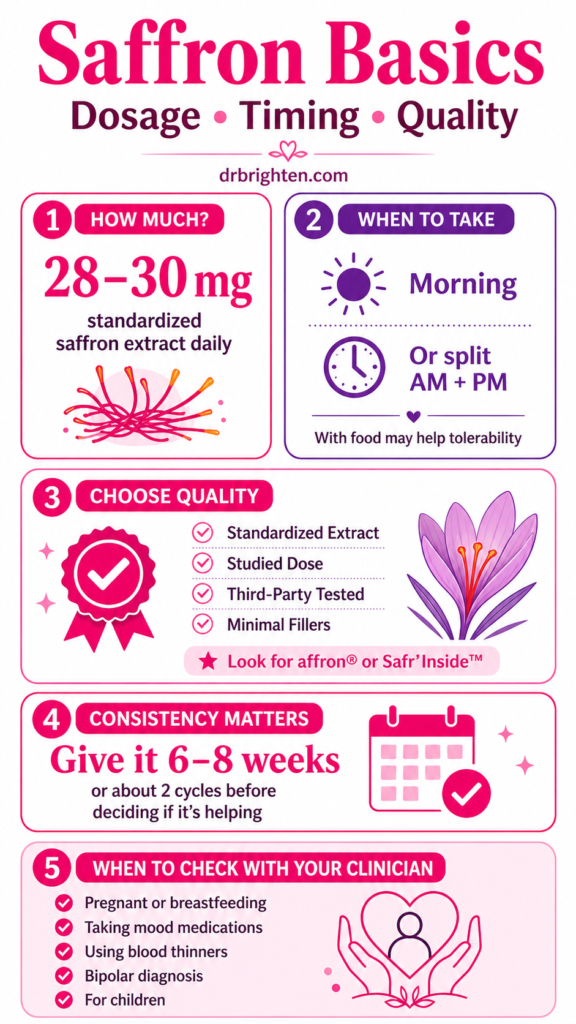
Most clinical studies use saffron doses between 28 and 30 mg of standardized saffron extract daily.
It can take between 6 and 8 weeks to experience full results, so be patient and consistent.
In studies, this amount (about 30 mg/day) is typically derived from standardized extracts such as affron® or Safr’Inside™, which helps ensure saffron’s active compounds are included in the right amounts.
Higher doses aren’t necessarily more effective and can potentially increase the risk of side effects, so stick with recommended doses.
What’s the Best Time to Take Saffron for ADHD?
There isn’t a strict protocol in terms of when to take saffron. But most people do well taking saffron:
- In the morning to support focus and mood
- Or split into two doses (morning and afternoon)
Taking saffron with food is a good way to help prevent stomach discomfort if you tend to be sensitive, although it can be taken between meals too.
Consistency is important because, remember, most studies show noticeable improvements after 4–6 weeks of daily use.
What’s the Best Type of Saffron for ADHD?
As with all supplements, quality matters in terms of the results you’ll experience. Look for saffron supplements that include:
- Standardized saffron extract (like affron® or Safr’Inside™)
- Clinically studied dosage (around 30 mg per day)
- Third-party testing for purity
- Minimal fillers or additives
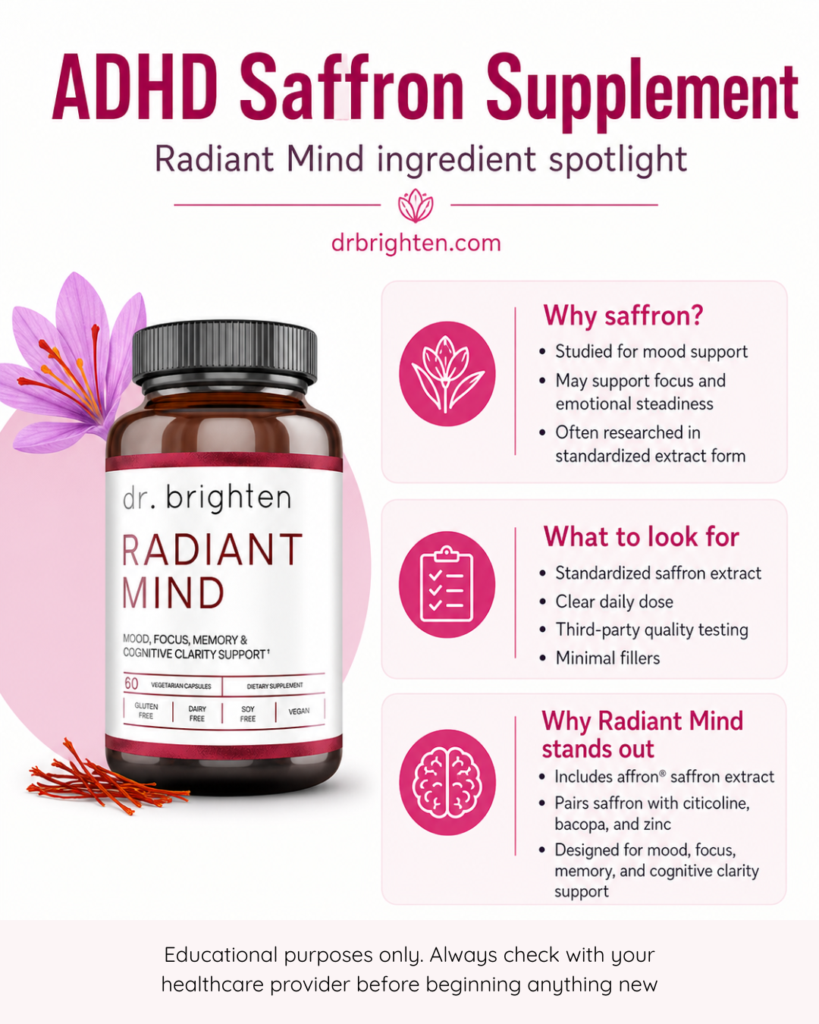
Why Radiant Mind™ Includes Saffron:
Radiant Mind™ includes affron® saffron extract in the same general dose range used in some published studies. This is one reason it may be worth considering for people looking for evidence-informed support for mood, focus, and emotional resilience.
Radiant Mind™ also includes Cognizin® citicoline, Bacognize® bacopa, and zinc, which support complementary aspects of cognitive function, stress resilience, and neurotransmitter activity.
While these ingredients are selected for their research-backed roles in brain health, results vary, and Radiant Mind™ is not intended to diagnose, treat, cure, or replace medication for ADHD, PMDD, anxiety, or depression.
Within Radiant Mind™, you’ll find:
- Cognizin® citicoline, which supports dopamine signaling, mental energy, and attention
- Bacognize® bacopa, an adaptogenic herb that helps the brain adapt to stress and supports memory and cognitive clarity
- Zinc, a mineral involved in neurotransmitter production and immune balance
This formula is especially helpful for anyone who experiences:
- Focus crashes during the luteal phase
- Mood instability tied to hormonal shifts
- Brain fog and mental fatigue
- Stress-driven ADHD symptom flare-ups
Can Saffron Replace ADHD Medication?
Saffron isn’t intended to replace prescribed ADHD medication, especially without guidance from a healthcare professional.
Most people decide to use saffron as a complementary tool alongside medication, therapy, and lifestyle strategies. Overall, ADHD management usually works best when multiple systems are supported, including:
- Sleep
- Nutrition
- Stress regulation
- Hormone balance
- Brain chemistry
Saffron can be one piece of the puzzle in this broader treatment strategy.
Before Taking Saffron
Talk with your clinician before using saffron if you are pregnant or breastfeeding, take antidepressants or other mood-related medications, use blood thinners, have bipolar disorder, or are considering saffron for a child. Saffron should not be used as a replacement for ADHD medication, PMDD treatment, or mental health care without medical guidance.
Key Takeaways on Saffron and ADHD
Saffron may be a useful complementary supplement for some women with ADHD who also experience PMS or PMDD symptoms, but whether it’s appropriate depends on the individual, their medications, and clinician guidance.
Saffron has been shown in studies to help with:
- Focus and attention
- Emotional stability
- Mood balance
- PMS and PMDD symptoms
- Stress resilience
- Reducing anxiety and depression
- Improving sleep
As always, supplements containing saffron, such as Radiant Mind™, work best alongside lifestyle foundations such as quality sleep, balanced nutrition, stress management, and supportive healthcare guidance.
FAQ: Saffron for ADHD and PMDD
Studies show that saffron extract may help support attention, emotional regulation, sleep quality, and reduced impulsivity. Some clinical trials have even found saffron produced improvements in ADHD symptoms similar to stimulant medications over short study periods.
The benefits of saffron for ADHD appear to stem from its effects on key brain chemicals like dopamine and serotonin. By supporting these neurotransmitters, saffron may help improve focus, motivation, emotional regulation, and sleep quality. Its antioxidant and anti-inflammatory effects can also support cognitive function and reduce stress-related brain inflammation.
Yes, saffron can help reduce several symptoms of PMDD, like mood swings, irritability, anxiety, and depression associated with the premenstrual phase.
Most clinical studies use 28–30 mg daily of a standardized saffron extract, such as affron® or Safr’Inside™. This dose is typically used consistently for several weeks, with results often evaluated after 6–8 weeks or about two menstrual cycles.
Possibly. Early research suggests saffron may support mood, emotional regulation, sleep, and attention-related symptoms. Because ADHD and PMDD can both involve dopamine, serotonin, stress, and sleep pathways, saffron may be relevant for women whose ADHD symptoms worsen during the luteal phase.
Most studies evaluate saffron after several weeks of daily use. A practical trial period is usually 6–8 weeks, or about two menstrual cycles, especially when tracking PMS or PMDD-related symptoms.
Many people take saffron in the morning to support daytime focus and mood. Others split the dose between morning and afternoon. Taking it with food may help if you are prone to stomach sensitivity.
No. Saffron should not replace prescribed ADHD medication unless you are working with your clinician. It is better framed as a complementary support alongside medication, therapy, nutrition, sleep, stress regulation, and hormone-aware care.
Saffron may be appropriate for some people, but it depends on your health history and medications. Check with your clinician if you are pregnant, breastfeeding, taking mood medications, using blood thinners, have bipolar disorder, or are considering it for a child.