

Chamomile tea has been used for generations to promote relaxation and better sleep. Today, researchers understand that many of these calming benefits can be traced to apigenin, one of chamomile’s most important active compounds.
Many first hear about apigenin because it can improve sleep, and now researchers are investigating its role in everything from brain health and anxiety to inflammation, healthy aging, and cellular function.
In fact, apigenin has become one of the most talked-about plant compounds in the longevity space because of its positive effects on oxidative stress, NAD+ metabolism, and healthy aging.
Apigenin interacts with brain pathways involved in relaxation and reduced neuronal activity, helping explain why it may make it easier to wind down and achieve more restorative sleep. But its potential benefits do not end there. Researchers are also studying apigenin for its effects on oxidative stress, inflammation, cognitive health, NAD+ metabolism and healthy aging.
Unlike chamomile tea, which contains relatively small and variable amounts of apigenin, a well-formulated supplement can provide a consistent, concentrated dose.
Below, we’ll look closely at what apigenin is, how apigenin works, the most well-studied apigenin benefits (including for women specifically), and the potential side effects of apigenin so you can decide whether it’s worth considering.
In This Article:
- What Is Apigenin?
- How Does Apigenin Work?
- Apigenin Health Benefits
- Apigenin Benefits for Sleep
- Is Apigenin Good for Sleep?
- Apigenin for Anxiety
- Apigenin Benefits for Women
- Apigenin Benefits for Hair
- Liposomal Apigenin Benefits
- Apigenin Benefits and Side Effects
- Side Effects of Apigenin
- Is Apigenin Safe?
- How Much Apigenin Per Day?
- Who Should Avoid Apigenin?
- FAQs and The Bottom Line
You're in ✦
Check your inbox. Day one is on its way.
Your ADHD Hormone & Brain Sync Guide is heading to your inbox now — look for it from Dr. Brighten in the next few minutes.
New Book · Out October 6, 2026
The full system behind the guide
These five days are the doorway. ADHD and Women is the whole map — the ADHD-Hormone Profile and what to do across every hormonal transition.
Pre-Order ADHD and WomenQuick Answer
Apigenin is the primary flavonoid believed to give chamomile its calming and sleep-supportive effects. It interacts with central benzodiazepine-binding sites and other brain pathways that regulate relaxation and neuronal excitability. Human studies using apigenin-rich chamomile preparations have found improvements in overall sleep quality, although results for chronic insomnia, sleep duration and sleep latency have been mixed. .
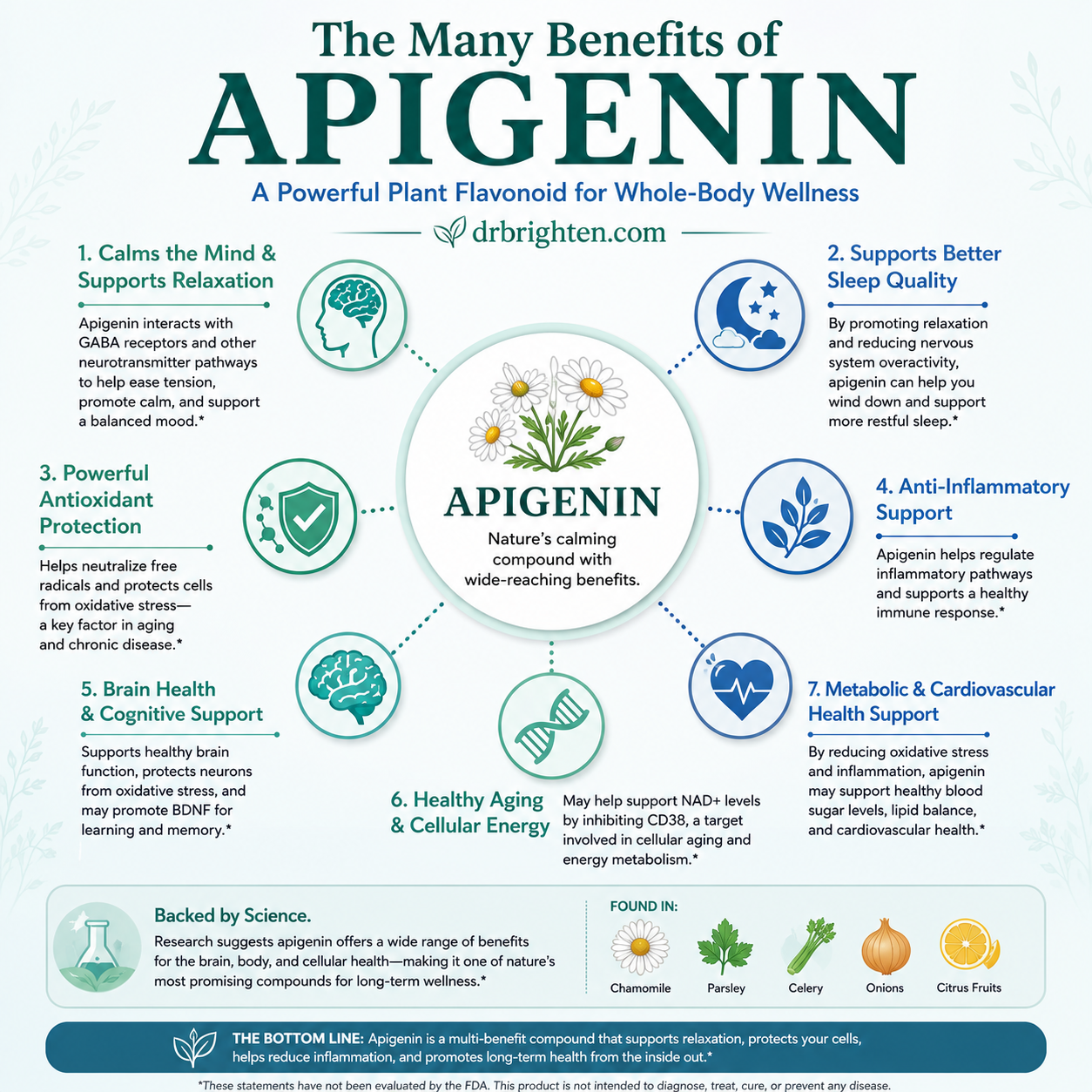
Although it’s best known for promoting relaxation and sleep, studies have recently revealed many other apigenin health benefits[1], including support for brain function, healthy aging, anti-inflammation[2], and antioxidant defense.
For example, evidence suggests that apigenin supplement benefits include improving sleep quality, reducing anxiety, promoting muscle relaxation[3], and protecting against oxidative stress and chronic diseases[4] like diabetes and cognitive decline.
However, many of these findings come from laboratory and animal studies, so more high-quality human research is still needed.
For most healthy adults, apigenin appears to be well tolerated when used appropriately, but it isn’t suitable for everyone. Like any supplement, its potential benefits should always be weighed alongside its possible side effects or medication interactions.
In my experience as a board-certified physician, apigenin makes the most sense for women who feel physically tired but mentally unable to switch off. It is not a substitute for addressing hot flashes, sleep apnea, thyroid dysfunction or other underlying causes of disrupted sleep, but it can be a valuable tool for supporting the nervous system’s transition into rest.
What Is Apigenin?
Apigenin is a naturally occurring flavonoid, which is a class of plant compounds known for their antioxidant and anti-inflammatory properties.
Plants produce flavonoids to help protect themselves against environmental stressors, and when we consume these same compounds through plant foods, they can positively influence many biological processes throughout our bodies.
Most people unknowingly consume small amounts of apigenin as part of a healthy diet. Apigenin is found naturally in foods including:
- Chamomile flowers
- Parsley
- Celery
- Oregano
- Thyme
- Onions
- Some citrus fruits
Keep in mind, though, that the doses you’ll find in apigenin supplements are much more concentrated than what you’d get from simply eating these foods.
It’s also helpful to know that apigenin isn’t an “essential” nutrient like vitamins or minerals, so you don’t need it to avoid a deficiency. Think of it more as a phytonutrient: one of those bonus plant compounds that acts like a cellular bodyguard, helping to keep your body running smoothly and protected against wear and tear as you age.
Related: Apigenin for Sleep: Benefits, Dosage, Safety, and Research
How Does Apigenin Work?
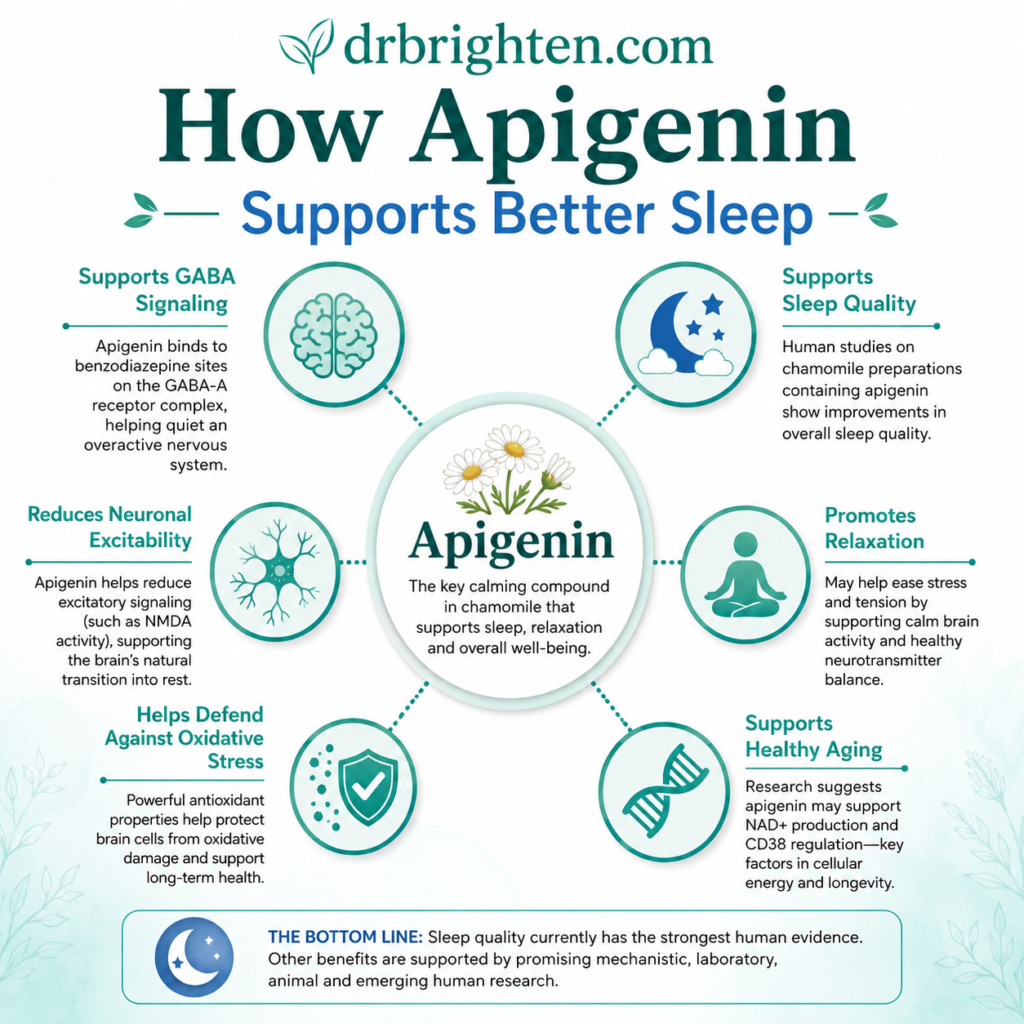
One reason apigenin has attracted so much scientific attention is that it doesn’t appear to act through just one pathway.
Instead, it influences several biological systems, especially those involved in relaxation, inflammation, oxidative stress, and cellular health.
Rather than targeting a single symptom, apigenin appears to support the nervous system, immune system, and cellular energy pathways, which influence how we feel and function every day.
Current research suggests apigenin may work by:
- Supporting GABA signaling[5], which helps calm the nervous system and promote relaxation.
- Acting as an antioxidant to help protect cells from oxidative stress.
- Helping regulate inflammatory pathways involved in the body’s immune response.
- Possibly reducing period problems like cramps and pain that are worsened by inflammation.
- Supporting healthy cellular aging by helping preserve NAD+, a molecule involved in energy production and DNA repair.
- Protecting brain cells by supporting healthy cellular signaling and reducing oxidative stress.
Apigenin Benefits
Let’s take a closer look at the potential health benefits of apigenin, starting with the area where the human research is strongest: sleep.
1. Supports Better Sleep
Of all the potential apigenin benefits, sleep is backed by the strongest human evidence.
Apigenin appears to help promote quality sleep and relaxation[6] by interacting with GABA (gamma-aminobutyric acid), the brain’s primary calming neurotransmitter. Think of GABA as your nervous system’s “off switch.” It helps quiet mental chatter, reduce nervous system activity, and prepare your body for rest.
Laboratory studies suggest apigenin can bind to GABA-A receptors, particularly at the same receptor site targeted by certain anti-anxiety medications, although much more gently. Rather than producing the strong sedative effects associated with prescription medications, apigenin appears to help support the body’s own natural relaxation pathways.
Unlike melatonin, which primarily helps regulate your circadian rhythm, apigenin doesn’t tell your body it’s time for bed. Instead, it may help you feel relaxed enough to fall asleep naturally.
Several studies examining chamomile extract, which is naturally rich in apigenin, have found improvements in sleep quality, daytime functioning, and overall sleep satisfaction.
Related:
10 Best Sleep Supplements Besides Melatonin
Which Hormones Affect Sleep? The Hormone-Sleep Connection Explained
2. May Help Ease Anxiety
If your mind tends to replay tomorrow’s to-do list the moment your head hits the pillow, apigenin might be able to help.
Since it appears to influence GABA activity, researchers have also explored its potential role in managing stress and anxiety[7].
Much of the evidence comes from studies using chamomile extract, which has been associated with improvements in symptoms of generalized anxiety disorder, stress, and mood.
Researchers believe apigenin is one of the compounds responsible for these calming effects, although it’s likely working alongside many other beneficial plant compounds found in chamomile.
There’s even evidence that apigenin can have positive effects on social interactions[8] and also memory.
It’s important to remember that apigenin isn’t a replacement for therapy, medication, or other evidence-based treatments for anxiety disorders.
Related:
Overthinking at Night: Why Your Brain Won’t Shut Off When Your Body Is Exhausted
Anxiety and Supplements: What Really Works for Stress, Mood, and Sleep
Perimenopause Anxiety Disorder: Can Unbalanced Hormones Like Progesterone Cause Anxiety?
3. Helps Protect Cells From Oxidative Stress and Inflammation
Every single day, your cells are exposed to oxidative stress. It’s a normal byproduct of living, breathing, exercising, and simply producing energy.
The problem arises when your body’s antioxidant defenses can’t keep up. Over time, excess oxidative stress can damage cells and has been linked to aging and many chronic diseases.
Apigenin acts as an antioxidant[9], helping neutralize free radicals while also supporting your body’s own antioxidant systems. Although this doesn’t mean it can prevent disease, reducing oxidative stress is one reason researchers continue to study apigenin’s potential role in healthy aging and long-term wellness.
Apigenin also has demonstrated anti-inflammatory effects[10]. Inflammation is an essential part of healing, but when it becomes chronic, it can contribute to everything from metabolic dysfunction to cognitive decline.
Preclinical studies suggest apigenin may help regulate inflammatory signaling pathways involved in the body’s immune response.
That said, while these findings are encouraging, most of this research has been conducted in laboratory or animal models, so more human clinical trials are needed before we know exactly how these effects translate into everyday health.
4. May Support Healthy Aging
One reason apigenin has attracted so much attention in the longevity community is its potential effect on NAD+.
NAD+ is a molecule involved in:
- Cellular energy production
- DNA repair
- Mitochondrial function, the “powerhouse of cells”
- Healthy aging
As we age, NAD+ levels naturally decline. Researchers believe this may contribute to some of the changes we associate with aging, including reduced energy production and diminished cellular repair.
Early research suggests apigenin may help preserve NAD+[11] by slowing the activity of an enzyme called CD38, one of the body’s biggest consumers of NAD+.
This doesn’t mean apigenin is an anti-aging cure, but it does represent one of the more exciting areas of current research. Scientists are actively studying whether supporting NAD+ metabolism can help promote healthier aging over time.
5. Helps Support Brain Health
Your brain is one of the most energy-demanding organs in your body. Although it accounts for only about 2% of your body weight, it uses roughly 20% of your daily energy.
Because of those high energy demands, the brain is especially vulnerable to inflammation and oxidative stress.
Laboratory and animal studies suggest apigenin may help protect brain cells[12] by supporting healthy inflammatory responses, reducing oxidative stress, and promoting brain-derived neurotrophic factor (BDNF), a protein involved in learning, memory, and the formation of new neural connections.
While these findings are exciting, human studies are still limited. At this point, apigenin should be viewed as a promising area of brain health research, not a proven cognitive enhancement supplement.
Related:
Struggling with Sleep & Anxiety? Are Low Progesterone Symptoms to Blame with Dr. Carrie Jones
Menopause Fatigue Solved: Proven Ways to Reclaim Energy, Focus, and Vitality
6. May Help Promote Healthier Hair Growth
Another topic gaining attention online is apigenin benefits for hair[13]. At this point, the evidence is still preliminary, but there are some interesting reasons researchers are paying attention.
Healthy hair growth depends on adequate blood flow, balanced inflammation, healthy hair follicle function, and protection from oxidative stress. Laboratory studies suggest apigenin may help support some of these processes by reducing oxidative damage and promoting a healthy environment around hair follicles.
Some animal research has even suggested that apigenin may influence the hair growth cycle, although these findings haven’t yet been confirmed in human studies.
For now, I wouldn’t recommend taking apigenin solely to improve hair growth. If you’re experiencing hair thinning or excessive shedding, it’s much more important to identify the underlying cause, whether that’s iron deficiency, thyroid dysfunction, androgen excess, nutrient deficiencies, chronic stress, or hormonal changes.
Apigenin Benefits for Women Specifically
Although most of the research on apigenin has included both men and women, I believe this compound deserves special attention in women’s health.
Throughout a woman’s life, hormonal changes can influence sleep quality, mood, stress resilience, and inflammation, such as during the menstrual cycle, perimenopause, and menopause.
For example, many women notice they’re more prone to insomnia and sleep problems before and during their period, anxiety, or restlessness during the late luteal phase of their cycle, or throughout the menopause transition.
While apigenin doesn’t increase estrogen or balance hormones directly, its calming effects on the nervous system can often help support better sleep and relaxation during these hormonally dynamic times, including among those with PMDD or strong PMS symptoms.
Researchers are also interested in apigenin because of its antioxidant and anti-inflammatory properties. Chronic inflammation and oxidative stress tend to increase with age and have been linked to many of the conditions that disproportionately affect women later in life.
Related:
Why Can’t I Sleep? The Real Reasons for Perimenopause Sleep Issues (and What Actually Helps)
Perimenopause Sleep Hormones: Cynthia Thurlow on Why Rest Changes First
3 Period Problems Women Should Never Ignore (Heavy Bleeding, PMS, and Period Pain)
Menopause Brain Fog Is Real: 7 Science-Backed Ways To Clear It
Potential Apigenin Side Effects
For most healthy adults, apigenin appears to be well tolerated when taken at recommended doses.
However, remember that “natural” doesn’t automatically mean risk-free. Like any dietary supplement, it has the potential to cause side effects or interact with certain medications.
Some people may experience mild side effects, particularly when taking higher doses or combining apigenin with other supplements or medications that promote relaxation.
Potential side effects of apigenin may include:
- Daytime drowsiness
- Dizziness
- Headache
- Mild digestive upset, such as nausea or stomach discomfort
The good news is that serious adverse effects have not been commonly reported in the research available today. Most side effects, when they do occur, tend to be mild and often improve with a lower dose or by discontinuing the supplement.
Because apigenin may have calming effects on the nervous system, some people find they feel sleepy after taking it. For that reason, many supplements recommend taking them in the evening or before bedtime.
Interactions With Medications:
Apigenin can potentially interact with certain medications, such as by increasing the effects of sedatives or anti-anxiety medications. It may also affect how the body processes some drugs through liver enzymes.
In addition, because apigenin may have mild effects on platelet function, people taking blood-thinning medications should speak with their healthcare provider before using it.
While these concerns won’t apply to everyone, they highlight why it’s important to view supplements the same way we view medications: as biologically active compounds that deserve thoughtful use rather than assuming they’re automatically safe simply because they’re plant-derived.
Is Apigenin Safe for Sleep?
Based on the research available today, the answer appears to be yes, particularly if your sleep difficulties are related to stress or an overactive mind.
That doesn’t mean apigenin is a cure for insomnia, nor should it replace treatment for underlying sleep disorders like sleep apnea or restless legs syndrome.
But for many people, it may be a helpful addition to a broader sleep-support plan that also includes good sleep hygiene, stress management, consistent sleep habits, and possibly other supplements, such as L-theanine or magnesium.
One of the reasons I’m excited about apigenin is that it supports the biology of relaxation rather than simply masking sleep problems. If you’re constantly feeling “tired but wired,” calming the nervous system may be exactly what’s needed to help your body transition into restorative sleep.
Still, if you’ve struggled with poor sleep for weeks or months, I always encourage looking beyond supplements.
Hormonal imbalances, blood sugar dysregulation, chronic stress, nutrient deficiencies, medications, and underlying medical conditions can all interfere with healthy sleep. Addressing those root causes will always have a greater impact than relying on any single supplement.
Keep expectations realistic. No supplement can replace the fundamentals of good health, like eating a nutrient-dense diet, moving your body regularly, and managing stress, all of which can impact your sleep. Think of apigenin as one potential tool that may help support those healthy habits, not as a shortcut around them.
In clinical practice, the first questions to answer when a woman begins waking at 2 or 3 a.m. is whether she is experiencing hot flashes, alcohol-related sleep fragmentation, blood sugar symptoms, restless legs, medication effects or signs of sleep apnea.
Why Apigenin Works Even Better With Other Sleep-Supportive Nutrients
One of the biggest misconceptions about sleep supplements is that every ingredient should make you sleepy. That’s not actually the goal.
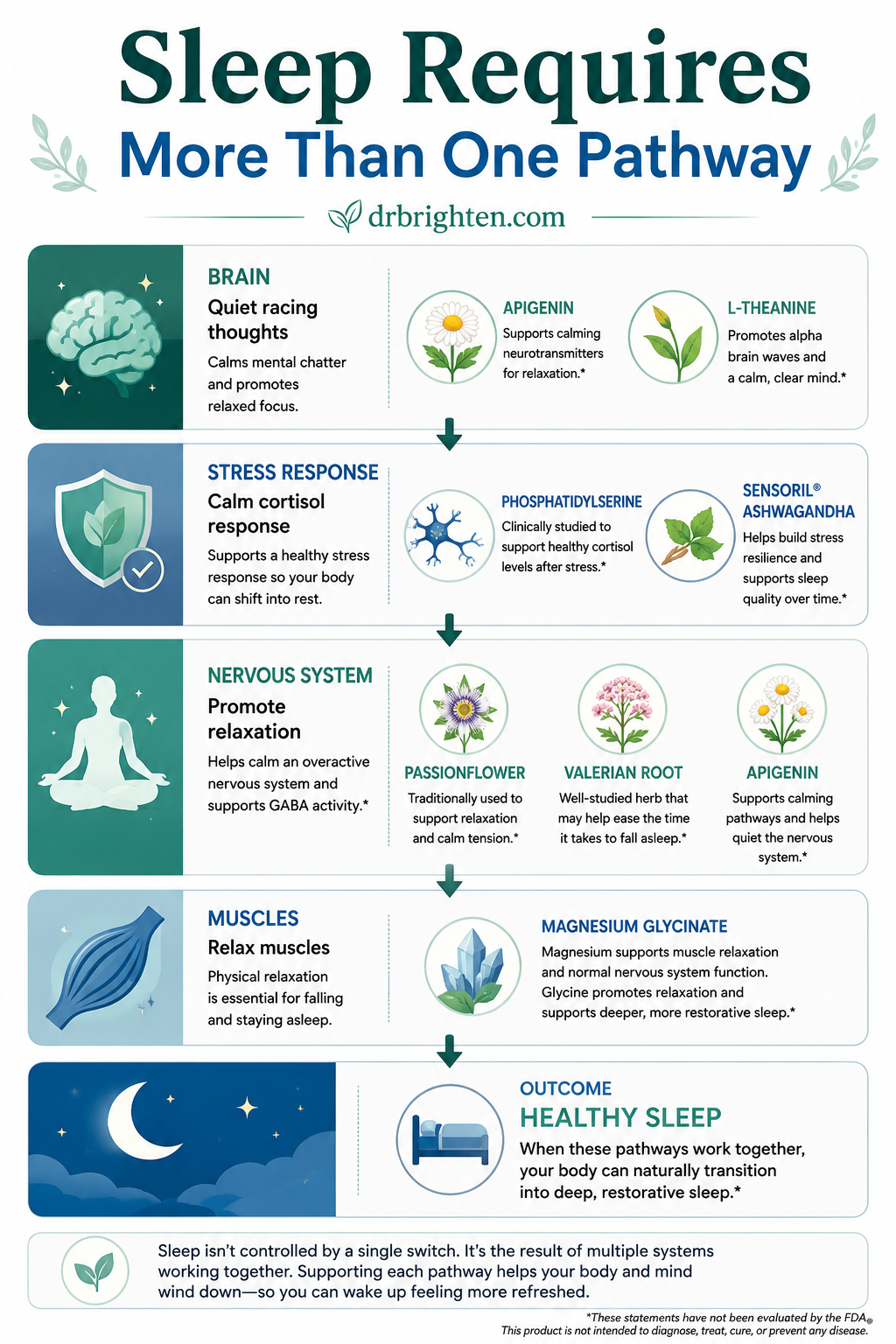
Healthy sleep depends on several biological systems working together. Your brain has to quiet down, your stress response needs to shift out of “fight-or-flight,” your muscles need to relax, and your body has to move naturally into restorative sleep.
That’s why I prefer thoughtfully formulated sleep supplements over relying on a single ingredient alone. Each ingredient can support a different aspect of the biology behind healthy sleep.
Apigenin: Helps Quiet an Overactive Brain
Apigenin is the foundation of the formula because it supports the nervous system’s natural calming pathways. As the primary calming flavonoid found in chamomile, it interacts with brain signaling involved in relaxation, helping reduce the “tired but wired” feeling that keeps many people awake.
Rather than forcing sedation, apigenin helps create an environment where your brain is better able to transition into sleep naturally.
L-Theanine: Calms Mental Chatter
If apigenin helps calm the nervous system, L-theanine helps calm the mind.
Naturally found in green tea, L-theanine promotes relaxed alertness by supporting alpha brain wave activity and influencing neurotransmitters involved in stress resilience and focus. Many people describe it as helping to quiet racing thoughts without making them feel groggy.
Together, apigenin and L-theanine help address one of the most common reasons people struggle to fall asleep: an overactive mind.
Phosphatidylserine: Supports a Healthy Stress Response
Stress doesn’t end when your workday is over.
For many people, cortisol remains elevated into the evening, making it difficult to fully unwind. Phosphatidylserine has been studied for its ability to support a healthy cortisol response during periods of chronic stress, particularly after mentally demanding days.
By supporting a healthier stress response, phosphatidylserine may help your body recognize that it’s time to transition from alertness into rest.
Sensoril® Ashwagandha: Helps Build Stress Resilience
Sensoril® is a standardized form of ashwagandha that has been clinically studied for its effects on stress, anxiety, and sleep quality.
Rather than simply making you sleepy, Sensoril helps improve your ability to adapt to physical and emotional stress over time. Chronic stress can interfere with sleep by keeping the nervous system activated long after the stressful event has passed.
Supporting stress resilience during the day can translate into better sleep at night.
Passionflower: Supports Relaxation
Passionflower has a long history of traditional use for nervous tension and occasional sleeplessness.
Research suggests it may support GABA activity, complementing the calming effects of apigenin through related—but not identical—pathways. Together, these botanicals provide layered support for relaxation without relying on heavy sedation.
Valerian Root: Helps Ease the Transition Into Sleep
Valerian root is one of the best-studied herbs for occasional sleep difficulties.
Although researchers are still working to fully understand its mechanisms, valerian appears to support GABA signaling and may help reduce the amount of time it takes to fall asleep while improving perceived sleep quality in some people.
When paired with apigenin and passionflower, valerian contributes another layer of botanical support for healthy sleep.
Magnesium Glycinate: Relaxes the Body
Your brain isn’t the only thing that needs to relax before bed—your muscles and nervous system do too.
Magnesium plays an essential role in hundreds of biochemical reactions, including those involved in nerve transmission, muscle relaxation, and healthy sleep regulation. The glycinate form is particularly well tolerated and combines magnesium with glycine, an amino acid that also supports restful sleep.
Magnesium glycinate complements the calming effects of the other ingredients by supporting both physical relaxation and normal nervous system function.
Clinical Pearl: No single ingredient is responsible for healthy sleep. Sleep involves the nervous system, stress response, neurotransmitters, muscle relaxation, and circadian biology. That’s why well-designed formulas often combine ingredients that support these different pathways instead of relying on one compound alone.
How Much Apigenin Per Day?
One of the most common questions I hear is, “How much apigenin per day should I take?”
The answer depends on your reason for taking it, since there isn’t currently an officially recommended daily intake.
Most commercially available supplements provide between 25 mg and 50 mg per day.
Some formulations contain up to 100 mg, although higher doses haven’t necessarily been shown to provide greater benefits.
If you’re new to apigenin, I generally recommend starting with the lowest effective dose, about 25 mg/day. This allows you to see how your body responds before increasing the amount.
For sleep support, many people take apigenin about 30 to 60 minutes before bed. If you’re using it for other potential health benefits, follow the dosing instructions provided by the manufacturer or your healthcare provider.
Which Type to Look For:
As apigenin has become more popular, manufacturers have introduced liposomal versions that claim to offer superior absorption.
Liposomal supplements surround an ingredient with tiny lipid particles designed to improve its stability and delivery into the body. In theory, liposomal apigenin benefits could include improved bioavailability, allowing more of the compound to reach the bloodstream.
Most of the research showing positive effects has used standard apigenin or chamomile extracts, not liposomal formulations specifically.
For that reason, I wouldn’t choose a supplement based solely on whether it’s liposomal. Instead, focus on selecting a product from a reputable company that provides third-party testing and transparent ingredient sourcing.
My Clinical Perspective: Determining If It’s Right For You
When patients ask me whether apigenin is worth trying, I encourage them to think about why they’re interested in it in the first place.
If you’re looking for a supplement that will instantly fix chronic insomnia, eliminate anxiety, or dramatically slow aging, apigenin is unlikely to meet those expectations.
If you’re considering adding apigenin to your routine, it’s always worth asking two questions: Is it likely to help? And is it appropriate for my specific health situation?
You should also talk with your healthcare provider before taking apigenin if you:
- Are pregnant or breastfeeding
- Take prescription sleep medications or sedatives
- Use anti-anxiety medications
- Take blood thinners or antiplatelet medications
- Have liver disease or impaired liver function
- Are scheduled for surgery
- Take multiple prescription medications or manage a chronic medical condition
The Bottom Line
Apigenin is much more than the compound that gives chamomile tea its calming reputation.
Research suggests apigenin health benefits can include supporting relaxation, sleep quality, antioxidant defenses, healthy inflammation, and cellular health, all through several interconnected biological pathways.
Sleep and stress support currently have the best human research, while areas like healthy aging, brain health, and hair growth remain exciting but are largely based on laboratory and animal studies.
For most healthy adults, apigenin appears to be safe when used appropriately. But like any supplement, it should be viewed as one piece of a larger picture.
As research continues to evolve, we’ll likely gain a better understanding of who stands to benefit the most from apigenin and how it can best support long-term health. Until then, I view apigenin supplement benefits as promising, but not miraculous.
FAQs About Apigenin Benefits
Apigenin is a naturally occurring flavonoid found in chamomile and other plant foods. It’s best known for its calming properties, but researchers are also studying its potential role in healthy aging, brain health, inflammation, and antioxidant defense.
Current research suggests apigenin benefits may include promoting better sleep, supporting relaxation, easing mild anxiety, protecting against oxidative stress, and supporting healthy aging.
Yes, sleep is one of the most well-studied uses of apigenin. Research suggests it may promote relaxation by supporting GABA signaling, which can make it easier to fall asleep and improve overall sleep quality.
For most healthy adults, apigenin appears to be safe when taken as directed. However, people who are pregnant, breastfeeding, taking blood thinners, sedatives, or prescription medications should speak with their healthcare provider before using an apigenin supplement.
Most supplements provide between 25 and 50 mg per day, although some contain up to 100 mg. If you’re new to apigenin, it’s generally best to start with the lowest effective dose.
Most reported side effects of apigenin are mild and may include daytime drowsiness, dizziness, headache, or digestive upset. It may also interact with certain medications, particularly sedatives, anti-anxiety medications, and blood thinners.
Current evidence suggests many healthy adults can take apigenin regularly, but long-term human safety studies are still limited.
Liposomal apigenin is designed to improve absorption, but there isn’t enough human research to conclude that it provides greater benefits than conventional apigenin supplements.