

Maybe the wine that never bothered you now wrecks your sleep, or the stress you used to shrug off now sits in your belly. Or you’re eating the same way you always have, but your digestive system and weight are responding like never before.
If youre approaching or in menopause, these types of changes are not in your head, nor are they just a willpower problem. As estrogen fluctuates and then declines, your metabolism, insulin sensitivity, body composition, cardiovascular health, and inflammatory responses can all change with it.
You're in ✦
Check your inbox. Day one is on its way.
Your ADHD Hormone & Brain Sync Guide is heading to your inbox now — look for it from Dr. Brighten in the next few minutes.
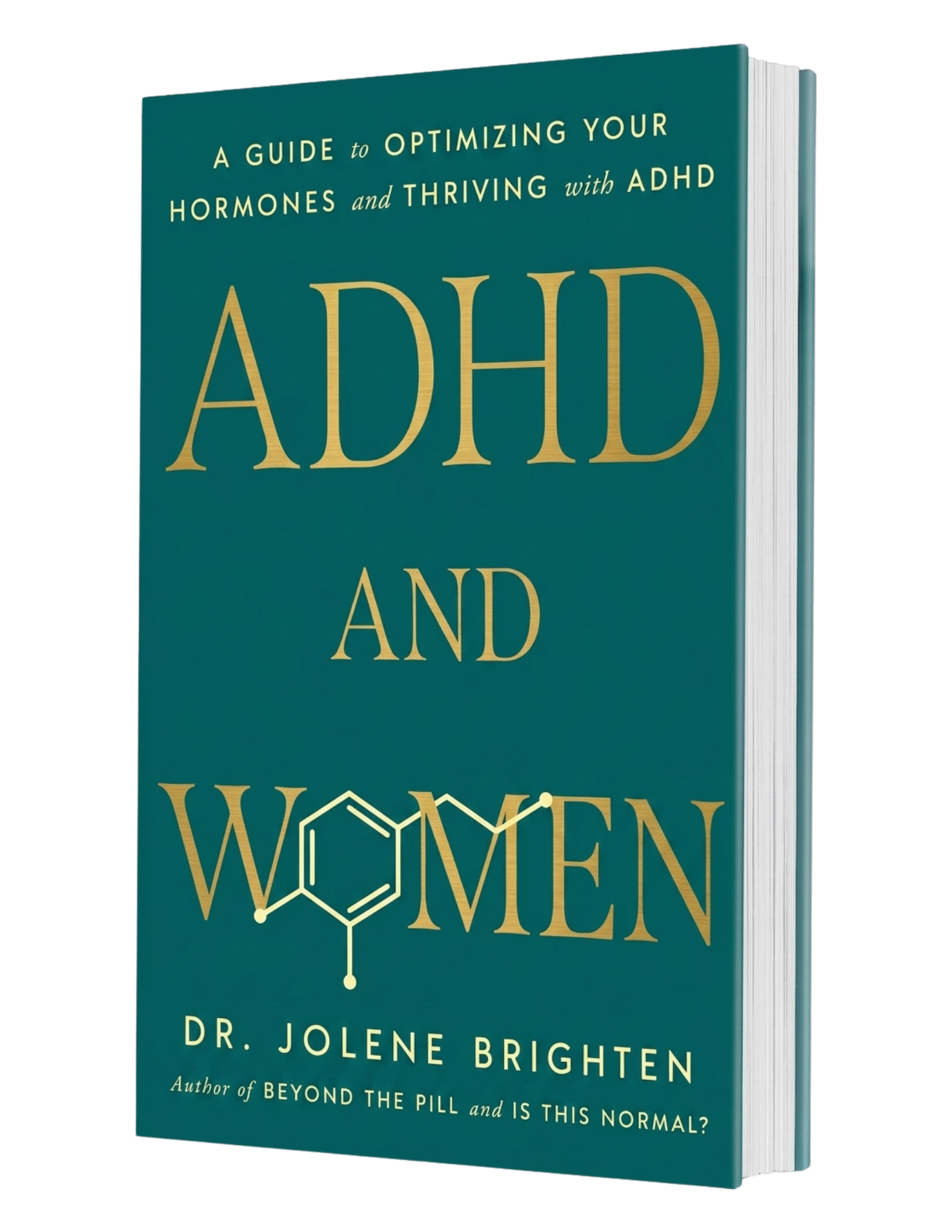
New Book · Out October 6, 2026
The full system behind the guide
These five days are the doorway. ADHD and Women is the whole map — the ADHD-Hormone Profile and what to do across every hormonal transition.
Pre-Order ADHD and WomenIn this article:
- Quick Answer
- Does Menopause Cause Inflammation?
- What Is an Anti-Inflammatory Diet for Menopause?
- Best Anti-Inflammatory Foods for Menopause
- Foods to Limit
- Anti-Inflammatory Diet for Menopause Weight Loss
- Can You Follow an Anti-Inflammatory Diet Without Fish?
- Easy Anti-Inflammatory Diet Meal Ideas
- What Anti Inflammatory Diet Results Can You Expect?
- My Clinical Perspective
- The Bottom Line on an Anti Inflammatory Diet for Menopause
- Frequently Asked Questions
This is why I recommend an anti-inflammatory diet during menopause. In this phase of life, the quality of your diet is huge—and what you eat (and don’t eat) every day can either strain your health or help support it.
One of the best parts about a menopause anti-inflammatory diet is that it’s not restrictive or extreme. It looks a lot like a Mediterranean-style way of eating: colorful vegetables and fruit, quality protein, fiber-rich carbs, nuts, seeds, olive oil, herbs, spices, and omega-3 fats. Below, I’ll explain how to put it into practice.
In this article, we’ll cover:
- Does menopause cause inflammation?
- The best anti-inflammatory foods for menopause
- What to limit on an anti-inflammatory diet for women in menopause
- How this way of eating can support a healthy weight
- How to follow an anti-inflammatory diet, including without fish if you prefer
- Simple anti-inflammatory diet meal ideas
- What anti-inflammatory diet results you can realistically expect
Quick Answer
An anti-inflammatory diet for menopause is one that includes plenty of whole, minimally processed foods, such as vegetables, fruits, fish, olive oil, and nuts. This type of diet provides fiber, antioxidants, healthy fats, and other nutrients that can help keep inflammation under control and contribute to overall health.
There isn’t one official “menopause diet.” However, Mediterranean-style eating patterns have some of the strongest evidence for reducing markers of chronic inflammation. A recent meta-analysis of randomized controlled trials found that following a Mediterranean diet significantly reduced several inflammatory markers, including high-sensitivity C-reactive protein (hs-CRP) and interleukin-6 (IL-6).
A good anti-inflammatory plate includes plenty of colorful vegetables, fruit, legumes, whole grains, protein, nuts and seeds, extra-virgin olive oil, and, if you eat it, fatty fish.
Does Menopause Cause Inflammation?
Does menopause cause inflammation directly? The answer is somewhat more complicated than a straightforward yes.
Inflammation is a normal part of your immune system: you need it to fight infection and repair injuries. The problem is chronic, low-grade inflammation that stays higher than normal over time.
Estrogen interacts with the immune system and can influence inflammatory responses. Research has found increases in certain pro-inflammatory cytokines after menopause, and declining estrogen is thought to contribute to these changes.
More recently, researchers using data from the long-running Study of Women’s Health Across the Nation (SWAN)[1] found evidence that the menopause transition can contribute to increased inflammation independent of aging alone.
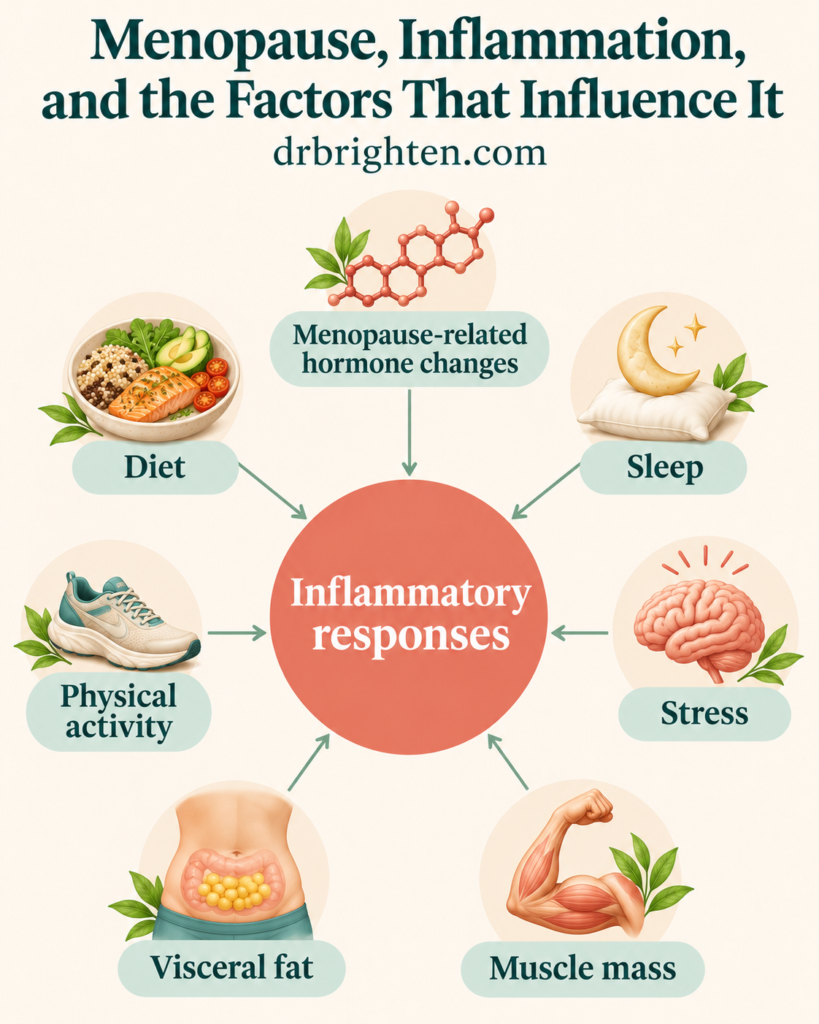
At the same time, menopause affects everyone differently, and lifestyle factors can make a huge difference in symptom severity. Sleep disruption, stress, loss of muscle, increases in visceral fat, declining insulin sensitivity, reduced activity, and diet changes can all influence inflammation too.
This is why I prefer to think about inflammation during menopause as something we can address from several directions rather than blaming everything on hormones, especially estrogen.
What Is an Anti-Inflammatory Diet for Menopause?
There isn’t only one version of an anti-inflammatory diet. But overall, this type of eating pattern prioritizes nutrient-dense whole foods while minimizing foods associated with poorer metabolic health and chronic inflammation.
The Mediterranean diet is one of the best-studied examples of an anti-inflammatory diet.
Research reviews[2] have consistently found favorable effects of the Med Diet on inflammatory markers, particularly CRP and IL-6.
For women in perimenopause and menopause, this type of eating has another advantage: it naturally includes foods that support heart, metabolic, brain, weight management, cognitive health, and bone health.
A 2026 study[3] also found that greater Mediterranean diet adherence was associated with lower BMI and fewer psychological and overall menopausal symptoms.
For that reason, the Menopause Society recommends[4] a heart-healthy eating pattern rich in fruits, vegetables, whole grains, fiber, fish, and protein sources low in saturated fat.
Related:
Healthy Foods for Heart Health
Heart Palpitations in Menopause: What Every Woman Needs to Know
Best Anti-Inflammatory Foods for Menopause
A 2024 review[5] of anti-inflammatory dietary patterns similarly emphasizes fruits, vegetables, whole grains, nuts, legumes, herbs, spices, and plant proteins while limiting refined carbohydrates, processed meats, and foods high in saturated fat.
When choosing anti-inflammatory foods for menopause, focus less on individual “superfoods” and more on what you’re eating consistently.
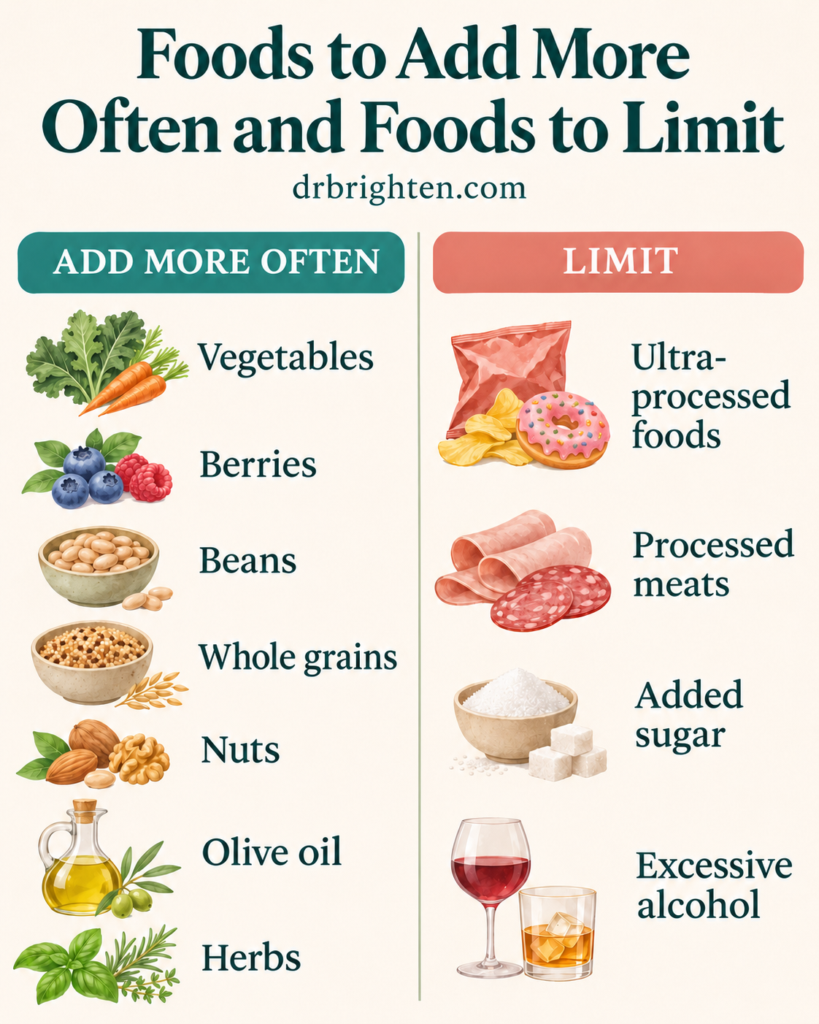
Keep these anti-inflammatory foods in your kitchen, or wherever you spend the most time, so you automatically reach for them most often:
- Vegetables: Leafy greens, broccoli, cauliflower, peppers, tomatoes, carrots, onions, and other colorful vegetables provide fiber and a wide range of antioxidants and phytochemicals.
- Berries and other fruit: Blueberries, strawberries, raspberries, cherries, citrus fruits, apples, and pomegranates provide polyphenols and other antioxidant compounds.
- Protein: Eggs, poultry, fish, Greek yogurt, cottage cheese, beans, lentils, tofu, and tempeh can help you meet your protein needs. Protein becomes especially important during menopause as women become more vulnerable to losing muscle mass with age.
- Healthy fats: Extra-virgin olive oil, avocado, nuts, seeds, and fatty fish provide unsaturated fats. Walnuts, chia seeds, and flaxseeds are also plant sources of omega-3 fatty acids.
- Fiber-rich carbohydrates: Beans, lentils, oats, quinoa, brown rice, barley, sweet potatoes, and other minimally processed carbohydrates provide fiber that supports gut and metabolic health.
- Herbs and spices: Garlic, ginger, turmeric, cinnamon, rosemary, and other herbs and spices add beneficial plant compounds along with flavor.
An important point to emphasize here is that a Mediterranean-type diet doesn’t have to be low-fat.
One of the landmark Mediterranean diet trials, PREDIMED, actually tested diets supplemented with extra-virgin olive oil or nuts. Among adults at high cardiovascular risk, both groups had roughly a 30% lower relative rate of major cardiovascular events[6] than the control group over about five years. That is relevant during and after menopause because cardiovascular risk becomes increasingly important.
Related:
Tips to Help With Menopause Weight Loss
How Much Protein Should Women Have
Foods to Limit
It’s not necessary to eat a “perfect diet” in order to feel well during menopause and to age in good health. In fact, I’d rather see you consistently add nutrient-dense foods to your diet than obsess over calories or avoiding every food someone on social media has labeled “inflammatory.”
That said, it makes sense to limit:
- Ultra-processed foods, such as fast food, most frozen meals, and packaged snacks
- Processed meats
- Refined carbohydrates, such as white bread, pasta, and rolls
- Foods and drinks high in added sugar
- Excessive alcohol
- Foods high in saturated fat when they displace healthier unsaturated fats
Related:
6+ Ways to Eliminate Menopause Belly Fat
Snacks With the Most Protein: What to Eat for a High-Protein Snack
Anti-Inflammatory Diet for Menopause Weight Loss
For women in menopause specifically, studies of Mediterranean-style diets have reported improvements in weight[7] and several markers of cardiometabolic health[8], including blood pressure, triglycerides, and cholesterol.
Weight and body composition commonly become more challenging during the perimenopause and menopause years. Your diet, physical activity, sleep, genetics, aging, and hormonal changes can all be involved in whether or not you struggle with weight gain during this phase.
The Menopause Society notes that diet and exercise can help prevent weight gain during perimenopause and after menopause, and even relatively modest weight loss among women with overweight can improve health markers.
For help with weight loss or preventing weight gain, I recommend focusing on three things at meals:
- Protein to support muscle and satiety, such as 100 grams per day and 30+ grams per meal
- Fiber from vegetables, fruit, legumes, and whole grains
- Healthy fats for satisfaction and nutrient absorption
That said, if weight loss is one of your primary goals, an anti-inflammatory diet for menopause can provide a healthy framework, but don’t expect specific foods to “melt menopause belly fat.”
Combine this way of eating with resistance training, regular movement, adequate sleep, and enough total protein to help preserve the metabolically active muscle you want to keep.
And remember, an anti-inflammatory diet should nourish you, not become another restrictive diet that leaves you hungry.
Related:
Supplements for Menopause Belly Fat
How Do You Stop Craving Sugar? Causes & Solutions Backed by Research
Can You Follow an Anti-Inflammatory Diet Without Fish?
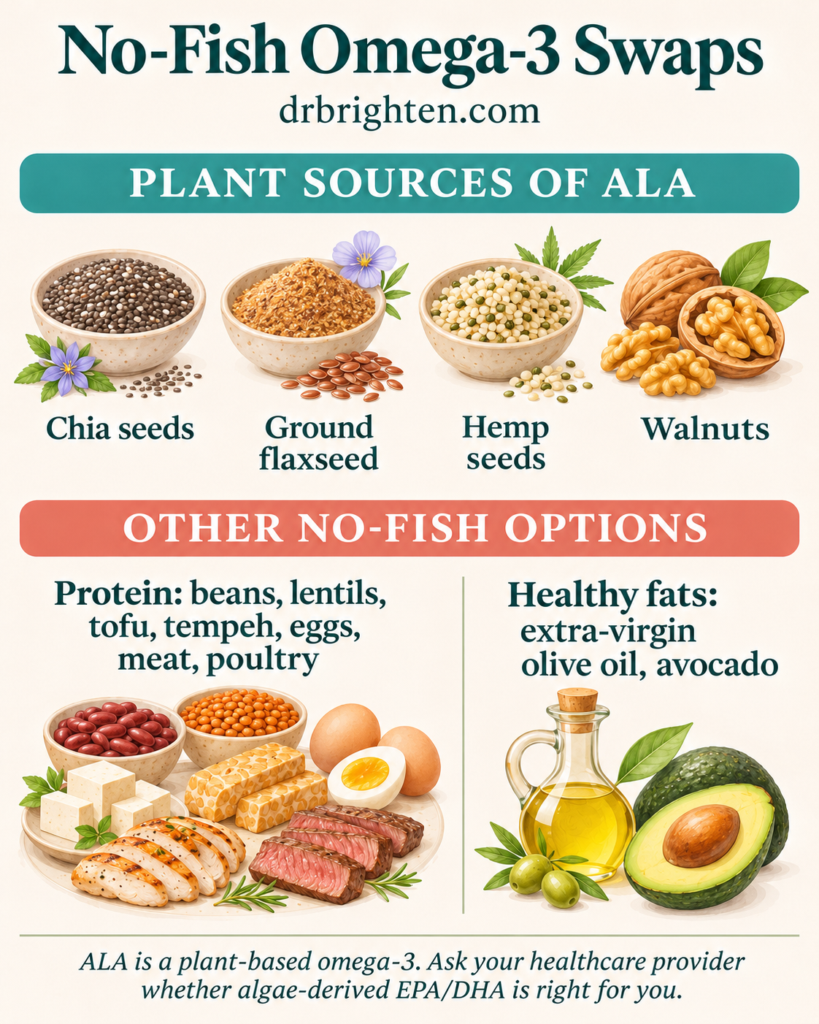
Absolutely. If you don’t like seafood, you’re a vegetarian, or you just don’t eat it often, you can follow an anti-inflammatory diet without fish. To get the healthy fats and protein you need, you can include foods such as:
- Walnuts
- Chia seeds
- Ground flaxseed
- Hemp seeds
- Extra-virgin olive oil
- Avocados
- Beans and lentils
- Soy foods such as tofu, tempeh, and edamame
- Eggs
- Meat and poultry
- Plenty of colorful vegetables and fruits
Chia, flax, hemp, and walnuts are especially helpful because they contain alpha-linolenic acid (ALA), a plant-based omega-3 that’s linked to benefits for healthy aging[9].
If you don’t consume fish, you can also talk with your healthcare provider about whether an algae-derived EPA/DHA supplement is appropriate for you.
Related:
Omega-9 Benefits for Women: Heart Health, Menopause, and How It Fits with Omega-3
Easy Anti-Inflammatory Diet Meal Ideas
The great thing about this type of diet is the flexibility and the fact that you don’t need complicated recipes to eat this way. Here are some anti-inflammatory diet meal ideas you can mix and match throughout the week.
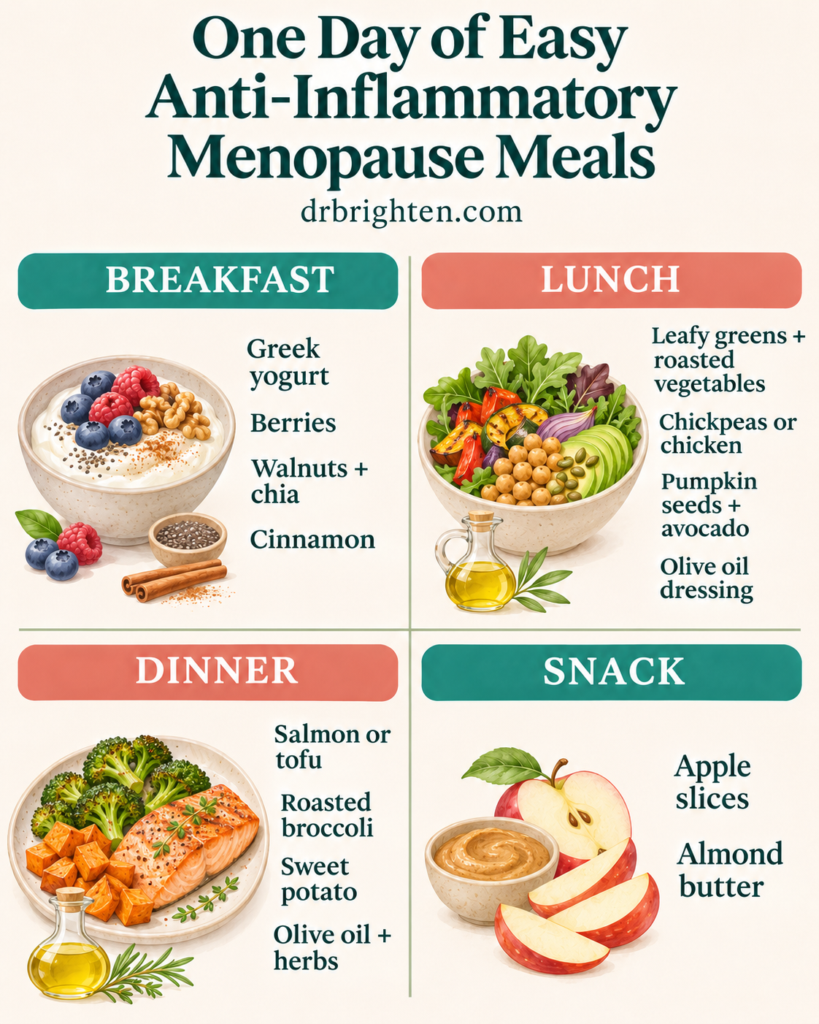
- Breakfasts: Greek yogurt with berries, walnuts, chia seeds, and cinnamon; or eggs with sautéed spinach and avocado, plus berries on the side.
- Lunches: A large salad with leafy greens, roasted vegetables, chickpeas or chicken, pumpkin seeds, avocado, and an olive oil-based dressing; or lentil soup with a side salad and a piece of whole-grain toast.
- Dinners: Salmon with roasted broccoli, sweet potato, and an olive oil and herb dressing; or chicken or tofu stir-fry with plenty of colorful vegetables served over brown rice or quinoa.
- Snacks: Apple slices with almond butter, vegetables with hummus, Greek yogurt with berries, or a handful of walnuts.
Related: Foods High in Polyphenols: Polyphenol-Rich Foods List, Health Benefits, and Best Sources
What Anti Inflammatory Diet Results Can You Expect?
I want to be careful here because “anti-inflammatory diet results” can easily become another wellness promise that gets ahead of the science.
You may notice improvements in fullness, digestion, energy, or blood sugar stability relatively quickly when you replace highly processed foods with protein-, fiber-, and nutrient-rich meals.
Changes in cholesterol, blood pressure, body composition, blood sugar, or inflammatory markers generally take longer and depend on your starting point, your overall diet, activity level, genetics, sleep, and other health factors.
And here’s something else I think women need to hear: the benefits of eating this way aren’t dependent on weight loss. In the PREDIMED trial mentioned above, participants weren’t put on a calorie-restricted diet, yet those following Mediterranean-style diets still experienced cardiovascular benefits.
Finally, while a nutritious diet supports health during menopause, it isn’t necessarily a replacement for appropriate treatment of significant menopause symptoms, such as bothersome vasomotor symptoms (like intense hot flashes). If you’re still having symptoms despite doing everything you can naturally to feel your best, like eating better, talk to your provider about options.
Related:
Menopause Fatigue Solved: Proven Ways to Reclaim Energy, Focus, and Vitality
Menopause Headaches: Why They Happen and How to Get Relief
Menopause Hair Thinning: Causes, Treatments & What Helps
My Clinical Perspective
I don’t want women entering menopause believing they suddenly need to eliminate gluten, dairy, carbohydrates, nightshades, or every food someone has declared “inflammatory.”
For most women, that’s unnecessary. Instead, start with the basics that have the strongest evidence.
- Eat enough protein
- Get plenty of different plants on your plate at most meals
- Prioritize fiber from whole foods
- Limit sugar and alcohol
- Choose healthy fats
- Keep ultra-processed foods from dominating your diet
- And pair good nutrition with strength training, walking, quality sleep, and stress support
Keep this in mind: an anti-inflammatory diet for women in menopause should make healthy eating feel simpler and sustainable, not more stressful.
Menopause is also a time when your long-term health deserves more attention. Cardiovascular and metabolic risks change as you age, which makes the quality of your diet increasingly important.
A Mediterranean-style pattern supports many of these areas at once, including your mood and cognitive abilities as you get older.
Related:
What Is the Best Multivitamin for Women Over 50?
The Bottom Line on an Anti Inflammatory Diet for Menopause
An anti-inflammatory diet menopause plan doesn’t need special foods, complicated rules, or a long list of things you’re forbidden to eat.
The best approach is a sustainable, Mediterranean-style pattern built around vegetables, fruit, protein like fish, fiber-rich carbohydrates, nuts, seeds, legumes, and olive oil.
Menopause can contribute to changes in inflammation, but hormones aren’t the only factor. Sleep, stress, muscle mass, body composition, exercise, alcohol, and your overall diet matter too.
Focus on the eating pattern you can maintain for years, not the “perfect” anti-inflammatory meal you can tolerate for two weeks. That’s where the real benefit comes from.
Frequently Asked Questions
There isn’t one official anti inflammatory diet for menopause; however, a Mediterranean-style diet is one of the best-studied approaches and emphasizes vegetables, fruits, legumes, whole grains, nuts, seeds, extra-virgin olive oil, quality protein, and omega-3-rich foods.
Menopause can often contribute to increased inflammation as estrogen levels decline, although aging, body composition, sleep, stress, physical activity, and diet also play a role. Research suggests the menopause transition itself may contribute to increases in systemic inflammation beyond the effects of aging alone.
Some of the best anti inflammatory foods for perimenopause include leafy greens, berries, cruciferous vegetables, beans, lentils, nuts, seeds, extra-virgin olive oil, whole grains, and fatty fish such as salmon and sardines. Protein-rich foods are especially important during perimenopause to help preserve muscle mass.
An anti-inflammatory diet for menopause weight loss can be a helpful framework because it emphasizes filling foods rich in protein, fiber, and healthy fats while limiting many highly processed foods. Strength training, regular movement, sleep, total calorie intake, and preserving muscle are other factors involved in body composition.
Yes. An anti-inflammatory diet without fish can include plant sources of omega-3 fats such as chia seeds, ground flaxseed, hemp seeds, and walnuts. You can also get healthy fats from extra-virgin olive oil and avocado and protein from beans, lentils, tofu, tempeh, eggs, and other foods you enjoy.
There’s no set timeline. Some women may notice changes in digestion, fullness, or energy within several weeks, while changes in cholesterol, blood sugar, body composition, or inflammatory markers can take longer.
You don’t need to eliminate specific foods to eat an anti-inflammatory diet. Instead, limit how often ultra-processed foods, processed meats, refined carbohydrates, foods high in added sugar, and excessive alcohol dominate your diet.