

Liver, heart, and kidney probably aren’t the first foods you think of when someone says “nutrient-dense,” yet they’re some of the best sources of vitamins and minerals[1].
Organ meats, also called offal, have been on dinner tables worldwide for generations, including in pâté, sweetbreads, and dishes like steak and kidney pie.
They’ve fallen out of favor in a lot of American kitchens, but more people are bringing them back, especially those who want more iron, vitamin B12, zinc, choline, and other nutrients that are easy to come up short on.
You're in ✦
Check your inbox. Day one is on its way.
Your ADHD Hormone & Brain Sync Guide is heading to your inbox now — look for it from Dr. Brighten in the next few minutes.

New Book · Out October 6, 2026
The full system behind the guide
These five days are the doorway. ADHD and Women is the whole map — the ADHD-Hormone Profile and what to do across every hormonal transition.
Pre-Order ADHD and WomenIn this article:
- Quick Answer: What Is Offal?
- What Is Offal Food?
- How Do We Define Organ Meats?
- What Are the 7 Organ Meats?
- Beef Organ Meats vs. Pork and Sheep Offal
- Offal Nutrition: Why Are Organ Meats So Nutrient-Dense?
- Is Offal Good for You? Benefits for Women’s Health
- Are There Risks to Eating Offal Organ Meats?
- How Often Should Women Eat Organ Meats?
- How to Start Eating Organ Meats
- What About Beef Organ Meat Supplements?
- My Clinical Perspective
- The Bottom Line on Offal Organ Meats
- Frequently Asked Questions About Offal
For women in particular, nutrient needs can change during menstruation, pregnancy, and other stages of life, and these foods can help cover them.
So is offal actually healthy? And does it offer anything you can’t get from a chicken breast or a steak? Below, you’ll find out.
This article will cover:
- What is offal?
- What is offal meat?
- Common types of offal organ meats
- What are the 7 organ meats?
- Beef organ meats and other animal sources
- Offal nutrition and health benefits
- Benefits of organ meats for women
- Potential risks and who should limit offal
- How to prepare and eat organ meats
- Frequently asked questions
Quick Answer: What Is Offal?
Offal refers to the edible internal organs and other parts of animals, including cattle, chicken, and sheep. It includes foods like chicken or beef liver, kidneys, and heart, which aren’t typically sold as standard “muscle-meat” cuts.
Offal organ meats—which also include tongue, brain, thymus, sweetbreads, tripe (stomach lining), intestines, and even blood—are very high in many nutrients[2] that we require from our diets, such as:
- Iron
- Vitamin A
- Vitamin B12 and other B vitamins
- Zinc
- Copper
- Selenium
- Choline
- And more
Organ meats can be valuable additions to a healthy diet[3], especially because you only need to eat small amounts for a big nutritional payoff. Liver, for example, is very concentrated in vitamin A, while heart provides B vitamins and other nutrients involved in energy metabolism.
What Is Offal Food?
Think of offal as the parts of an animal that aren’t typically included in a steak, chicken breast, or pork chops.
Offal can come from cattle, pigs, sheep, goats, poultry, and other animals. The word “offal” is a culinary and butchery term, not a description of nutritional quality.
Historically, eating organ meats was a practical way to use more of an animal while obtaining valuable nutrients[4]. Different cultures have their own traditional preparations, including liver pâté, beef heart stews, kidney dishes, tripe soups, and sweetbreads.
How Do We Define Organ Meats?
Organ meats generally refer to edible organs such as the liver, kidneys, heart, and brain.
However, offal is a broader category. It can also include other edible animal parts, such as tongue, stomach lining, and intestines.
That’s why the terms “offal organ meat” and “organ meat” are mostly used interchangeably, even though they aren’t always identical.
Related:
The Best and Worst Breakfast Foods for Hormone Health
What is The Best Diet for Perimenopause
What Are the 7 Organ Meats?
There’s no universal list of organ meats. However, these are seven common types of offal eaten around the world that are worth knowing about.
1. Liver
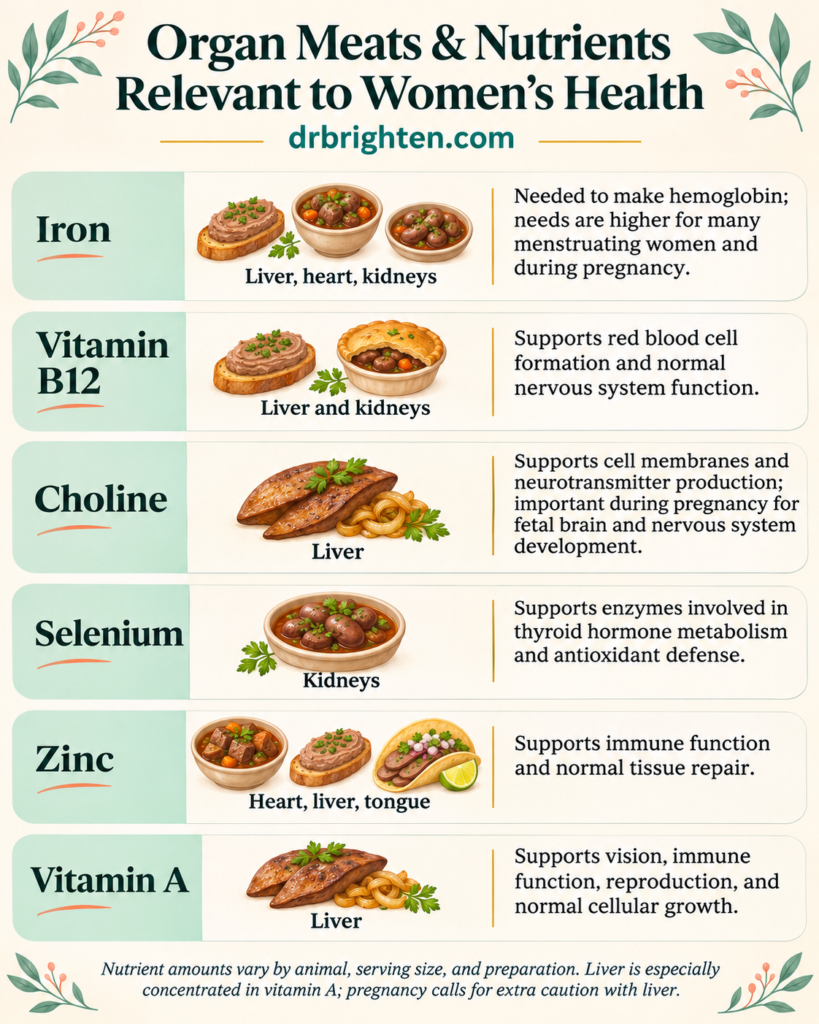
Liver is one of the most nutrient-dense organ meats[5], high in preformed vitamin A (retinol), vitamin B12, copper, riboflavin, folate, and iron.
These nutrients support everything from red blood cell formation to immune function and normal cellular growth. Because liver contains so much vitamin A, small portions are recommended, especially during pregnancy.
2. Heart
Heart is technically an organ, but nutritionally and structurally, it’s a type of muscle meat.
It’s a source of protein, vitamin B12, iron, zinc[6], and other B vitamins. Heart also contains coenzyme Q10 (CoQ10), a compound involved in mitochondrial energy production, although eating heart hasn’t been shown to provide the same clinical benefits as taking CoQ10 supplements in studies.
3. Kidneys
Kidneys provide protein, vitamin B12, riboflavin[7], selenium, and iron. Selenium is especially important for thyroid hormone metabolism and antioxidant defense.
Kidneys have a stronger flavor than conventional cuts of meat, so they’re often used in stews or combined with other ingredients to make them more palatable.
4. Brain
Brain is rich in fat and contains nutrients such as vitamin B12 and certain fatty acids.
However, brain tissue comes with food safety concerns, particularly from cattle and other animals susceptible to prion diseases. For that reason, I wouldn’t recommend brain as a practical first choice for someone interested in eating more organ meats.
5. Tongue
Tongue is commonly classified as offal, although it’s primarily muscle tissue. Beef tongue provides protein, vitamin B12, zinc, and iron. It’s often slow-cooked until tender and used in dishes such as tacos, stews, and braised meats.
6. Sweetbreads
Despite their name, sweetbreads aren’t bread or a dessert. Sweetbread offal, which is popular in places like Scotland, refers to the thymus gland or pancreas, usually from calves or lambs.
Sweetbreads provide protein and several vitamins and minerals[8], but their nutritional composition differs depending on the organ and animal source.
7. Tripe
Tripe is the edible lining of an animal’s stomach, usually from cattle. It’s used in traditional dishes around the world, including soups and stews. Tripe provides protein and certain micronutrients[9], although it generally isn’t as concentrated in vitamins and minerals as liver.
Beef Organ Meats vs. Pork and Sheep Offal
Beef organ meats are among the most widely available types in the United States. Offal beef products include beef liver, heart, kidneys, tongue, and tripe, which can be purchased through butcher shops, specialty meat suppliers, and some grocery stores.
What Is Pork Offal?
Pork offal includes edible organs and other parts of pigs, such as liver, heart, kidneys, tongue, and intestines. Pork liver is a great source of several B vitamins and iron. As with other pork products, proper handling and cooking are important to reduce the risk of foodborne illness.
What Is Sheep Offal?
Sheep offal refers to edible organs and other parts of sheep or lambs. Common examples include lamb liver, kidneys, heart, and sweetbreads.
Lamb organs can provide similar categories of nutrients to beef organs, although the exact amounts vary. The animal source makes a difference in the exact nutrients, but the specific organ often is an even bigger determinant of the nutritional composition.
Offal Nutrition: Why Are Organ Meats So Nutrient-Dense?
One of the biggest advantages of organ meats is that they provide substantial amounts of certain nutrients, even in relatively small portions.
Unlike muscle meat, which is composed of tissues that are responsible for movement, organs perform specialized metabolic functions, which means they store many nutrients.
The liver, for example, stores vitamin A and participates in the metabolism of many nutrients, which helps explain why liver contains unusually high concentrations of vitamins and minerals.
Here’s a general comparison of the nutritional strengths of common organ meats[10]:
- Liver: Rich in vitamin A, vitamin B12, folate, copper, and iron.
- Heart: Provides protein, vitamin B12, iron, zinc, and CoQ10.
- Kidneys: Good sources of vitamin B12, selenium, riboflavin, and iron.
- Tongue: Provides protein, vitamin B12, zinc, and iron.
- Sweetbreads: Contain protein, vitamin B12, selenium, and other minerals.
- Tripe: Provides protein, vitamin B12, and selenium.
Exact nutrient amounts depend on the animal, serving size, and preparation method. You can compare different types of organ meats using the USDA FoodData Central database[11].
Related:
How to Choose the Best Vitamin B Complex Vitamins
Is Offal Good for You? Benefits for Women’s Health
For women, the biggest potential benefits of organ meats are the nutrients they provide in natural, absorbable forms.
While we don’t have strong clinical evidence showing that eating liver or heart directly “balances hormones,” reverses menopause symptoms, or improves fertility, we do know that certain nutrients found in organ meats are essential for reproductive health, thyroid function, energy metabolism, and healthy aging.
Here’s more about how offal/organ meats can benefit women:
1. Organ Meats Provide Iron for Menstruating Women
Iron deficiency is a major nutritional concern for women, including those who experience heavy menstrual bleeding.
Iron is needed to make hemoglobin, the protein in red blood cells that transports oxygen throughout your body. When iron stores become depleted, women can experience fatigue, weakness, shortness of breath, and difficulty concentrating.
Organ meats like liver contain heme iron, a form of iron generally absorbed more efficiently than the non-heme iron found in plant foods.
The National Institutes of Health[12] (NIH) notes that adult women ages 19–50 need approximately 18 mg of iron daily, compared with 8 mg for most adult men. Requirements increase to 27 mg during pregnancy.
Organ meats can help increase dietary iron intake, although diagnosed iron deficiency or anemia may require supplementation and an evaluation for the underlying cause.
2. Vitamin B12 Supports Energy and Nervous System Health
Vitamin B12 is necessary for healthy red blood cell production, DNA synthesis, and neurological function.
Liver and kidneys are particularly great sources and can help counteract B12 deficiency, which can contribute to fatigue, anemia, numbness or tingling, and neurological symptoms.
Women following diets that restrict animal foods are at greater risk of inadequate B12[13] intake unless they’re using fortified foods or supplements.
Related:
Vitamin B12 Deficiency Impacts More Than Just Energy
Organ meats can provide B12, but they aren’t the only option. Fish, meat, eggs, dairy products, and fortified foods can also help meet your needs.
3. Choline Is Important for Pregnancy and Brain Health
Choline is a nutrient involved in cell membrane structure, neurotransmitter production, and methylation. It’s especially important during pregnancy because it contributes to fetal brain and nervous system development.
Liver is high in choline, which isn’t found in many other common foods, with the exception of eggs.
One randomized controlled study[14] involving pregnant women compared choline intakes of 480 mg and 930 mg daily during the third trimester. Infants born to mothers in the higher-choline group demonstrated faster information-processing speed during the first year of life.
However, because liver is also extremely rich in preformed vitamin A, pregnant women shouldn’t rely on frequent liver consumption to meet their choline needs. Eggs, meat, fish, and other foods can also provide choline without the same concentration of retinol.
Related: The Hidden Brain Risk Every Woman Over 30 Needs To Know with Max Lugavere
4. Selenium Supports Thyroid Function
Your thyroid depends on several nutrients, including selenium, iodine, iron, and zinc.
Selenium is required for enzymes[15] involved in converting thyroid hormone into its active forms and protecting thyroid tissue from oxidative damage.
Kidneys are one source of selenium, along with seafood, meat, eggs, and other foods.
This doesn’t mean eating kidneys will treat hypothyroidism or Hashimoto’s disease, but getting adequate selenium is part of supporting normal thyroid physiology.
Related: What to Eat for Thyroid Health + One Day Thyroid Meal Plan
5. Zinc and B Vitamins Support Healthy Aging
As women move through perimenopause and menopause, maintaining a healthy intake of nutrients including protein, calcium, and B vitamins is key for supporting muscle and bone maintenance, immune function, cellular metabolism, and normal tissue repair.
Heart, liver, and tongue provide several of these nutrients. Organ meats can be one component of a nutrient-dense diet during midlife, but they aren’t a specific treatment for menopausal symptoms.
Related: Colon Cancer Is Rising in Younger Adults — 5 Ways to Protect Yourself Now
6. Organ Meats Can Help Women Meet Nutrient Needs Without Large Portions
For women who have difficulty meeting their iron, B12, or other micronutrient needs through their usual diet, small portions of certain organ meats can make a meaningful contribution.
But nutritional concentration works both ways. The same liver that provides substantial amounts of B12 and iron can also provide far more vitamin A and copper than you need in a single day. That’s why variety and reasonable portions are more important than eating large amounts of liver regularly.
Related:
How Much Protein Should Women Have
Tips to Help With Menopause Weight Loss
Are There Risks to Eating Offal Organ Meats?
Yes, and this is where it’s important to remember that nutrient-dense doesn’t automatically mean you should try to eat large amounts.
Too Much Vitamin A:
Liver contains very high concentrations of preformed vitamin A, also called retinol. Vitamin A is essential for vision, immune function, reproduction, and cellular growth. But excessive amounts can accumulate in the body and cause toxicity.
For adults, the tolerable upper intake level for preformed vitamin A is 3,000 micrograms per day. A serving of beef liver can exceed that amount.
During pregnancy, excessive preformed vitamin A can increase the risk of birth defects. For that reason, women who are pregnant or planning pregnancy should be particularly cautious with liver and liver-based supplements.
High Copper Intake:
Beef liver is also extremely rich in copper, which is necessary for normal iron metabolism, connective tissue formation, and nervous system function, but potentially harmful when eaten in excessive amounts.
Women who regularly eat liver and also take organ supplements might unintentionally consume more copper than they need.
Cholesterol and Purines:
Some organ meats are high in cholesterol and purines, which are compounds that are broken down into uric acid. For women with gout or certain disorders of uric acid metabolism, frequently eating organ meats may not be appropriate.
Cholesterol from food is more complicated. It doesn’t affect everyone’s blood cholesterol levels equally, but women with elevated LDL cholesterol or cardiovascular risk factors should consider organ meats within the context of their overall diet.
Food Safety:
Organ meats need to be sourced, stored, and cooked properly.
The USDA recommends cooking beef organ and variety meats, including liver, heart, kidneys, and tongue, to an internal temperature of 160°F (71°C).
I would also avoid brain and other high-risk nervous-system tissues because of concerns about prion diseases, which are rare but serious.
How Often Should Women Eat Organ Meats?
There’s no official recommendation requiring women to eat organ meats. If you enjoy them, including modest portions occasionally can add nutritional variety.
For liver specifically, I generally prefer small, infrequent servings rather than large portions several times a week, because vitamin A and copper can add up quickly.
Heart and tongue can be used more like other meats, while liver deserves additional attention to portion size.
And if you’re already taking a multivitamin, prenatal vitamin, or beef organ supplement, consider how much vitamin A and copper you’re getting from those products before adding more liver.
Related: Daily Protein Intake for Women: Why You Don’t Need 200 Grams (And What to Do Instead)
How to Start Eating Organ Meats
If you’ve never tried offal before, there’s no need to begin with a large serving of plain liver.
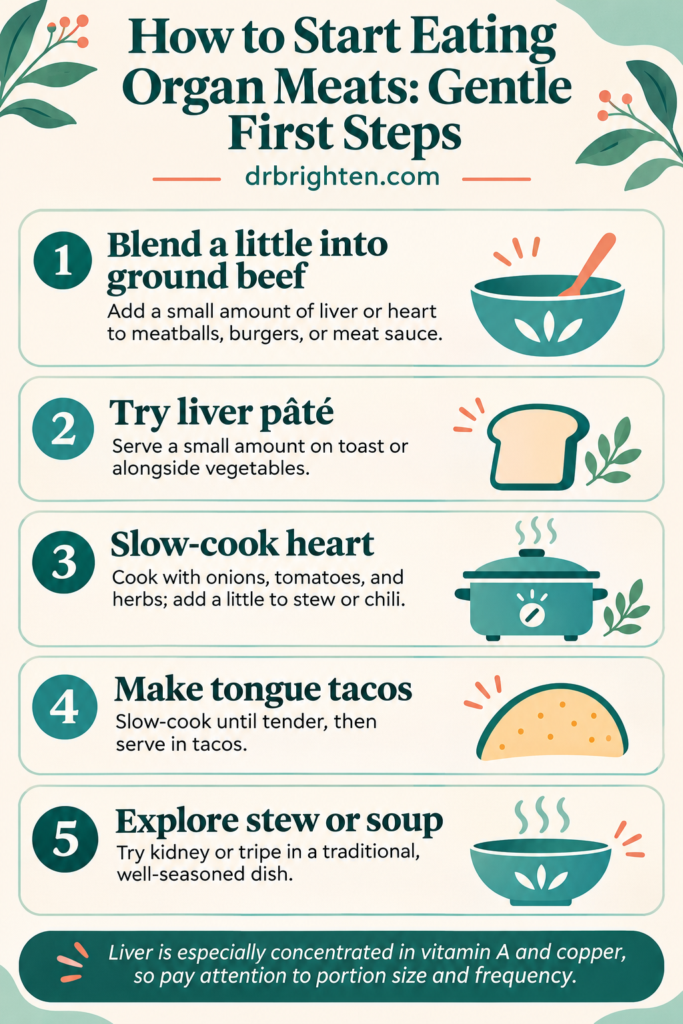
Starting with familiar flavors can make organ meats easier to enjoy. You can also buy blended ground beef products containing small amounts of liver or heart. These can be a practical way to introduce organ meats without needing to prepare each organ separately.
Here are a few approachable ways to experiment:
- Mix a small amount of finely chopped liver into ground beef for meatballs, burgers, or meat sauce.
- Try a liver pâté served with sourdough toast or vegetables.
- Slow-cook beef heart with onions, tomatoes, and herbs.
- Add small pieces of heart to chili or stew.
- Try beef tongue in tacos or other slow-cooked dishes.
- Look for traditional recipes that use tripe, kidneys, or sweetbreads.
What About Beef Organ Meat Supplements?
Beef organ supplements are powders or capsules that contain freeze-dried or desiccated beef organs, sometimes combining liver, heart, kidneys, spleen, and other tissues.
They can provide certain vitamins and minerals, but their nutritional value depends on the organs included, the amount of each ingredient, how they’re processed, and the serving size.
It’s also important to recognize that supplements haven’t been shown to reproduce every potential benefit of eating whole organ meats.
If you choose a supplement, look for transparent labeling, meaningful nutrient information, and independent quality testing.
Be careful with liver-based supplements during pregnancy because of their preformed vitamin A content.
My Clinical Perspective
I think organ meats deserve more attention than they typically receive in modern nutrition conversations.
For most women, I’d think of organ meats as an optional addition to a varied diet that includes sufficient protein, vegetables, fruits, fiber-rich foods, and healthy fats.
For women who struggle to meet their iron, B12, or other micronutrient needs, foods like liver, heart, and kidneys can offer concentrated nutrition in relatively small portions.
But I also don’t think we should turn organ meats into another wellness trend where more is automatically considered better. Your body needs adequate nutrients, not excessive amounts.
And while the nutritional benefits of organ meats are well established, we still need more research examining whether regularly eating them improves specific outcomes in women, such as fertility, hormonal symptoms, energy, or menopausal health.
The Bottom Line on Offal Organ Meats
Offal organ meats include the edible organs and other less commonly consumed parts of animals, such as liver, heart, kidneys, tongue, sweetbreads, and tripe.
These foods can provide concentrated amounts of important nutrients, including iron, vitamin B12, choline, selenium, zinc, and vitamin A. For women, these nutrients are particularly relevant during menstruation, pregnancy, and healthy aging.
However, organ meats aren’t a cure for hormonal imbalances or nutrient deficiencies, and certain varieties, particularly liver, require attention to portion size.
If you enjoy them and can include them safely, organ meats can be a valuable part of a nutrient-dense diet.
Frequently Asked Questions About Offal
Offal refers to edible animal organs and other parts that aren’t typically sold as standard cuts of muscle meat. Common examples include liver, kidneys, heart, tongue, tripe, and sweetbreads.
Offal meat is another term for edible animal organs and other variety meats. It can come from cattle, pigs, sheep, poultry, and other animals.
Seven common types are liver, heart, kidneys, brain, tongue, sweetbreads, and tripe. However, there’s no official list of exactly seven organ meats, and some of these are classified more broadly as offal rather than organs.
Yes, many types of offal are rich in essential vitamins, minerals, and protein. However, nutritional composition varies significantly by organ, and some, particularly liver, should be eaten in moderation because of their high vitamin A and copper content.
Organ meats can help women obtain nutrients involved in red blood cell formation, thyroid function, nervous system health, and pregnancy. Iron, vitamin B12, choline, and selenium are particularly relevant. However, organ meats aren’t necessary for good health, and their benefits depend on your overall nutritional needs.
Beef liver, heart, and kidneys are nutrient-dense choices, but each provides different nutrients. Liver is particularly rich in vitamin A, B12, iron, and copper. Heart provides protein, B vitamins, and minerals, while kidneys are good sources of B12 and selenium.
Sweetbreads are the thymus gland or pancreas of an animal, usually a calf or lamb. They’re considered a delicacy in several cuisines and are commonly sautéed, roasted, or braised.
Salted offal refers to organ meats or other edible animal parts that have been preserved or seasoned with salt. The term can describe different preparations depending on the cuisine, including salted or cured intestines and other variety meats. Because these products may contain substantial sodium, it’s worth checking how they’re prepared.
Some organ meats can provide useful nutrients during pregnancy, but liver requires particular caution because it’s extremely rich in preformed vitamin A. Excessive vitamin A intake during pregnancy can harm fetal development. Pregnant women should discuss liver and organ-based supplements with their prenatal healthcare provider.
Beef organ supplements may provide certain nutrients found in whole organs, but amounts vary considerably between products. Whole organ meats also provide protein and a broader food matrix. There isn’t strong evidence showing that organ supplements offer the same benefits as eating whole organ meats.