


New research has shown that IUDs offer protection against cervical cancer.
You're in ✦
Check your inbox. Day one is on its way.
Your ADHD Hormone & Brain Sync Guide is heading to your inbox now — look for it from Dr. Brighten in the next few minutes.
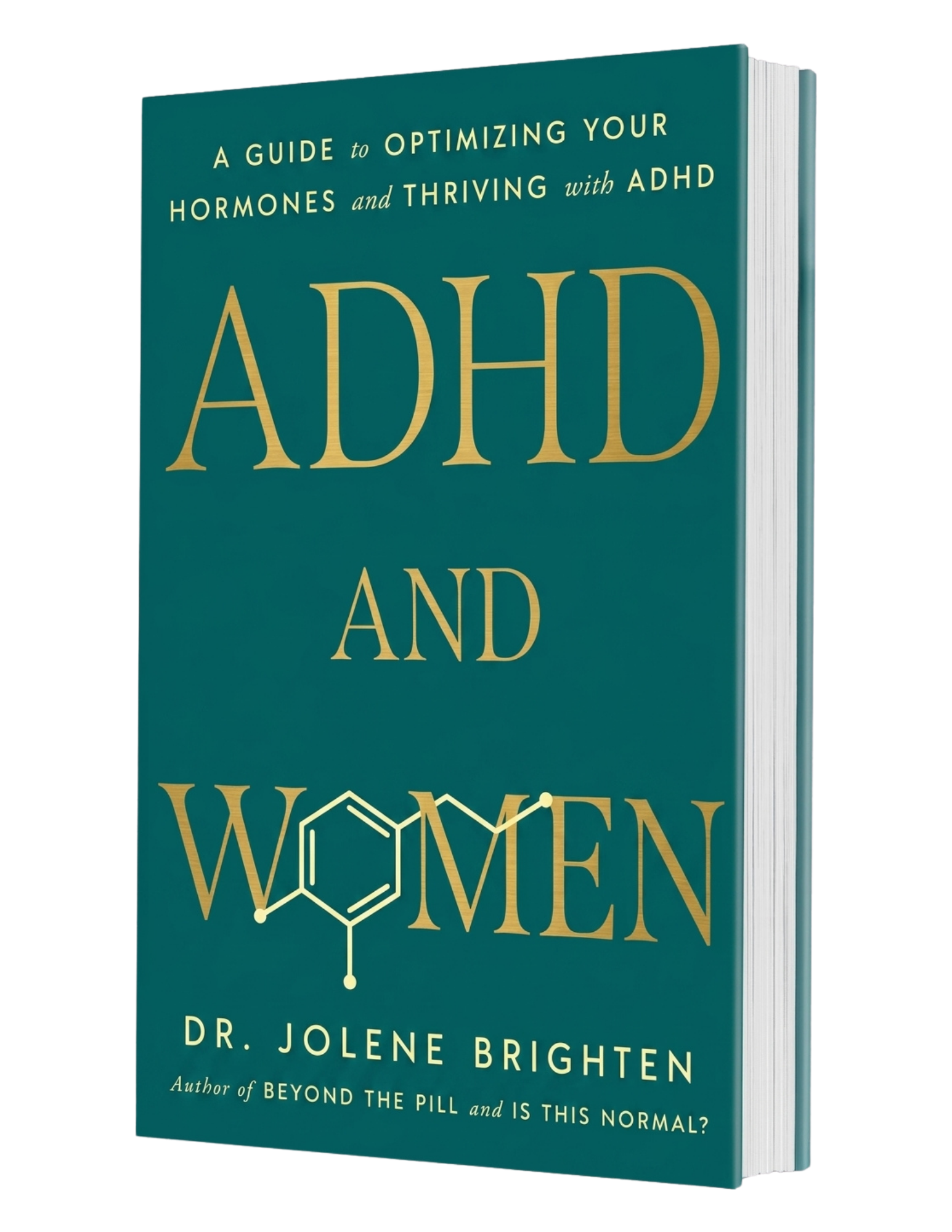
New Book · Out October 6, 2026
The full system behind the guide
These five days are the doorway. ADHD and Women is the whole map — the ADHD-Hormone Profile and what to do across every hormonal transition.
Pre-Order ADHD and WomenIUDs Offer Protection Against Cervical Cancer
Intrauterine devices or IUDs are a form of birth control that may be beneficial in reducing cervical cancer by 45 percent when compared to women who have never used one, a large literature review has found.
The review, published in the Lancet Oncology, explains that the benefits can be detected within the first year and effects may remain for up to 10 years.
Women utilizing IUDs were equally as likely to be infected with human pappilomavirus (HPV), the most common cause of cervical cancer, as those women without the contraceptive. HPV is also the most common sexually transmitted infection. You can read more about HPV here.
How Can IUDs Offer Protection Against Cervical Cancer?
One possible explanation for the decrease in cervical cancer is immune cell stimulation. It is thought that these cells may be stimulated by the IUD to become active against HPV and prevent the virus from causing cancer to the cervix.
HPV is still one of the greatest risk factors for developing cervical cancer. IUDs do not protect against HPV infection. Women should speak with their health care practitioner about regular screening exams for both HPV and cervical cancer.
IUD Side Effects
It’s important to note that IUDs are not without their own side effects. You can read about IUD side effects here. It is important to discuss with your doctor your individual risk factors to decide if an IUD is right for you.