
Anyone who has endometriosis knows that it's more than simply a “period problem.” It’s a complex, inflammatory, hormone-driven condition that affects the immune system, gut, nervous system, and energy production. That’s why many people with endo find that their pain, fatigue, bloating, mood changes, and brain fog persist even outside of their cycle.
While supplements are not a cure for endometriosis, the right ones can support inflammation, estrogen metabolism, gut health, and pain signaling. In fact, targeted nutrition is often one of the most helpful tools for managing endometriosis1 alongside medical care.
If you’re wondering what supplements are good for endometriosis and worth your investment, this guide breaks down the best ones clearly and practically.
TL;DR: The best supplements for endometriosis support inflammation reduction, estrogen metabolism, gut health, and nervous system regulation. The most evidence-supported options include NAC, omega-3 fatty acids, magnesium glycinate, probiotics, curcumin, and targeted hormone support formulas. Physician-formulated supplements that are third-party tested, manufactured in GMP-certified facilities, and produced in the U.S. are preferred for purity, dosing accuracy, and clinical relevance.
In this article:
- How Supplements Support Endometriosis
- Key Drivers of Endometriosis and Nutritional Targets
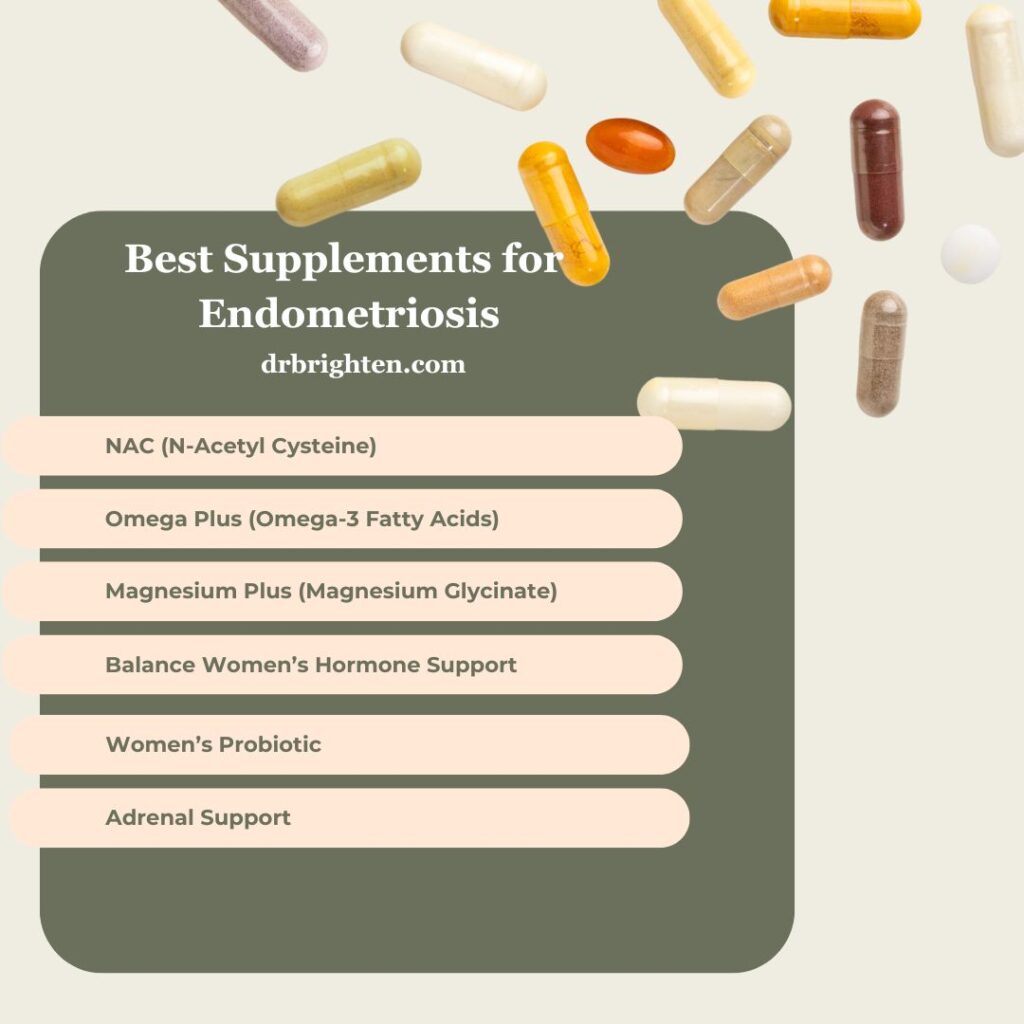
- The Best Supplements for Endometriosis
- Which Endometriosis Supplement May Help You Most?
- Putting It All Together: A Smart Supplement Strategy
- Why Physician-Formulated Supplements Matter for Endometriosis
- Frequently Asked Questions About Endometriosis Supplements
- Key Takeaways on the Best Endometriosis Supplements
How Supplements Support Endometriosis
Before we cover the best supplements for endometriosis, it helps to have some background information about the causes of endometriosis and how it develops in the body.
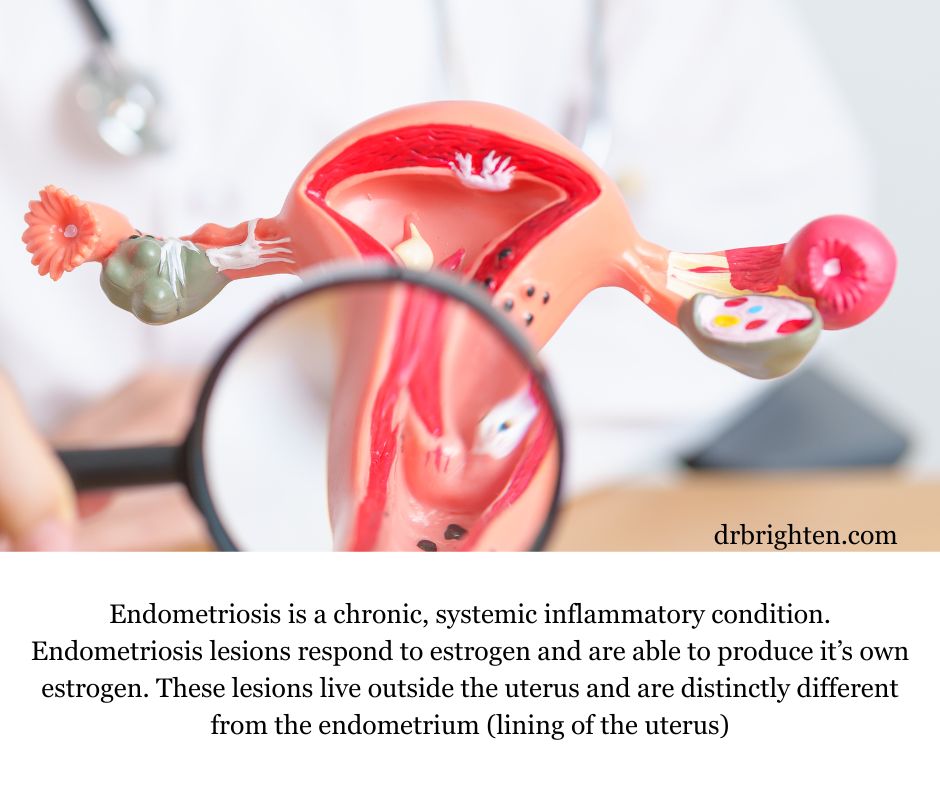
Endometriosis (often called endo) is a chronic inflammatory condition where tissue similar to the uterine lining grows outside the uterus. Common endo symptoms include pain, hormonal disruption, inflammation, and indigestion that can extend beyond the menstrual cycle.
Endometriosis is caused by mechanisms including:
- Chronic inflammation
- Estrogen dominance or impaired estrogen clearance
- Immune dysregulation
- Oxidative stress
- Gut and microbiome imbalance
- Nervous system sensitization and pain signaling
That means that the most effective supplements for endometriosis tend to fall into a few key categories:
Anti-inflammatory supplements for endometriosis:
A big trigger of endometriosis is chronic, systemic inflammation, not just inflammation during menstruation. Anti-inflammatory nutrients, such as omega-3s, help calm inflammatory signaling pathways that contribute to pain, lesion activity, and tissue irritation throughout the cycle.
Antioxidants that help reduce oxidative stress:
Endometriosis is associated with elevated oxidative stress, which can worsen inflammation and tissue damage. Antioxidants, such as resveratrol, can help neutralize free radicals and support cellular repair, creating an internal environment that is less supportive of disease progression.
Nutrients that support estrogen metabolism:
Many people with endometriosis struggle with impaired estrogen clearance rather than estrogen production alone. Nutrients that support liver detoxification and healthy estrogen metabolism, such as DIM, along with botanicals like vitex that support hormonal signaling, can help reduce estrogen recirculation and promote hormonal balance.
Gut-supportive probiotics:
The gut plays a direct role in hormone balance through the estrobolome, a group of bacteria involved in estrogen metabolism. Supporting a healthy microbiome with probiotics can improve estrogen clearance, reduce gut-driven inflammation, and strengthen immune regulation, all of which are important in endometriosis.
Minerals that calm pain pathways and muscle tension:
Chronic pain conditions like endometriosis often involve heightened nervous system sensitivity and muscle tension. Minerals such as magnesium help relax smooth muscle, support nerve signaling, and reduce pain amplification that can occur over time.
Adaptogens that support stress and fatigue:
Living with endometriosis places ongoing stress on the nervous system and adrenal response. Adaptogens help improve stress resilience, support energy production, and prevent stress-related hormonal and inflammatory flares that can worsen symptoms.
That said, endometriosis often requires a treatment plan that can potentially include medical treatment, medication, lifestyle changes, and sometimes surgery if needed—meaning supplements work best as part of that larger picture, not taken in isolation.
Now, let’s walk through the most evidence-supported options.
Related:
Endometriosis Diet That Stopped 20 Years of Pain with Khush Sra
Key Drivers of Endometriosis and Nutritional Targets
| Primary Symptom or Driver | Supplement to Consider | Why It’s Used in Endometriosis |
| Pelvic pain, ovarian endometriomas, high oxidative stress | NAC (N-Acetyl Cysteine) | Supports glutathione production, reduces oxidative stress, calms inflammatory signaling, and has been shown to reduce endometrioma size and pain in clinical studies2 |
| Inflammatory pelvic pain, cramping, prostaglandin-driven symptoms | Omega Plus (Omega-3 Fatty Acids) | Helps shift inflammatory prostaglandins, supports immune regulation, and reduces pain signaling |
| Cramping, muscle tension, poor sleep, anxiety | Magnesium Plus (Magnesium Glycinate) | Relaxes smooth muscle, modulates pain pathways, supports nervous system regulation and sleep |
| Estrogen driven symptoms, heavy or painful periods | Balance Women’s Hormone Support | Supports estrogen metabolism, antioxidant protection, and detoxification pathways |
| Stress-triggered flares, chronic fatigue, poor stress tolerance, cortisol dysregulation due to ongoing inflammation | Adrenal Support | Supports cortisol rhythm regulation, stress resilience, and pain sensitivity |
| Bloating (“endo belly”), digestive symptoms, estrogen recirculation | Women’s Probiotic | Supports gut barrier integrity, immune balance, and estrogen clearance via the estrobolome |
The Best Supplements for Endometriosis
1. NAC for Endometriosis: Pain Reduction, Lesion Size, and Fertility Support
NAC is one of the most studied and promising supplements for endometriosis, largely because of its role in supporting glutathione, the body’s primary antioxidant.
In people with endometriosis, oxidative stress and inflammation tend to be elevated, which can worsen pain and contribute to lesion activity. NAC helps reduce oxidative stress in endometrial tissue by increasing glutathione availability, and can also calm inflammatory signaling, support immune balance, and assist liver pathways involved in estrogen detoxification.
Research on NAC and endometriosis shows that NAC supplementation can help:
- Reduce the size of ovarian endometriomas
- Decrease pelvic pain
- Lower the likelihood of needing surgical intervention in some women
One study3 found that oral NAC improved endometriosis-related pain and the size of endometriomas (ovarian cysts caused by endometriosis), while also improving fertility outcomes. Findings from another study suggest that a combination of NAC, alpha lipoic acid, and bromelain could contribute to significant improvements in endometriosis-associated pelvic pain.
Who can potentially benefit most:
- Those with pelvic pain or ovarian endometriomas
- People with high inflammation or oxidative stress
- Anyone experiencing endometriosis fatigue
- Those struggling with fertility
NAC (N-Acetyl Cysteine): Oxidative Stress & Lesion Activity
NAC may be especially helpful if you experience:
- Persistent pelvic pain or ovarian endometriomas
- High inflammation, oxidative stress, or immune activation
- Endometriosis-related fatigue or fertility challenges
N-acetyl cysteine supports glutathione production, helping reduce oxidative stress and calm inflammatory signaling. Research shows NAC may reduce the size of ovarian endometriomas, lower pelvic pain, and influence immune and estrogen-detoxification pathways involved in endometriosis progression.
2. Omega-3 Fatty Acids for Endometriosis Inflammation, Pelvic Pain, and Prostaglandin Balance
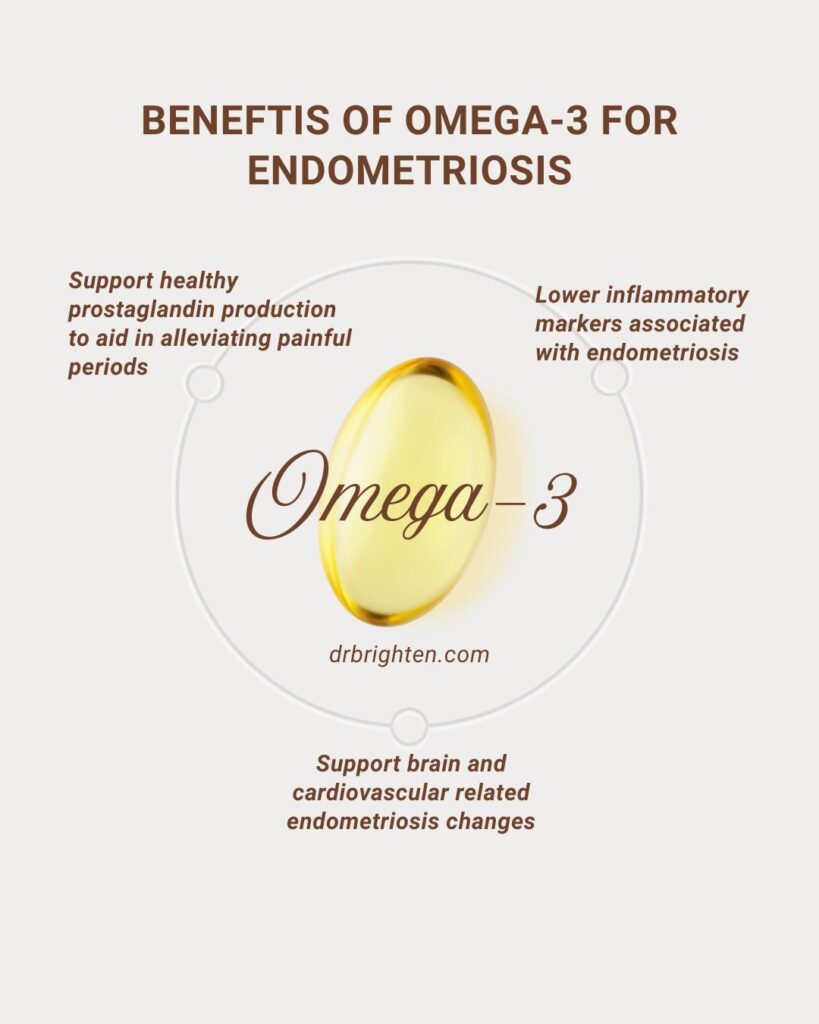
Omega-3 fatty acids are a foundational supplement for endometriosis because they influence inflammation and pain signaling. Endometriosis lesions produce inflammatory prostaglandins that contribute to cramping, pelvic pain, and tissue irritation, but studies suggest omega-3s can help shift the body away from this inflammatory state4.
EPA and DHA, the active components in omega-3s, help support immune regulation and help reduce the inflammatory cascade associated with endometriosis. They also offer benefits for mood and brain health, which are often affected in chronic pain conditions.
In a systematic review5 of 19 studies, omega-3 fatty acids and resveratrol were found to help reduce inflammation and processes involved in endometriosis severity, including abnormal blood vessel growth and tissue proliferation.
Research on omega-3 supplements for endometriosis shows they can help:
- Reduce pelvic pain and menstrual cramps
- Lower inflammatory markers associated with endometriosis
- Improve overall pain severity and quality of life
Who can benefit most from omega-3s, such as Omega Plus:
- Those with moderate to severe pelvic pain
- People with inflammation-driven symptoms
- Anyone experiencing mood changes alongside endometriosis
Omega Plus: Inflammation & Prostaglandin Balance
Omega Plus may be especially helpful if you experience:
- Moderate to severe pelvic pain or inflammatory cramping
- Pain that worsens around menstruation or ovulation
- Mood changes or brain fog alongside chronic inflammation
Omega-3 fatty acids help counter inflammatory prostaglandins, support immune regulation, and reduce inflammatory signaling involved in endometriosis pain and lesion activity.
3. Turmeric (Curcumin) for Endometriosis Inflammation, Immune Activation, and Lesion Activity
Turmeric is one of the most researched herbal supplements for endometriosis, thanks to its active compound, curcumin. Curcumin helps modulate inflammatory pathways that are overactive in endometriosis, including those involved in pain and immune activation.
In addition to reducing inflammation, curcumin supports liver detoxification and can influence estrogen signaling. This makes it particularly useful for people whose endometriosis symptoms flare alongside hormonal shifts.
Research on curcumin and endometriosis suggests it can help:
- Reduce inflammatory pain signaling
- Lower pro-inflammatory cytokines
- Support immune regulation without the gut irritation associated with long-term NSAID use
One review6 found that curcumin helped support endometriosis by reducing inflammation and oxidative stress while also influencing processes involved in lesion growth, adhesion, and abnormal blood vessel formation. Another study7 showed that curcumin was able to suppress the proliferation of endometrial cells.
Who can benefit most:
- Those with inflammatory pain and cramping
- People looking for herbal anti-inflammatory support
- Anyone sensitive to frequent NSAID use
For best results, turmeric should be taken in a bioavailable form (with black pepper extract or phytosomal delivery).
4. Magnesium Glycinate for Endometriosis Pain, Cramps, and Sleep
If cramps, muscle tension, headaches, poor sleep, or anxiety are part of your experience, magnesium is a supplement to strongly consider adding to your routine.
Magnesium glycinate for endometriosis can often help manage symptoms because magnesium supports:
- Muscle relaxation (including the uterine muscle)
- Nervous system regulation
- Pain modulation
- Sleep quality
- Stress resilience
The form called magnesium glycinate, the type found in Magnesium Plus, is especially helpful because it’s absorbable and well-tolerated (less likely to cause an upset stomach) and calming.
Is there a link between endometriosis and magnesium deficiency? Some studies indicate there is8, or at least that higher consumption of magnesium lowers the risk of endo.
One particular review9 states that magnesium can support endometriosis by relaxing smooth muscle, reducing spasmodic uterine and fallopian tube contractions, and potentially influencing inflammatory and angiogenesis-related pathways involved in disease development.
People with chronic inflammation and stress also often burn through magnesium more quickly, which is yet another reason why supplementation is a good idea.
Magnesium Plus: Nervous System & Pain Support
Magnesium Plus may be especially helpful if you experience:
- Cramping or muscle-based pelvic pain related to endometriosis
- Poor sleep, anxiety, or restlessness alongside pain flares
- Headaches, jaw tension, or nervous system overactivation
Magnesium glycinate supports smooth muscle relaxation, pain modulation, and nervous system regulation—key factors in endometriosis-related pain amplification and sleep disruption.
5. Probiotics for Endometriosis: Gut Health, Estrogen Clearance, and Pain
The gut is a central player in estrogen metabolism through the estrobolome, a group of bacteria involved in regulating estrogen recycling. When the gut microbiome is imbalanced, estrogen can be reabsorbed rather than eliminated, which can potentially worsen endometriosis symptoms.
Research10 also shows that endometriosis is associated with gut microbiome imbalances and increased intestinal permeability, and early studies11 indicate that probiotics may help reduce inflammation, improve gut-related symptoms, and ease endometriosis-associated pain.
A targeted women’s probiotic, such as my Women's Probiotic formula, supports gut and immune health while also promoting healthier estrogen clearance.
Research on probiotics and endometriosis suggests they can help:
- Support hormone metabolism and balance
- Reduce gut-driven inflammation
- Improve digestive symptoms (such as intense bloating associated with “endo belly“)
- Reduce pain12
Who can benefit most:
- Those with bloating, constipation, or digestive discomfort
- People with signs of estrogen dominance
- Anyone with a history of antibiotic use
Women’s Probiotic: Gut, Estrogen & Immune Regulation
Women’s Probiotic may be especially helpful if you experience:
- “Endo belly,” bloating, constipation, or digestive discomfort
- A history of antibiotic use or gut imbalance
- Symptoms of estrogen recirculation or immune-driven inflammation
Targeted probiotic support helps optimize the estrobolome, strengthen gut barrier integrity, and reduce gut-driven inflammatory signaling.
6. Balance: Targeted Hormone & Nutrient Support
When it comes to choosing a multivitamin or foundational supplement for endometriosis, “more” is not better. Those with endometriosis benefit from targeted support for hormone metabolism, antioxidant protection, and nutrient repletion, not megadoses of everything.
Balance Women's Hormone Support is formulated to support hormone balance by providing herbs and nutrients that help the body process and eliminate excess estrogens. It includes:
- Chaste tree berry (Vitex) and polygonum, herbs traditionally used to support healthy hormonal signaling
- DIM to support beneficial estrogen metabolism and aromatase activity
- Calcium-D-glucarate to promote proper estrogen elimination, which is especially important for people with endometriosis
- Antioxidant protection through resveratrol to support cellular health13
- B vitamins, including B6, B12, and folate, which are involved in cell differentiation and methylation pathways
- Magnesium and calcium to support bone health, muscle function, and overall hormone balance
Who can benefit most:
- Those with signs of estrogen dominance or impaired estrogen clearance
- People looking for targeted hormonal and antioxidant support rather than a generic multivitamin
- Anyone managing endometriosis alongside fatigue, hormonal imbalance, or nutrient depletion
Findings from one case-controlled study14 showed that intakes of calcium, potassium, vitamins B12, B2, B6, and C are inversely related to the risk15 of endometriosis—meaning the more you consume of these nutrients, the better protection you have.
This makes Balance a strong option when discussing endometriosis and vitamins, especially if labs show deficiencies or symptoms suggest nutrient depletion.
Balance Women’s Hormone Support: Estrogen Metabolism & Detox Pathways
Balance Women’s Hormone Support may be especially helpful if you experience:
- Signs of estrogen dominance (heavy or painful periods, breast tenderness, bloating)
- Endometriosis symptoms that worsen with hormonal shifts
- A history of poor estrogen clearance or sluggish detoxification
Balance provides targeted support for estrogen metabolism, antioxidant protection, and nutrient repletion—rather than blanket hormone “balancing.”
7. Adrenal Support for Endometriosis Fatigue, Stress-Triggered Flares, and Pain Sensitivity
Living with endometriosis is physically and emotionally taxing. Chronic pain, inflammation, and sleep disruption cause a lot of ongoing stress, which impacts the nervous system and adrenals. That's why extra adrenal support matters and can make a real difference.
Adrenal-supportive supplements, such as those containing adaptogens like ashwagandha and holy basil, can help:
- Improve energy and fatigue resistance
- Support healthy cortisol rhythms
- Reduce stress-related pain and inflammatory responses16
- Help with sleep, pain tolerance, mood, and relaxation
Who can benefit most:
- Those experiencing chronic fatigue or burnout
- People with stress-triggered symptom flares
- Anyone struggling with sleep disruption or anxiety
Adrenal Support, specifically, is made with a blend of adaptogenic herbs and key nutrients—like Rhodiola, B vitamins, and ashwagandha—that have been traditionally used to help the body adapt to occasional stress.
For example, studies show ashwagandha can help support healthy cortisol levels and perceived stress and anxiety17, which may indirectly reduce stress-related inflammatory flares and exhaustion.
Adrenal Support: Stress, Fatigue & Pain Flares
Adrenal Support may be especially helpful if you experience:
- Chronic fatigue or burnout related to ongoing pain
- Stress-triggered endometriosis flares
- Difficulty tolerating pain during periods of poor sleep or high stress
Adaptogens and adrenal-supportive nutrients help regulate cortisol rhythms, improve stress resilience, and reduce stress-driven inflammatory amplification.
8. Other Herbal Supplements for Endometriosis
When people search for herbal endometriosis supplements, they’re often looking for gentler options or alternatives to painkillers and medications. In addition to turmeric, herbs that are sometimes used to calm endo symptoms include:
- Ginger, which is anti-inflammatory and naturally pain-modulating, plus helpful for decreasing nausea
- Boswellia (also called frankincense), which supports inflammatory pathways
- Vitex, which can help support hormone balance in some cases
Herbal supplements can be helpful, but they work best when combined with foundational nutrients and lifestyle support.

Which Endometriosis Supplement May Help You Most?
| Primary Symptom | Supplement to Consider |
| Cramping, pain, poor sleep | Magnesium Plus |
| Cramping, body aches, flu-like symptoms with your period | Omega Plus |
| Poor estrogen metabolism, worsening symptoms around ovulation through period | Balance |
| Stress-related flares, fatigue, cortisol dysregulation | Adrenal Support |
| Bloating, gut issues, estrogen recirculation | Women’s Probiotic |
| Pelvic pain, ovarian endometriomas, high oxidative stress | N-acetyl cysteine (NAC) |
Putting It All Together: A Smart Supplement Strategy
Endometriosis is driven by multiple overlapping pathways—including inflammation, estrogen metabolism, oxidative stress, gut–immune dysfunction, and nervous system sensitization. Because of this, supplements are most effective when used strategically and sequentially, rather than all at once.
A smart approach focuses on building a foundation first, then layering in targeted support based on symptoms and response.
Step 1: Establish a Foundation for Endometriosis Support
These foundational supplements address the most common underlying drivers of endometriosis and are often well-tolerated as a starting point:
- Omega-3 fatty acids to help reduce inflammatory prostaglandins and immune activation
- Magnesium (ideally glycinate) to support muscle relaxation, pain modulation, sleep, and nervous system regulation
- Probiotics to support gut health, estrogen clearance, and immune balance
- NAC to help with pain, endometrioma management, and inflammation
- A targeted multivitamin or hormone-support formula to address nutrient depletion and estrogen metabolism
Starting here helps stabilize inflammation, support detoxification pathways, and reduce baseline symptom burden before adding more targeted interventions.
Step 2: Add Targeted Anti-Inflammatory and Antioxidant Support
Once a foundation is in place—or if inflammation and pain remain prominent—additional support may be layered in based on symptoms:
- Turmeric (curcumin) to further downregulate inflammatory pathways and immune activation
- Adaptogens (such as those found in Adrenal Support) to improve stress resilience, support cortisol regulation, and reduce stress-triggered symptom flares
- Additional antioxidants if labs or symptoms suggest elevated oxidative stress
These supplements are best added gradually, allowing time to assess tolerance and symptom response.
Step 3: Individualize Based on Hormones, Gut Health, and Stress Load
Endometriosis is highly individual. Some people benefit most from deeper support in specific areas, such as:
- Hormone metabolism support if symptoms worsen with hormonal shifts
- Gut-focused support if bloating, constipation, or “endo belly” are prominent
- Nervous system and stress support if fatigue, poor sleep, or stress exacerbate pain
This is where physician-formulated supplements are especially valuable, as they are designed with appropriate dosing, bioavailable forms, and endometriosis-relevant pathways in mind.Key Takeaway: There is no one-size-fits-all supplement protocol for endometriosis. The most effective strategy is intentional, layered, and symptom-driven, using high-quality supplements that support the body’s inflammatory, hormonal, gut, and nervous system pathways—while reassessing and adjusting over time.
Why Physician-Formulated Supplements Matter for Endometriosis
Endometriosis is not a general wellness concern—it’s a complex, inflammatory, hormone-driven condition involving estrogen metabolism, immune activation, nervous system sensitization, and gut–immune cross-talk. Because of this complexity, supplement quality, dosing, and formulation matter far more than they do for basic nutritional support.
Here’s why physician-formulated supplements are often preferred for endometriosis:
1. Endometriosis requires specific dosing—not generic wellness blends
Most over-the-counter supplements are designed for broad use and low liability, which often means sub-therapeutic doses. Endometriosis support requires dosing that is high enough to influence inflammatory signaling, estrogen metabolism, and antioxidant pathways—without overstimulation. Clinician-designed formulas are built around evidence-informed dose ranges, not marketing-friendly numbers.
2. Poor quality supplements can worsen inflammation
In people with endometriosis, exposure to:
- Heavy metals
- Pesticide residues
- Oxidized oils
- Low-grade fillers
can increase oxidative stress and immune activation, potentially worsening symptoms. Poor bioavailability also leads to under-delivery of key nutrients, forcing the body to compensate under inflammatory conditions. High-quality sourcing and testing are not optional—they’re essential.
3. Clinician-designed formulas account for endometriosis-specific physiology
Physician-formulated supplements are built with an understanding of how endometriosis behaves in the body, including:
- Estrogen metabolism pathways
Supporting Phase I and Phase II detoxification, reducing estrogen recirculation, and influencing aromatase activity—rather than simply “balancing hormones.”
- Nervous system sensitization and pain signaling
Endometriosis pain is not only structural; it involves central and peripheral sensitization. Ingredients are selected to support neurotransmitter balance, muscle relaxation, and stress-responsive pain amplification.
- Gut–immune interactions
The gut microbiome influences estrogen clearance (the estrobolome), immune tolerance, and systemic inflammation. Targeted probiotic strains and supportive nutrients help address these drivers rather than treating digestion in isolation.
4. Manufacturing standards matter—especially for inflammatory conditions
Physician-formulated supplements from Dr. Brighten Essentials are:
- Manufactured in the United States
- Produced in a GMP-certified facility
- Third-party tested for purity, potency, and safety
These standards reduce the risk of contaminants and ensure that what’s on the label is actually delivered in the capsule—critical for people managing chronic inflammation and immune dysregulation.
Bottom line: When managing endometriosis, supplements should function as clinical tools, not wellness add-ons. Physician-formulated supplements are designed to meet the physiological demands of this condition with appropriate dosing, bioavailable forms, rigorous testing, and formulation strategies that align with how endometriosis actually behaves in the body.

Frequently Asked Questions About Endometriosis Supplements
The most helpful supplements for endometriosis are those that target inflammation, oxidative stress, estrogen metabolism, gut–immune balance, and nervous system sensitization. The best-supported options include NAC (N-acetyl cysteine), omega-3 fatty acids, magnesium glycinate, probiotics, curcumin, and targeted hormone-support formulas. These supplements do not cure endometriosis, but they can meaningfully reduce symptom burden when used as part of a comprehensive care plan.
Yes. NAC is one of the most studied non-hormonal supplements for endometriosis and is often considered foundational. Research suggests NAC may help reduce oxidative stress, calm inflammatory signaling, improve pelvic pain, and reduce the size of ovarian endometriomas in some individuals. Because oxidative stress and immune activation are central drivers of endometriosis, NAC is commonly included as baseline support.
For endometriosis support, NAC is typically taken daily and consistently, rather than only during the menstrual cycle.
General clinical guidance often includes:
– Dividing the dose (for example, morning and evening) to improve tolerance
– Taking NAC away from food if tolerated, as absorption may be better on an empty stomach
– Using NAC as part of a long-term strategy, since its benefits are related to ongoing antioxidant and anti-inflammatory support
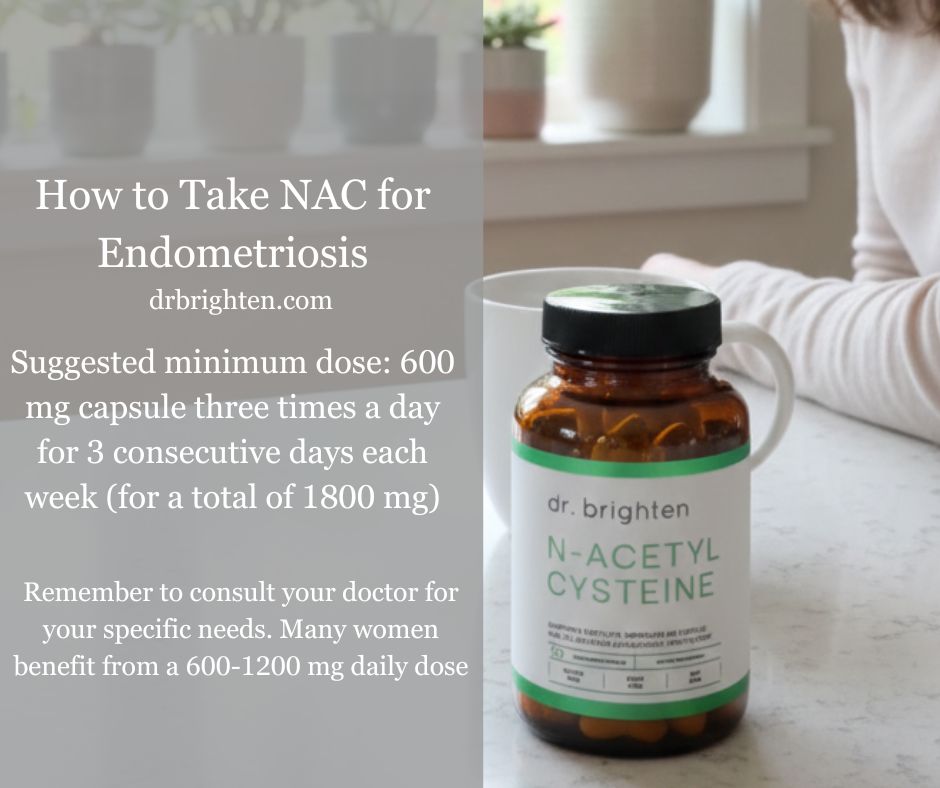
Some research protocols have used NAC cyclically (such as several days per week), while others use daily dosing. The best approach can vary based on symptoms, tolerance, and whether endometriomas or fertility concerns are present. If you are taking medications or preparing for surgery, it’s best to review NAC use with your healthcare provider.
NAC dosages per the research are typically 600 mg taken 3 times daily for 3 days out of the week.
You can see the NAC Dr. Brighten takes and recommends here.
Some supplements—particularly NAC—have been studied for their potential to reduce the size of ovarian endometriomas. Research suggests this may be related to reduced oxidative stress, inflammation, and abnormal tissue signaling. However, supplements do not eliminate endometriosis lesions entirely and should not be viewed as a replacement for medical or surgical care when those are indicated.
Magnesium glycinate is often preferred for endometriosis because it is well absorbed and less likely to cause digestive upset. Magnesium supports muscle relaxation, nervous system regulation, pain modulation, and sleep—all of which are commonly disrupted in people with endometriosis. It may be especially helpful for cramping, pelvic tension, headaches, anxiety, and poor sleep.
Yes. Omega-3 fatty acids help shift inflammatory prostaglandins and reduce inflammatory signaling associated with endometriosis pain and cramping. They may also support mood and cognitive symptoms that often accompany chronic inflammatory conditions. Omega-3s are commonly considered part of a foundational supplement strategy for endometriosis.
Probiotics may help support estrogen clearance through the gut by influencing the estrobolome, a group of gut bacteria involved in estrogen metabolism. They can also support gut barrier integrity and immune balance. This may improve bloating, digestive discomfort, and inflammation commonly associated with endometriosis.
No. A layered, gradual approach is generally best. Starting with foundational supplements and then adding targeted support based on dominant symptoms allows you to assess tolerance and effectiveness while avoiding unnecessary overwhelm or side effects.
Physician-formulated supplements are often preferred for endometriosis because they are designed with condition-specific dosing, bioavailable forms, and rigorous quality standards in mind. Endometriosis involves chronic inflammation and immune dysregulation, making purity, potency, and third-party testing especially important.
No. Supplements are best used as supportive tools, not replacements for medical care. Endometriosis often requires a multifaceted approach that may include medical management, lifestyle changes, physical therapy, or surgery. Supplements can help improve quality of life and symptom control when integrated thoughtfully into a broader treatment plan.
Some people notice improvements in pain, bloating, or sleep within a few weeks, while other benefits—such as reduced inflammation or hormonal improvements—may take several months of consistent use. Endometriosis is a chronic condition, and supplements work best as part of a long-term strategy rather than a quick fix.
Key Takeaways on the Best Endometriosis Supplements
There’s no single “magic pill” for endometriosis, but there are supplements for endometriosis that can offer meaningful support for many people managing this condition.
When chosen thoughtfully, the right supplements can help lower inflammation, support estrogen metabolism, improve gut and immune health, and reduce pain signaling, all of which play a role in endometriosis symptoms.
- For example, magnesium (such as Magnesium Plus) is a useful supplement for endometriosis fatigue, pain, and cramping, PMS, and sleep disruption, especially when nervous system tension and muscle tightness are part of the picture.
- NAC supports glutathione production, helping to reduce oxidative stress, calm inflammation, and assist with estrogen detoxification.
- Omega-3 fatty acids like Omega Plus can help counter inflammatory prostaglandins involved in pain and cramping, while Balance Women's Hormone Support helps with estrogen metabolism, and Adrenal Support can boost resilience.
- Turmeric is a powerful anti-inflammatory that helps downregulate inflammatory pathways and support immune regulation, while probiotics like Women's Probiotic support estrogen metabolism in the gut.
References
- https://pmc.ncbi.nlm.nih.gov/articles/PMC11959439/ ↩︎
- https://pmc.ncbi.nlm.nih.gov/articles/PMC10048621 ↩︎
- https://pubmed.ncbi.nlm.nih.gov/36981595/ ↩︎
- https://pubmed.ncbi.nlm.nih.gov/40273491/ ↩︎
- https://pubmed.ncbi.nlm.nih.gov/37768015/ ↩︎
- https://pmc.ncbi.nlm.nih.gov/articles/PMC7177778/ ↩︎
- https://pmc.ncbi.nlm.nih.gov/articles/PMC3941414/ ↩︎
- https://pmc.ncbi.nlm.nih.gov/articles/PMC11335488/ ↩︎
- https://pmc.ncbi.nlm.nih.gov/articles/PMC8972862/ ↩︎
- https://pubmed.ncbi.nlm.nih.gov/41082090/ ↩︎
- https://pubmed.ncbi.nlm.nih.gov/38139822/ ↩︎
- https://pmc.ncbi.nlm.nih.gov/articles/PMC10747908/ ↩︎
- https://pmc.ncbi.nlm.nih.gov/articles/PMC11589980/ ↩︎
- https://pmc.ncbi.nlm.nih.gov/articles/PMC10227355/ ↩︎
- https://pmc.ncbi.nlm.nih.gov/articles/PMC3916184/ ↩︎
- https://academic.oup.com/humupd/article/27/2/367/5943557?login=false ↩︎
- https://pubmed.ncbi.nlm.nih.gov/37832082/ ↩︎
About The Author