
When most people think about healthy fats, they jump straight to omega-3 fatty acids. But there’s another group of fats that supports your heart, hormones, and metabolism too: omega-9 fatty acids.
Omega-9s, especially oleic acid, are among the most abundant fats in your diet, especially if you cook with olive or avocado oil. They belong to the family of monounsaturated fats, which are strongly linked to heart health and metabolic benefits, and may be especially beneficial for women in perimenopause and menopause (who are more susceptible to cardiovascular disease).
In this article, we'll explain omega-9 benefits for people of all ages, where to find them (hint: in heart-healthy foods!), how they compare to omega-3 and omega-6, and what women in midlife should know about omega-9 and menopause.
TL;DR: Omega-9 Benefits for Women in Midlife
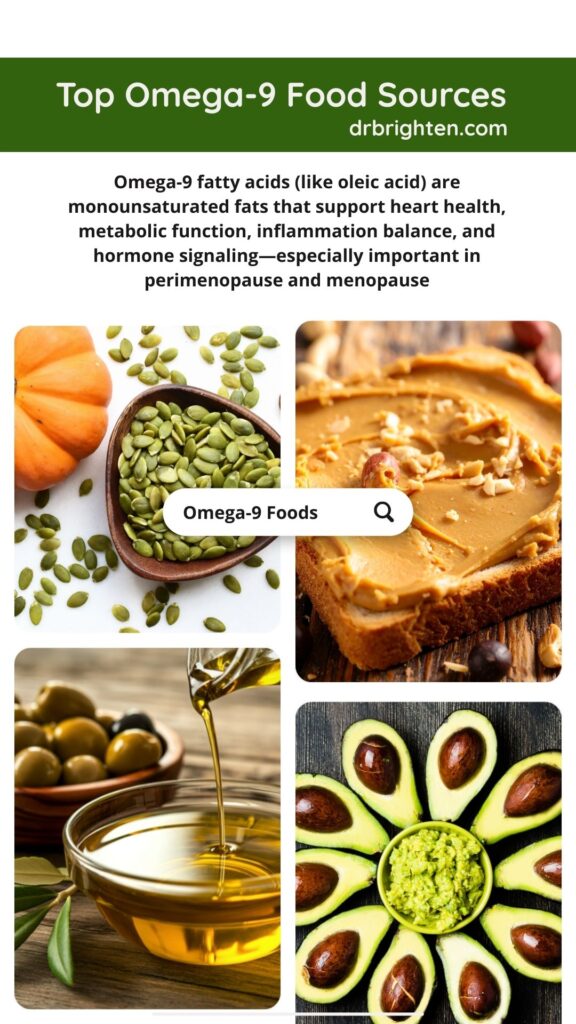
- Omega-9 fatty acids (like oleic acid) are monounsaturated fats that support heart health, metabolic function, inflammation balance, and hormone signaling—especially important in perimenopause and menopause.
- Omega-9s are best obtained from food, particularly olive oil, avocados, nuts, and seeds, and are most beneficial when they replace refined carbohydrates and processed fats.
- While omega-9s support structural and metabolic health, they do not replace omega-3 fatty acids (EPA and DHA), which are essential and commonly under-consumed.
- Omega-3s are critical in midlife for reducing inflammation, supporting brain and nervous system health, improving triglycerides, and supporting mood, sleep, and cognition during hormonal transitions.
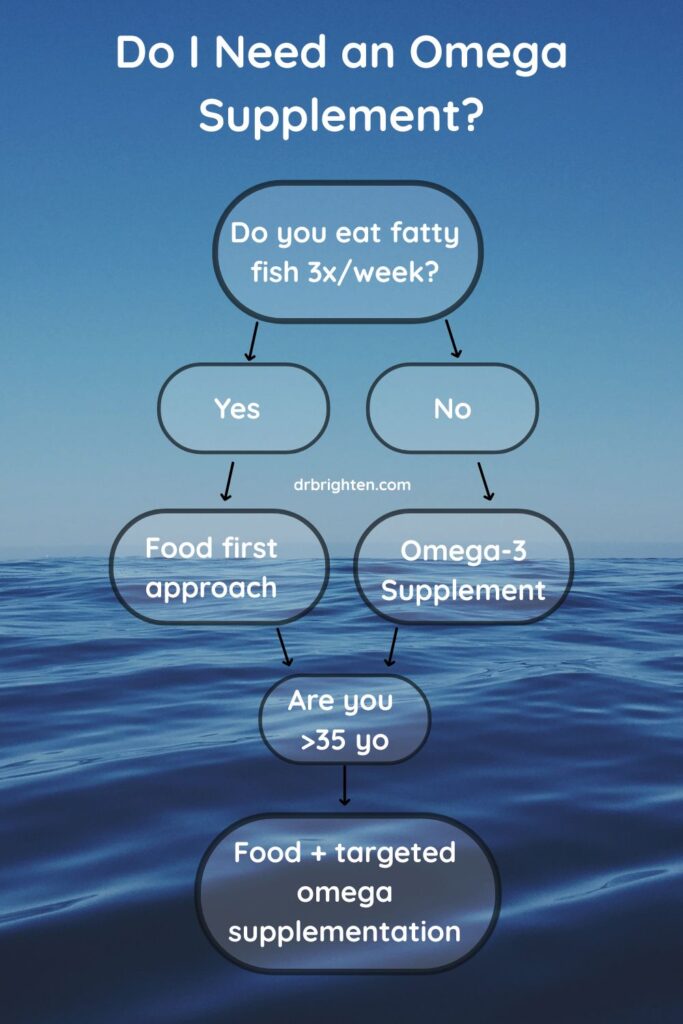
- Many women—especially those who don’t eat fatty fish regularly—are unlikely to meet omega-3 needs through food alone, making supplementation appropriate.
- A comprehensive omega approach that prioritizes omega-3s while also supporting cell membranes with omega-9 and omega-11 can offer broader cardiovascular, metabolic, brain, and hormone support.
- For women who need additional omega-3 support, a supplement like Omega Plus provides EPA and DHA alongside omega-9 and omega-11—complementing a whole-food diet rich in olive oil, avocados, nuts, and seeds.
In this article:
- TL;DR: Omega-9 Benefits for Women in Midlife
- What Are Omega-9 Fatty Acids?
- How Omega-9 Fits with Omega-3 (and Why Most Women Still Need Omega-3 Support)
- Omega-9 Benefits at a Glance
- Omega-9 Benefits for Heart Health, Cholesterol, and Blood Pressure
- Omega-9 Benefits for Women in Menopause
- Omega-9 vs. Omega-3 and Omega-6: Do You Need All Three?
- Omega-9 Supplements vs. Foods
- When Food Alone May Not Be Enough: When Omega Supplementation Makes Sense
- Omega-9 Safety and Upper Intake
- Final Thoughts on Omega-9 Benefits for Heart Health, Menopause, and More
- Frequently Asked Questions About Omega-9, Omega-3, and Omega-11
What Are Omega-9 Fatty Acids?
Omega-9 fatty acids are monounsaturated fats—most notably oleic acid—that support heart health, metabolic function, hormone signaling, and inflammation balance. While omega-9s are not essential fats (the body can make small amounts), diets rich in omega-9 foods like olive oil and avocados are consistently associated with better cardiovascular and metabolic health, especially in midlife women.
Unlike omega-3 and omega-6 fats, which are “essential” and must come from food, your body can technically make some omega-9s on its own. But still, that doesn't mean they are unimportant or that you don't need to seek them out in healthy foods.
The most well-known omega-9 is oleic acid, which is abundant in olive oil, avocado oil, many nuts and seeds, and even in your own body fat.
So, is omega-9 good for you? Research suggests that omega-9 benefits for heart health, metabolic balance, and hormone support are substantial, including for both men and women in midlife and beyond.
This healthy fat is especially beneficial when you regularly eat foods high in omega-9 fatty acids (such as olive oil) instead of refined seed oils, sugars, and trans fats.
How Omega-9 Fits with Omega-3 (and Why Most Women Still Need Omega-3 Support)
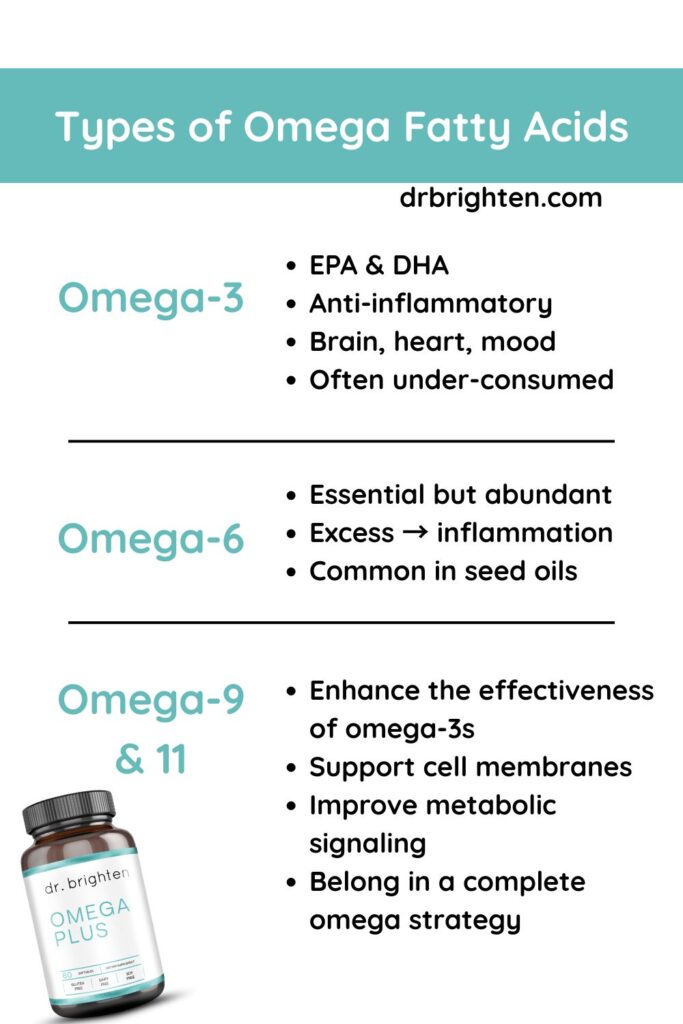
While omega-9 fatty acids play an important role in heart, metabolic, and hormone health, they do not replace omega-3 fatty acids like EPA and DHA. Each type of fat supports the body in a distinct but complementary way.
Omega-3 fatty acids (EPA and DHA) are essential fats that the body cannot make on its own. They are particularly important in perimenopause and menopause because they:
- Actively reduce inflammation
- Support brain and nervous system health
- Help balance triglycerides and cardiovascular risk
- Support mood, sleep, and cognitive function during hormonal transitions
Omega-9 fatty acids, on the other hand, are monounsaturated fats that support cell membrane fluidity, metabolic health, and hormone signaling. They are most effective when they replace refined carbohydrates and processed fats, and they are readily available from foods like olive oil, avocados, nuts, and seeds.
Omega-11 (vaccenic acid)—a lesser-known monounsaturated fat—also plays a role in metabolic and cardiovascular health and may support healthier lipid metabolism when consumed as part of a balanced fat profile.
This is why many women benefit from a combined approach: prioritizing omega-3 intake to meet essential needs, while also supporting structural and metabolic health with omega-9 and omega-11.
For women who don’t eat fatty fish regularly, a high-quality supplement like Omega Plus can help provide consistent EPA and DHA intake alongside omega-9 and omega-11, offering a more comprehensive fatty-acid profile—while still emphasizing whole-food sources like olive oil, avocado, nuts, and seeds as foundational parts of the diet.
Omega-9 Benefits at a Glance
You can think of omega-9s as structural and signaling fats1. They are built into your cell membranes, the protective, semi-permeable boundary that separates the inside of the cell from the outside and controls what can enter, exit, and communicate with the cell.
Therefore, omega-9s can help regulate how flexible those membranes are, and this influences how cells respond to insulin, inflammatory signals, and hormones.
We know from studies that the benefits of omega-9 fatty acids can include improvements in:
- Heart health, such as healthier blood pressure, cholesterol, and triglycerides
- Inflammation2, which is tied to chronic disease risk
- Metabolism/metabolic health, including insulin sensitivity and body composition
- Oxidative stress levels and antioxidant status
- Hormonal health, which is particularly relevant for women in perimenopause and menopause
- Bone health3
- Neurological health
- Cancer-fighting effects4
- Wound healing and skin health
Related: Best Fats for Hormones
Omega-9 Benefits for Heart Health, Cholesterol, and Blood Pressure
Cardiovascular risk increases for many women after menopause. In fact, heart disease is the number one cause of death5 for women, men, and people of most racial and ethnic groups.
Estrogen has natural protective effects on blood vessels, cholesterol, and blood pressure, which is one reason heart disease risk rises in the years following a woman's last period (when she is officially in menopause and then post-menopausal). This is where heart health and omega-9s become especially important.
For women who need additional support, a comprehensive omega supplement such as Omega Plus, which contains omega-3 fatty acids (EPA and DHA) alongside omega-9 and omega-11, aligns with this approach by supporting inflammation balance, cardiovascular health, brain function, and metabolic resilience—areas that often become more vulnerable in midlife.
MUFAs and Cardiovascular Risk:
Studies show that diets rich in omega-9-containing monounsaturated fats (especially oleic acid) are associated with:
- More favorable HDL and LDL cholesterol (often higher HDL and more stable LDL)
- Lower triglycerides compared to diets high in refined carbs or trans fats
- Better blood pressure on average
- Improved endothelial function, meaning healthier, more flexible blood vessels
Omega-9 and Cholesterol:
Omega-9s for cholesterol management can be especially helpful for women who notice cholesterol changes postmenopause. Replacing refined carbohydrates and saturated fats from processed foods with omega-9 dietary sources (such as olive oil) can help support:
- Lower total and LDL cholesterol
- Favorable HDL levels
- A more favorable LDL particle profile
Omega-9, Inflammation, and Metabolism:
Chronic inflammation is a major driver of many conditions that show up more frequently in midlife, including metabolic syndrome, joint pain, and cardiovascular disease.
There's evidence that omega-9s and inflammation are closely linked—with omega-9-rich diets typically being associated with lower inflammatory markers compared to diets that are high in refined omega-6s (such as from seed oils and processed foods).
This is particularly relevant to inflammation and menopause, because declining estrogen shifts how your immune system behaves and can increase overall inflammatory tone.
Choosing plant-based fats with omega-9, such as olive oil and avocado oil, can gently support inflammation modulation with omega-9. This makes omega-9s important fats for PCOS, too, which is linked to increased inflammation and often insulin resistance.
Related:
PCOS, Insulin, and Inflammation
Omega-9 and Obesity:
Another area of interest is omega-9 obesity and metabolism. Research suggests that diets rich in omega-9 monounsaturated fats can:
- Support better insulin sensitivity and menopause metabolic health
- Help stabilize blood sugar when used in place of refined carbohydrates
- Influence where your body stores fat and how efficiently you use it for energy
For women struggling with weight changes, including those with insulin resistance or metabolic syndrome, these omega-9 benefits for women can be a meaningful addition to a whole-foods, fiber-rich eating pattern.
Related: Why Hormonal Imbalance Can Make Weight Loss Difficult
Omega-9 Benefits for Women in Menopause
As you can tell, there are plenty of omega-9 benefits for women in perimenopause and menopause:
Heart Health in Menopause:
During menopause, shifting hormones—especially lower estrogen and higher androgens—can disrupt lipid metabolism, increasing abdominal fat, inflammation, oxidative stress, and risks for insulin resistance and cardiovascular disease.
Based on research findings6, targeted nutrition, including vitamin D, omega-3 fatty acids, antioxidants, and phytochemicals from whole foods, can help support healthier lipid balance and metabolic function in postmenopausal women.
Olive oil-rich dietary patterns have consistently been linked with lower cardiovascular events, which is key when estrogen no longer provides the same vascular protection it once did.
Omega-9 Fatty Acids and Hormones:
Healthy fats are crucial for hormone production, cell membrane fluidity, and signaling. Omega-9 fatty acids and hormones work together to:
- Support hormone receptor function
- Influence how responsive cells are to insulin and cortisol
- Help maintain healthy cell membranes in the ovaries, adrenal glands, brain, and bones
While omega-9 and menopause will not replace hormone therapy when it is needed, they can provide a foundational level of support for hormone and metabolic resilience.
Related:
What's the Best Supplement for Estrogen?
Supplements for Menopause Belly Fat
Oleic Acid and Menopausal Health:
Oleic acid and menopausal health is a growing area of interest. Oleic acid may help with:
- Supporting healthy cholesterol and blood pressure
- Influencing appetite and satiety signals
- Encouraging more stable blood sugar and mood
This is why olive oil omega-9 and menopause, as well as avocado oil omega-9 and hormones, fit beautifully into a hormone-supportive nutrition plan.

Neurological Health:
Neurodegenerative diseases involve the progressive loss of neurons, and healthy brain function depends heavily on various fatty acids that form key structures in nerve tissue.
While erucic acid (an omega-9 fatty acid) can cause heart and liver issues when consumed in very high amounts, healthy levels are used therapeutically to support cognitive function7 and influence enzymes and cellular receptors involved in neuroprotection.
Related: Connection Between Brain Health and Hormone Balance
Bone Health:
We often focus only on calcium and vitamin D for bones, but bone health in menopause is also influenced by fatty acids, including MUFAS like omega-9s. Studies show that healthy fats help reduce inflammation8 that can negatively impact bone turnover and support the absorption of fat-soluble nutrients that are involved in bone metabolism.
In one study9, researchers compared how different dietary fats—including saturated fats, omega-6 polyunsaturated fats, and omega-9 monounsaturated fats—affected bone structure and resilience over eight weeks. Mice fed a high-saturated-fat diet showed classic signs of osteoporosis, including weaker bone quality.
But the most surprising finding was that a diet rich in omega-9 fats produced the strongest overall bone response. These mice had healthier bone mechanics, fewer microcracks, stronger stress tolerance, and improvements in trabecular structure compared to both the control group and those fed high omega-6 or saturated fats.
Related:
Best Menopausal Supplements According to a Hormone Expert
What Is the Best Multivitamin for Women Over 50?
Mood, and Sleep:
Additionally, research on sleep and mood and omega-9 intake shows that diets higher in whole-food monounsaturated fats (and lower in ultra-processed foods) tend to be linked with more stable mood and better sleep quality.
For women dealing with mood shifts and insomnia (which is very common in perimenopause/menopause), omega-9 support can be a helpful piece of the puzzle.
Related: Anxiety and Supplements: What Really Works for Stress, Mood, and Sleep
Omega-9 vs. Omega-3 and Omega-6: Do You Need All Three?
So how do omega-9 vs. omega-3s and omega-6s all fit together?
Omega-3s (like EPA and DHA) are strongly anti-inflammatory and essential for brain, heart, and joint health.
Omega-6s are also essential, but when consumed in excess from processed seed oils, they can tilt the body toward more inflammation.
Omega-9s are not “essential,” but they are still very supportive, especially when they replace processed fats and refined carbohydrates10.
The key with all of these fatty acids is balance. Most people already get plenty of omega-6 (which are found in high amounts of refined vegetable oils and packaged foods), so the goal is to:
- Prioritize omega-3s (from fatty fish, algae, and some seeds)
- Reduce ultra-processed foods and industrial seed oils
- Emphasize omega-9 foods from olive oil, avocado, nuts, and seeds
Are “Triple Omega 3-6-9” Supplements the Best Option?
Unlike many 3-6-9 supplements that add unnecessary omega-6 fats, formulations that emphasize omega-3s while pairing them with omega-9 and omega-11—without excess omega-6—are better aligned with modern dietary needs.
Are There Omega-3 6 9 Benefits for Weight Loss?
Replacing refined carbohydrates and processed fats with healthy omega-9-rich foods like olive oil and omega-3 foods like fish can help improve satiety, blood sugar control, and metabolic flexibility. All of these effects can potentially help you maintain a healthier weight.
What About Skin Health?
Similarly, omega-3-6-9 benefits for skin are linked to improved barrier function, hydration, and reduced inflammation when these fats come from whole-food sources rather than ultra-processed oils.
Top Omega-9 Dietary Sources
Unlike with omega-3s, which most people can benefit from supplementing with, you don't need a special product to reap these omega-9 benefits. Many of the most hormone-supportive, cardiometabolic-friendly foods are naturally rich in these fats:
Olive Oil:
Extra-virgin olive oil is one of the best-known omega-9 sources, not to mention it's rich in protective polyphenols. It's especially concentrated with oleic acid11 and also packed with antioxidants that further support cardiovascular, brain, and immune health. It's a cornerstone of Mediterranean-style diets associated with longevity and lower cardiovascular risk.
Related: Foods High in Polyphenols: Polyphenol-Rich Foods List, Health Benefits, and Best Sources
Avocado and Avocado Oil:
Avocados and avocado oil have omega-9s and a mix of monounsaturated fats, fiber, potassium, and antioxidants. Avocado oil contains about 70% oleic acid, which is similar to olive oil.
The combination of nutrients in avocado is helpful for blood sugar regulation and satiety, which is important for women who are dealing with issues like weight gain, cravings, and energy dips.
Nuts and Seeds:
Many nuts and seeds with omega-9 (like almonds, hazelnuts, macadamia nuts, and sunflower seeds) contribute healthy fats, protein, fiber, and minerals. Including a small handful daily can help support heart health, blood sugar balance, and hormone production.
Other Food Sources High in Omega-9:
- Sesame oil
- Flaxseed oil
- Pumpkin oil
- Rapeseed oil
- Olives and olive tapenade
- Peanut butter and peanuts
- Certain animal fats (especially from animals raised on pasture)
Related:
What's the Best Diet for Perimenopause?
The Best and Worst Breakfast Foods for Hormone Health
Cooking with Omega-9 Fats and Oxidative Stability:
Another advantage of omega-9 is its “oxidative stability.” Fats rich in omega-9 tend to be more stable at moderate cooking temperatures than highly polyunsaturated seed oils.
Cooking with omega-9 fats like olive oil and avocado oil:
- Can reduce exposure to harmful oxidation byproducts
- Adds flavor and satiety to meals
- Encourages you to choose whole, home-cooked foods over processed options
For higher-heat cooking, avocado oil or a refined olive oil can be a good choice, while extra-virgin olive oil is ideal for low-to-medium heat, salad dressings, and drizzling over cooked dishes.
Omega-9 Supplements vs. Foods
You may see omega-9 supplements vs foods debated online. The reality is that most people can get more than enough omega-9 from food if they include:
- Olive oil and avocado oil regularly
- Nuts and seeds daily or several times per week
- A generally whole-food, minimally processed dietary pattern
While there are omega-9 supplements, they are rarely necessary on their own.
If you do take a mixed omega-3-6-9 supplement, I typically recommend focusing first on omega-3 intake from a high-quality supplement (such as Omega Plus), then using food as your primary omega-9 source.
When Food Alone May Not Be Enough: When Omega Supplementation Makes Sense
A diet rich in omega-9 fatty acids from foods like olive oil, avocados, nuts, and seeds provides important support for heart, metabolic, and hormone health. However, there are times when food alone may not meet the body’s full fatty-acid needs—especially for omega-3s.
Omega-3 fatty acids (EPA and DHA) are essential fats that the body cannot produce on its own, and research consistently shows that many adults—particularly women—consume far less than optimal amounts. This gap becomes more relevant during perimenopause and menopause, when inflammatory demand increases and cardiovascular, metabolic, brain, and mood support needs often rise.
You may benefit from omega supplementation if you:
- Rarely eat fatty fish such as salmon, sardines, or mackerel
- Are navigating perimenopause or menopause
- Have elevated triglycerides or changing cholesterol levels
- Experience joint discomfort, chronic inflammation, or metabolic challenges
- Are supporting brain health, mood stability, or sleep during hormonal transitions
In these situations, supplementation is not a replacement for a healthy diet—it’s a targeted way to fill a physiological gap.For women who need additional support, a comprehensive omega supplement such as Omega Plus, which provides omega-3 fatty acids (EPA and DHA) alongside omega-9 and omega-11, can help support inflammation balance, cardiovascular health, brain function, and metabolic resilience—while omega-9-rich foods remain a foundational part of daily nutrition.
Omega-9 Safety and Upper Intake
How much omega-9 do you need each day?
There is no specific daily reference intake just for omega-9, but most adults do well when monounsaturated fats provide a meaningful portion of their daily fat intake
For most people, especially when coming from food, omega-9 safety is not a major concern. The key is overall balance and calorie awareness, particularly if you are working on weight management.
As long as omega-9-rich foods are part of a balanced diet and not layered on top of a highly processed pattern, they are generally very well tolerated. If you are using high-dose fat supplements or have complex health conditions (such as advanced liver or gallbladder disease), talk with your clinician about what is appropriate for you.
Final Thoughts on Omega-9 Benefits for Heart Health, Menopause, and More
- Omega-9 benefits extend across nearly every system of the body—from cardiovascular function to metabolic health, hormonal balance, and healthy aging.
- As you age, it's important to take steps to support heart health, stabilize inflammation, and improve cholesterol and triglycerides, which you can do by adding olive oil, avocados, nuts, and seeds to your daily diet.
- Omega-9 fatty acids also support hormone and metabolic health, and they can help ease some of the top concerns women face during perimenopause and menopause.
- Omega-9 fats are best obtained from whole foods like olive oil and avocados, while omega-3 fatty acids (EPA and DHA) are commonly under-consumed and often require supplementation.
- For women in midlife, a comprehensive omega approach that emphasizes omega-3s while also supporting cell membranes with omega-9 and omega-11 can help support heart, brain, metabolic, and hormone health.
Frequently Asked Questions About Omega-9, Omega-3, and Omega-11
Omega-9 fatty acids are monounsaturated fats, most notably oleic acid, that support heart health, metabolic function, inflammation balance, and hormone signaling. Unlike omega-3 and omega-6 fats, omega-9s are not considered essential because the body can produce small amounts on its own. However, diets rich in omega-9 fats—such as those containing olive oil, avocados, nuts, and seeds—are consistently associated with better cardiovascular and metabolic health.
Omega-3, omega-6, and omega-9 fatty acids serve different roles in the body:
– Omega-3s (EPA and DHA) are essential fats that reduce inflammation, support brain and nervous system health, improve triglyceride levels, and support mood and cognition.
– Omega-6s are also essential but are already abundant in modern diets, especially from refined seed oils. Excess omega-6 intake may contribute to inflammation when not balanced with omega-3s.
– Omega-9s are monounsaturated fats that support cell membrane structure, metabolic health, and hormone signaling, especially when they replace refined carbohydrates and processed fats.
The goal is balance—most people benefit from prioritizing omega-3 intake, moderating omega-6 exposure, and emphasizing omega-9 fats from whole foods.
Omega-11 refers primarily to vaccenic acid, a monounsaturated fatty acid that supports metabolic and cardiovascular health. Omega-11 may influence lipid metabolism and insulin sensitivity and is often included alongside omega-9 in comprehensive fat profiles to support structural and metabolic functions of cells.
Yes. Omega-9 fatty acids can be particularly supportive during perimenopause and menopause, when declining estrogen affects cholesterol metabolism, inflammation, insulin sensitivity, and cardiovascular risk. Omega-9 fats support heart health, metabolic resilience, and hormone signaling by improving cell membrane fluidity and reducing reliance on refined carbohydrates and processed fats.
Research shows that diets rich in omega-9 monounsaturated fats—especially from olive oil—are associated with:
– Lower LDL cholesterol
– Higher or more favorable HDL cholesterol
– Improved triglyceride levels
– Better endothelial (blood vessel) function
These benefits are especially relevant for women who experience cholesterol changes after menopause.
For most people, no. Omega-9 fatty acids are widely available from food sources such as olive oil, avocado oil, nuts, seeds, and olives. Most individuals can meet their omega-9 needs through a whole-food, minimally processed diet.
Omega-9 fats support structural and metabolic health, but they do not replace omega-3 fatty acids, which are essential and cannot be made by the body. Omega-3s—specifically EPA and DHA—play a direct role in reducing inflammation, supporting brain health, regulating triglycerides, and stabilizing mood and cognition, especially during hormonal transitions like perimenopause and menopause.
Many women consume insufficient omega-3s due to low intake of fatty fish, making omega-3 supplementation beneficial even when omega-9 intake is adequate.
In most cases, omega-3-only or omega-3–focused supplements are preferred. Omega-6 intake is already high in typical diets, and omega-9 fats are readily available from food. Supplementing omega-6 is rarely necessary.
However, formulas that emphasize omega-3s while also including omega-9 and omega-11—without adding excess omega-6—can offer a more balanced fatty acid profile for heart, brain, and metabolic health.
For women who do not eat fatty fish regularly, a comprehensive supplement like Omega Plus can help provide consistent intake of omega-3 fatty acids (EPA and DHA)—which are often lacking—while also supplying omega-9 and omega-11 to support cell membrane structure, metabolic health, and cardiovascular function.
This approach complements a whole-food diet rich in olive oil, avocados, nuts, and seeds rather than replacing it.
Yes. Omega-3 fatty acids have the strongest direct anti-inflammatory effects, while omega-9 fats are associated with lower inflammatory markers when they replace refined carbohydrates and industrial seed oils. Together, they help support a healthier inflammatory balance, which is especially important in midlife when estrogen-related immune regulation declines.
Omega-3s—particularly DHA—are critical for brain structure and neurotransmitter function and have been linked to improved mood, cognitive performance, and sleep quality. Omega-9 and omega-11 support the structural integrity of nerve cell membranes, which can further support neurological resilience as part of a balanced fat intake.
For most people, high-quality omega-3–focused supplements are safe when taken as directed. Omega-9 and omega-11 are generally well tolerated, especially when consumed in physiologic amounts. Individuals with bleeding disorders, gallbladder disease, or who take anticoagulant medications should consult a clinician before starting any fat-based supplement.
The best dietary sources of omega-9 fatty acids include:
– Extra-virgin olive oil
– Avocados and avocado oil
– Olives
– Nuts such as almonds, hazelnuts, and macadamia nuts
– Seeds like sunflower seeds
Using these fats regularly in place of refined carbohydrates and processed oils provides the greatest benefit.
References
- https://pmc.ncbi.nlm.nih.gov/articles/PMC8927560/ ↩︎
- https://pubmed.ncbi.nlm.nih.gov/30538802/ ↩︎
- https://www.mdpi.com/2072-6643/14/15/3165 ↩︎
- https://pmc.ncbi.nlm.nih.gov/articles/PMC8927560/ ↩︎
- https://www.cdc.gov/heart-disease/data-research/facts-stats/index.html ↩︎
- https://pmc.ncbi.nlm.nih.gov/articles/PMC7019719/ ↩︎
- https://pubmed.ncbi.nlm.nih.gov/33054628/ ↩︎
- https://pubmed.ncbi.nlm.nih.gov/30538802/ ↩︎
- https://pmc.ncbi.nlm.nih.gov/articles/PMC9370223/ ↩︎
- https://ific.org/insights/oh-my-omega-the-difference-between-omega-3-6-and-9/ ↩︎
- https://pmc.ncbi.nlm.nih.gov/articles/PMC8927560/ ↩︎
About The Author