

I’m so honored to be a guest on Harder to Kill Radio!
One major highlight of this year’s PaleoFX was my chance meeting with Steph Gaudreau. We hit it off pretty much immediately and I’m so excited for you guys to hear the amazing podcast we recently recorded for Harder to Kill Radio. In this episode, you’ll learn on Harder to Kill Radio with Dr. Jolene Brighten:
- How my personal health struggles were a catalyst for my career in medicine.
- What real expectations look like to feel better and thrive for a lifetime.
- Why I advocate for patient empowerment.
- What the definition of “normal” labs really are.
- Why I’m passionate about women’s health and postpartum care.
- Who I think society is failing when it comes to health care.
- Why I talk about the icky stuff with my patient.
- What you can control with helping your kids eat better.
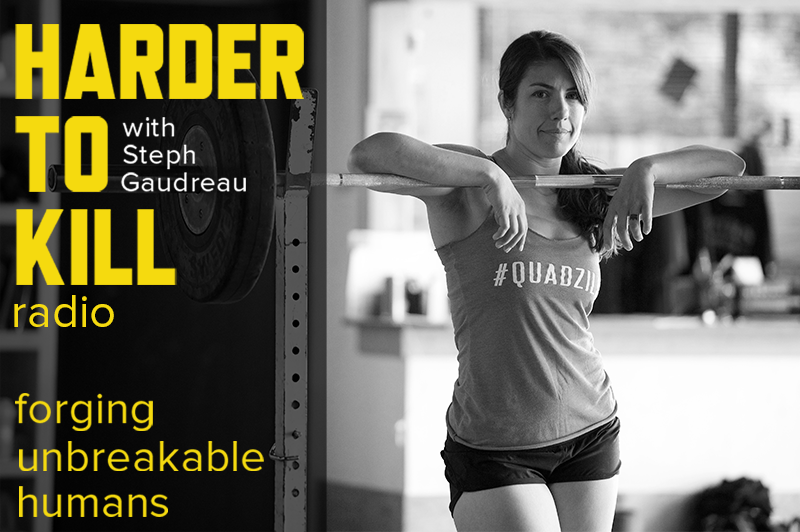 Steph is an author, owner of Stupid Easy Paleo, and the host of the Harder to Kill Podcast. Steph’s goal with this podcast is to find the most fascinating people in health and fitness – people who are dedicating their lives to “building unbreakable humans through nutrition, fitness, and mindset” – and to share their expertise with you!
Again, check us out on episode #3 right here, where we chat about women’s health, postpartum care, and so much more. Let me know what you think in the comments below!
You're in ✦
Check your inbox. Day one is on its way.
Your ADHD Hormone & Brain Sync Guide is heading to your inbox now — look for it from Dr. Brighten in the next few minutes.

New Book · Out October 6, 2026
The full system behind the guide
These five days are the doorway. ADHD and Women is the whole map — the ADHD-Hormone Profile and what to do across every hormonal transition.
Pre-Order ADHD and Women